





Tips on Planning a Successful Corporate Event
Create a timetable
A detailed planning timetable makes task ownership and deadlines visible across the team. It reduces the likelihood of things being missed in the lead-up and gives everyone involved a shared reference point. Build slack into it — last-minute problems are common, and a timetable with no room to absorb them becomes a source of pressure rather than a tool for managing it.
Finalise details
In the final days before the event, confirm arrival times with the venue and all suppliers, test technical equipment, and brief any additional staff. On the day itself, every member of the team should be working from the same schedule, and all speeches should be reviewed and approved in advance so the programme runs as intended.
Start marketing
Marketing should begin well in advance, not in the final weeks. Early communication allows you to build awareness, convey key information and generate anticipation among the people you want to attend. A dedicated event page or website gives guests somewhere to land; regular social media and email updates sustain interest in the lead-up. More traditional channels — printed invitations, posters — remain effective for certain audiences and event types. Allocate a meaningful portion of the budget to this; poor attendance at a well-planned event is a preventable outcome.
Create a timetable
A detailed planning timetable makes task ownership and deadlines visible across the team. It reduces the likelihood of things being missed in the lead-up and gives everyone involved a shared reference point. Build slack into it — last-minute problems are common, and a timetable with no room to absorb them becomes a source of pressure rather than a tool for managing it.
Finalise details
In the final days before the event, confirm arrival times with the venue and all suppliers, test technical equipment, and brief any additional staff. On the day itself, every member of the team should be working from the same schedule, and all speeches should be reviewed and approved in advance so the programme runs as intended.
Organise speakers
Match speakers to the audience rather than selecting on name alone — what resonates at one type of event can fall flat at another. Research who has performed well at similar events before committing. Speeches should be balanced against other forms of engagement: extended one-way presentations lose audience attention quickly, while discussions, Q&As and live polls keep attendees involved. Video content can also be a useful change of pace within the programme.
Start marketing
Marketing should begin well in advance, not in the final weeks. Early communication allows you to build awareness, convey key information and generate anticipation among the people you want to attend. A dedicated event page or website gives guests somewhere to land; regular social media and email updates sustain interest in the lead-up. More traditional channels — printed invitations, posters — remain effective for certain audiences and event types. Allocate a meaningful portion of the budget to this; poor attendance at a well-planned event is a preventable outcome.
Create a timetable
A detailed planning timetable makes task ownership and deadlines visible across the team. It reduces the likelihood of things being missed in the lead-up and gives everyone involved a shared reference point. Build slack into it — last-minute problems are common, and a timetable with no room to absorb them becomes a source of pressure rather than a tool for managing it.
Finalise details
In the final days before the event, confirm arrival times with the venue and all suppliers, test technical equipment, and brief any additional staff. On the day itself, every member of the team should be working from the same schedule, and all speeches should be reviewed and approved in advance so the programme runs as intended.

Organise speakers
Match speakers to the audience rather than selecting on name alone — what resonates at one type of event can fall flat at another. Research who has performed well at similar events before committing. Speeches should be balanced against other forms of engagement: extended one-way presentations lose audience attention quickly, while discussions, Q&As and live polls keep attendees involved. Video content can also be a useful change of pace within the programme.
Start marketing
Marketing should begin well in advance, not in the final weeks. Early communication allows you to build awareness, convey key information and generate anticipation among the people you want to attend. A dedicated event page or website gives guests somewhere to land; regular social media and email updates sustain interest in the lead-up. More traditional channels — printed invitations, posters — remain effective for certain audiences and event types. Allocate a meaningful portion of the budget to this; poor attendance at a well-planned event is a preventable outcome.
Create a timetable
A detailed planning timetable makes task ownership and deadlines visible across the team. It reduces the likelihood of things being missed in the lead-up and gives everyone involved a shared reference point. Build slack into it — last-minute problems are common, and a timetable with no room to absorb them becomes a source of pressure rather than a tool for managing it.
Finalise details
In the final days before the event, confirm arrival times with the venue and all suppliers, test technical equipment, and brief any additional staff. On the day itself, every member of the team should be working from the same schedule, and all speeches should be reviewed and approved in advance so the programme runs as intended.
Book vendors
Many venues offer in-house catering and decoration services or can make recommendations, but sourcing your own vendors gives considerably more control over the result. Event flowers, for example, can reinforce brand values and shape the atmosphere of a space in ways that standard venue décor rarely does. Catering format is worth considering carefully: a buffet arrangement typically encourages more movement and conversation than a seated dinner. Live music or other entertainment can sustain energy during natural lulls in the programme.
Organise speakers
Match speakers to the audience rather than selecting on name alone — what resonates at one type of event can fall flat at another. Research who has performed well at similar events before committing. Speeches should be balanced against other forms of engagement: extended one-way presentations lose audience attention quickly, while discussions, Q&As and live polls keep attendees involved. Video content can also be a useful change of pace within the programme.
Start marketing
Marketing should begin well in advance, not in the final weeks. Early communication allows you to build awareness, convey key information and generate anticipation among the people you want to attend. A dedicated event page or website gives guests somewhere to land; regular social media and email updates sustain interest in the lead-up. More traditional channels — printed invitations, posters — remain effective for certain audiences and event types. Allocate a meaningful portion of the budget to this; poor attendance at a well-planned event is a preventable outcome.
Create a timetable
A detailed planning timetable makes task ownership and deadlines visible across the team. It reduces the likelihood of things being missed in the lead-up and gives everyone involved a shared reference point. Build slack into it — last-minute problems are common, and a timetable with no room to absorb them becomes a source of pressure rather than a tool for managing it.
Finalise details
In the final days before the event, confirm arrival times with the venue and all suppliers, test technical equipment, and brief any additional staff. On the day itself, every member of the team should be working from the same schedule, and all speeches should be reviewed and approved in advance so the programme runs as intended.
Choose a venue
The venue sets the tone of the event more than almost any other single decision. A formal, high-specification space signals authority and scale; a more intimate venue is better suited to events where personal connection matters. Narrow the search by applying the constraints of budget and guest count first, then consider accessibility, availability and logistics. Once you have a shortlist, arrange site visits and request written proposals (RFPs) to compare options on a like-for-like basis.
Book vendors
Many venues offer in-house catering and decoration services or can make recommendations, but sourcing your own vendors gives considerably more control over the result. Event flowers, for example, can reinforce brand values and shape the atmosphere of a space in ways that standard venue décor rarely does. Catering format is worth considering carefully: a buffet arrangement typically encourages more movement and conversation than a seated dinner. Live music or other entertainment can sustain energy during natural lulls in the programme.
Organise speakers
Match speakers to the audience rather than selecting on name alone — what resonates at one type of event can fall flat at another. Research who has performed well at similar events before committing. Speeches should be balanced against other forms of engagement: extended one-way presentations lose audience attention quickly, while discussions, Q&As and live polls keep attendees involved. Video content can also be a useful change of pace within the programme.
Start marketing
Marketing should begin well in advance, not in the final weeks. Early communication allows you to build awareness, convey key information and generate anticipation among the people you want to attend. A dedicated event page or website gives guests somewhere to land; regular social media and email updates sustain interest in the lead-up. More traditional channels — printed invitations, posters — remain effective for certain audiences and event types. Allocate a meaningful portion of the budget to this; poor attendance at a well-planned event is a preventable outcome.
Create a timetable
A detailed planning timetable makes task ownership and deadlines visible across the team. It reduces the likelihood of things being missed in the lead-up and gives everyone involved a shared reference point. Build slack into it — last-minute problems are common, and a timetable with no room to absorb them becomes a source of pressure rather than a tool for managing it.
Finalise details
In the final days before the event, confirm arrival times with the venue and all suppliers, test technical equipment, and brief any additional staff. On the day itself, every member of the team should be working from the same schedule, and all speeches should be reviewed and approved in advance so the programme runs as intended.
Confirm the objective
Every element of a corporate event — venue, format, speakers, guest list — should follow from a clearly defined objective, whether that is a product launch, a client reception, or a brand awareness moment. Establishing this early allows every subsequent decision to be tested against it. The objective also determines who is attending and what they will expect from the event, which in turn shapes the overall approach.
Choose a venue
The venue sets the tone of the event more than almost any other single decision. A formal, high-specification space signals authority and scale; a more intimate venue is better suited to events where personal connection matters. Narrow the search by applying the constraints of budget and guest count first, then consider accessibility, availability and logistics. Once you have a shortlist, arrange site visits and request written proposals (RFPs) to compare options on a like-for-like basis.
Book vendors
Many venues offer in-house catering and decoration services or can make recommendations, but sourcing your own vendors gives considerably more control over the result. Event flowers, for example, can reinforce brand values and shape the atmosphere of a space in ways that standard venue décor rarely does. Catering format is worth considering carefully: a buffet arrangement typically encourages more movement and conversation than a seated dinner. Live music or other entertainment can sustain energy during natural lulls in the programme.
Organise speakers
Match speakers to the audience rather than selecting on name alone — what resonates at one type of event can fall flat at another. Research who has performed well at similar events before committing. Speeches should be balanced against other forms of engagement: extended one-way presentations lose audience attention quickly, while discussions, Q&As and live polls keep attendees involved. Video content can also be a useful change of pace within the programme.
Start marketing
Marketing should begin well in advance, not in the final weeks. Early communication allows you to build awareness, convey key information and generate anticipation among the people you want to attend. A dedicated event page or website gives guests somewhere to land; regular social media and email updates sustain interest in the lead-up. More traditional channels — printed invitations, posters — remain effective for certain audiences and event types. Allocate a meaningful portion of the budget to this; poor attendance at a well-planned event is a preventable outcome.
Create a timetable
A detailed planning timetable makes task ownership and deadlines visible across the team. It reduces the likelihood of things being missed in the lead-up and gives everyone involved a shared reference point. Build slack into it — last-minute problems are common, and a timetable with no room to absorb them becomes a source of pressure rather than a tool for managing it.
Finalise details
In the final days before the event, confirm arrival times with the venue and all suppliers, test technical equipment, and brief any additional staff. On the day itself, every member of the team should be working from the same schedule, and all speeches should be reviewed and approved in advance so the programme runs as intended.
Set a budget
Establishing a total figure before any planning begins makes it easier to allocate spend across the different elements — venue, catering, entertainment, flowers, marketing — and provides a basis for supplier negotiations. Reviewing expenditure from previous events gives a useful baseline and a realistic indication of what things are likely to cost. Build in a contingency for overspend; it is rarely avoidable.
Confirm the objective
Every element of a corporate event — venue, format, speakers, guest list — should follow from a clearly defined objective, whether that is a product launch, a client reception, or a brand awareness moment. Establishing this early allows every subsequent decision to be tested against it. The objective also determines who is attending and what they will expect from the event, which in turn shapes the overall approach.
Choose a venue
The venue sets the tone of the event more than almost any other single decision. A formal, high-specification space signals authority and scale; a more intimate venue is better suited to events where personal connection matters. Narrow the search by applying the constraints of budget and guest count first, then consider accessibility, availability and logistics. Once you have a shortlist, arrange site visits and request written proposals (RFPs) to compare options on a like-for-like basis.
Book vendors
Many venues offer in-house catering and decoration services or can make recommendations, but sourcing your own vendors gives considerably more control over the result. Event flowers, for example, can reinforce brand values and shape the atmosphere of a space in ways that standard venue décor rarely does. Catering format is worth considering carefully: a buffet arrangement typically encourages more movement and conversation than a seated dinner. Live music or other entertainment can sustain energy during natural lulls in the programme.
Organise speakers
Match speakers to the audience rather than selecting on name alone — what resonates at one type of event can fall flat at another. Research who has performed well at similar events before committing. Speeches should be balanced against other forms of engagement: extended one-way presentations lose audience attention quickly, while discussions, Q&As and live polls keep attendees involved. Video content can also be a useful change of pace within the programme.
Start marketing
Marketing should begin well in advance, not in the final weeks. Early communication allows you to build awareness, convey key information and generate anticipation among the people you want to attend. A dedicated event page or website gives guests somewhere to land; regular social media and email updates sustain interest in the lead-up. More traditional channels — printed invitations, posters — remain effective for certain audiences and event types. Allocate a meaningful portion of the budget to this; poor attendance at a well-planned event is a preventable outcome.
Create a timetable
A detailed planning timetable makes task ownership and deadlines visible across the team. It reduces the likelihood of things being missed in the lead-up and gives everyone involved a shared reference point. Build slack into it — last-minute problems are common, and a timetable with no room to absorb them becomes a source of pressure rather than a tool for managing it.
Finalise details
In the final days before the event, confirm arrival times with the venue and all suppliers, test technical equipment, and brief any additional staff. On the day itself, every member of the team should be working from the same schedule, and all speeches should be reviewed and approved in advance so the programme runs as intended.
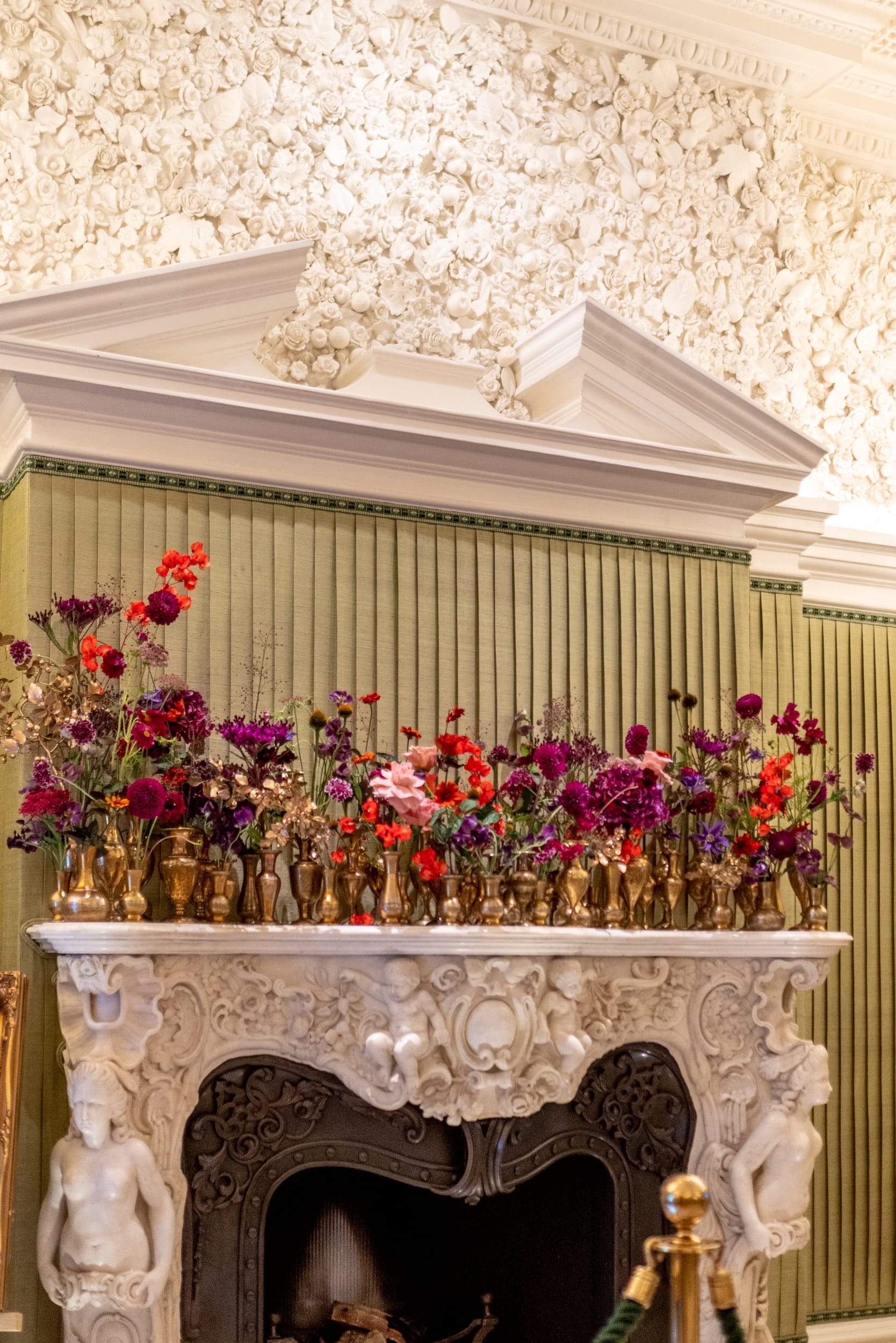
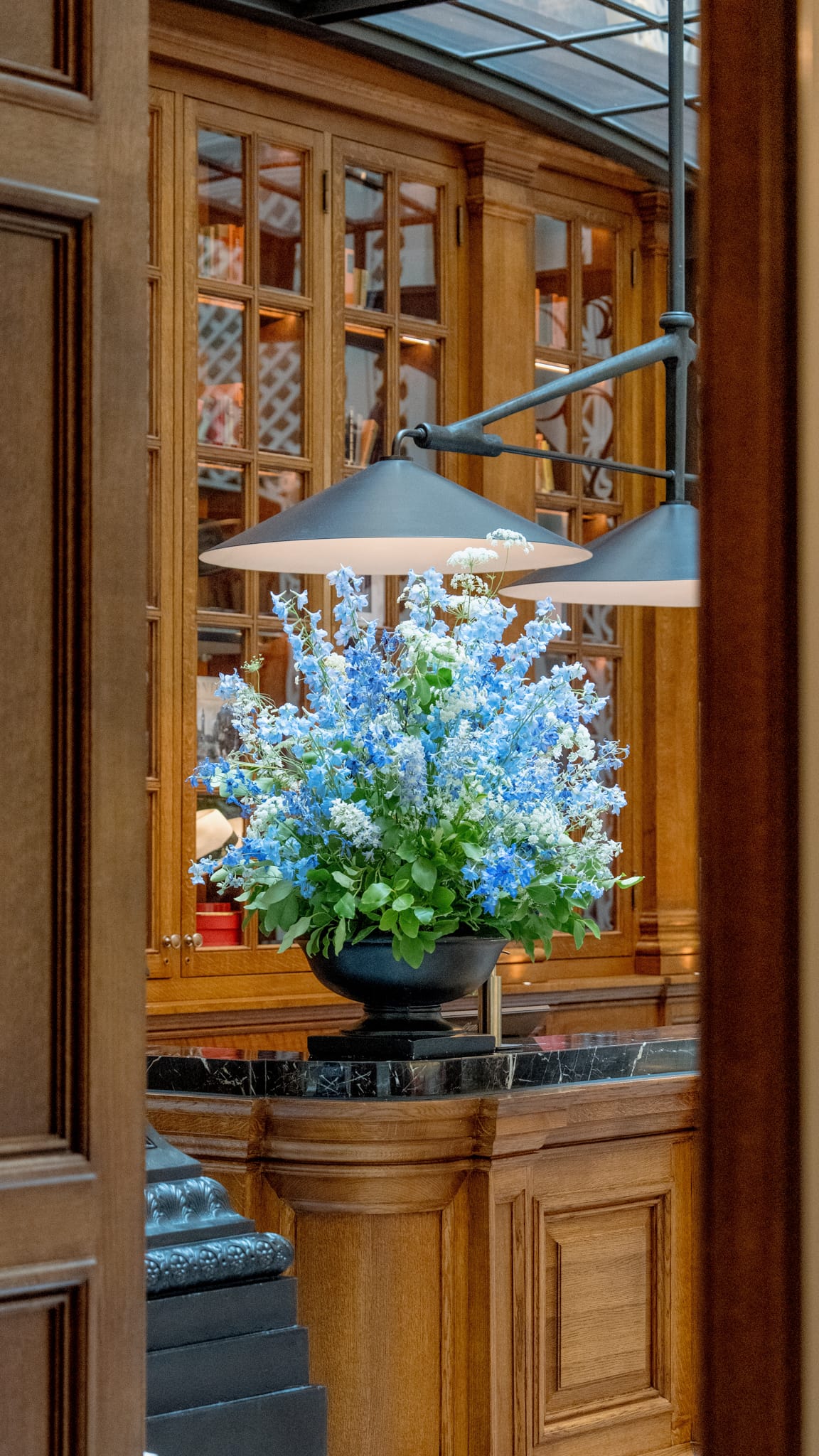
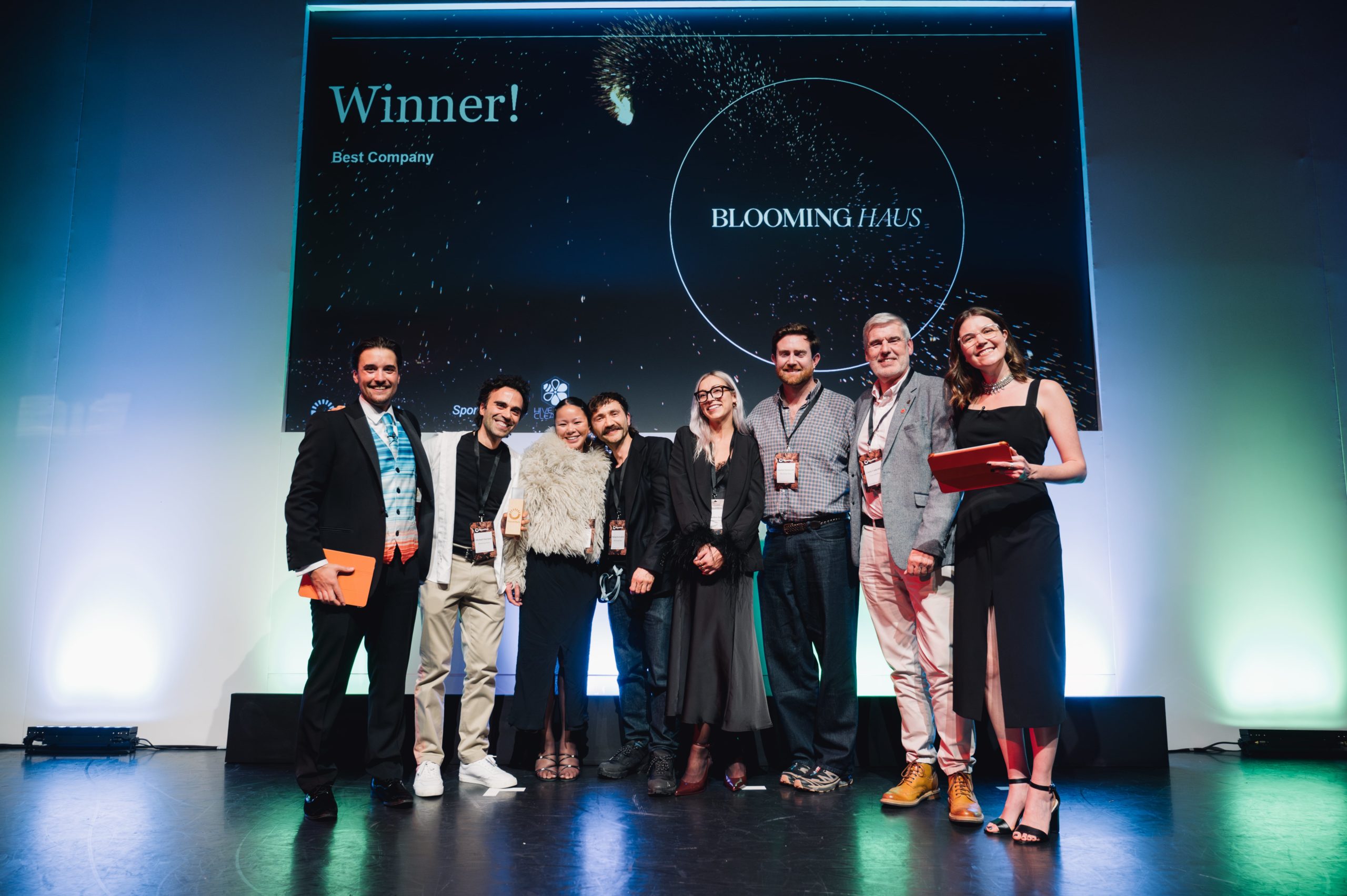
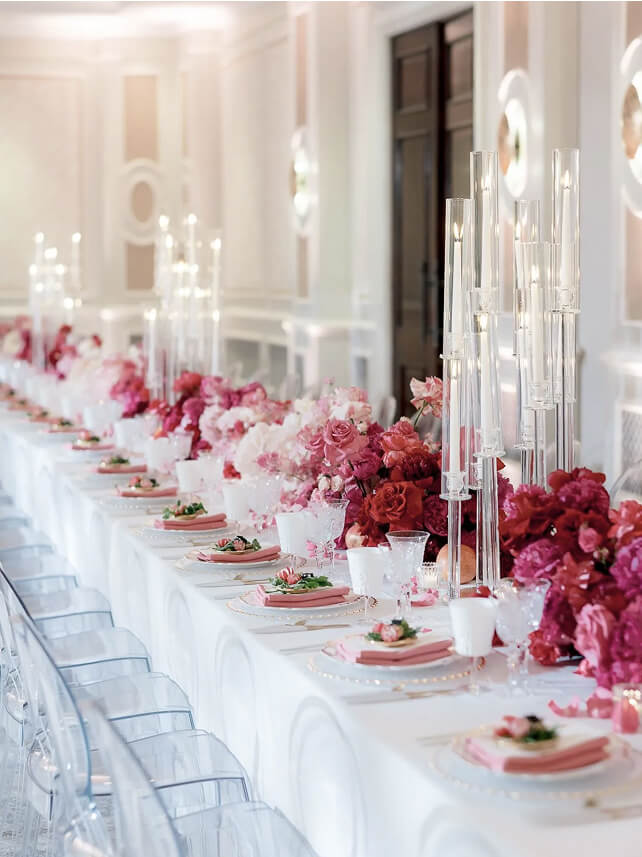
Events occupy a significant place in corporate life, and the standard of presentation matters more than it once did. At Blooming Haus, we have observed brands giving increasing attention to the environment they create for guests, with flowers for corporate events playing a more central role in that. We have created floral arrangements for events with clients including Bulgari, Tatler and The Ivy Club. [Note to editor: client list should be updated to reflect current portfolio including Cartier, British Vogue, Raffles London and Annabel’s.] The decor, however, is only one part of the picture. Below are the key considerations for planning a corporate event that works.
Set a budget
Establishing a total figure before any planning begins makes it easier to allocate spend across the different elements — venue, catering, entertainment, flowers, marketing — and provides a basis for supplier negotiations. Reviewing expenditure from previous events gives a useful baseline and a realistic indication of what things are likely to cost. Build in a contingency for overspend; it is rarely avoidable.
Confirm the objective
Every element of a corporate event — venue, format, speakers, guest list — should follow from a clearly defined objective, whether that is a product launch, a client reception, or a brand awareness moment. Establishing this early allows every subsequent decision to be tested against it. The objective also determines who is attending and what they will expect from the event, which in turn shapes the overall approach.
Choose a venue
The venue sets the tone of the event more than almost any other single decision. A formal, high-specification space signals authority and scale; a more intimate venue is better suited to events where personal connection matters. Narrow the search by applying the constraints of budget and guest count first, then consider accessibility, availability and logistics. Once you have a shortlist, arrange site visits and request written proposals (RFPs) to compare options on a like-for-like basis.
Book vendors
Many venues offer in-house catering and decoration services or can make recommendations, but sourcing your own vendors gives considerably more control over the result. Event flowers, for example, can reinforce brand values and shape the atmosphere of a space in ways that standard venue décor rarely does. Catering format is worth considering carefully: a buffet arrangement typically encourages more movement and conversation than a seated dinner. Live music or other entertainment can sustain energy during natural lulls in the programme.
Organise speakers
Match speakers to the audience rather than selecting on name alone — what resonates at one type of event can fall flat at another. Research who has performed well at similar events before committing. Speeches should be balanced against other forms of engagement: extended one-way presentations lose audience attention quickly, while discussions, Q&As and live polls keep attendees involved. Video content can also be a useful change of pace within the programme.
Start marketing
Marketing should begin well in advance, not in the final weeks. Early communication allows you to build awareness, convey key information and generate anticipation among the people you want to attend. A dedicated event page or website gives guests somewhere to land; regular social media and email updates sustain interest in the lead-up. More traditional channels — printed invitations, posters — remain effective for certain audiences and event types. Allocate a meaningful portion of the budget to this; poor attendance at a well-planned event is a preventable outcome.
Create a timetable
A detailed planning timetable makes task ownership and deadlines visible across the team. It reduces the likelihood of things being missed in the lead-up and gives everyone involved a shared reference point. Build slack into it — last-minute problems are common, and a timetable with no room to absorb them becomes a source of pressure rather than a tool for managing it.
Finalise details
In the final days before the event, confirm arrival times with the venue and all suppliers, test technical equipment, and brief any additional staff. On the day itself, every member of the team should be working from the same schedule, and all speeches should be reviewed and approved in advance so the programme runs as intended.
You may also like: