

11 Best UK Royal Gardens to Explore in 2025
10. Clarence House
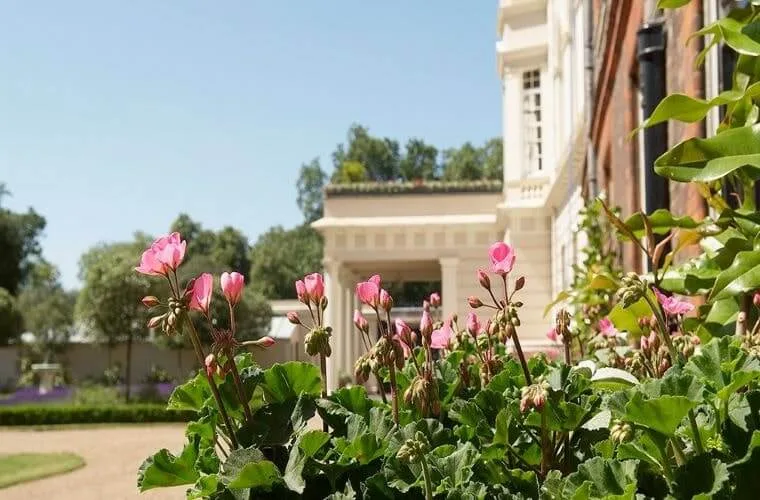
[REPLACE: Add Clarence House body content here.]
Picture Credit: The Royal Collection Trust
11. Palace of Holyroodhouse
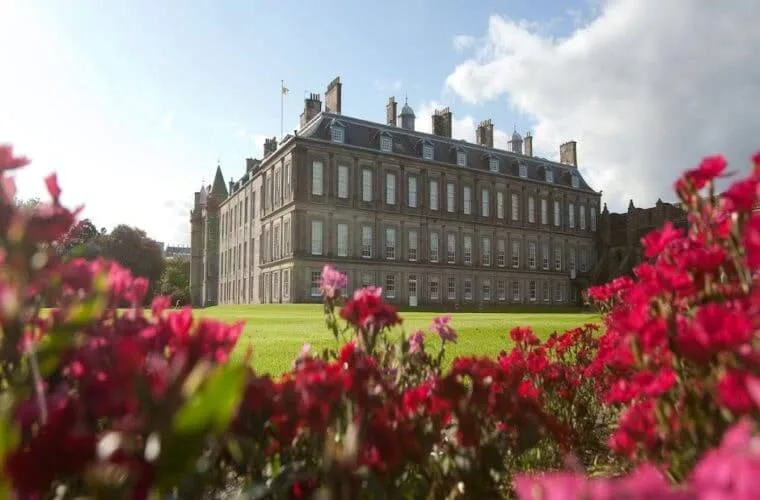
[REPLACE: Add Palace of Holyroodhouse body content here.]
Other Related Journal Entries You May Find Useful
1. Top 20 Wedding Flower Trends
2. Top 10 Best Wedding Suppliers in London
3. Royal Wedding Bouquets Through the Ages
9. Frogmore House
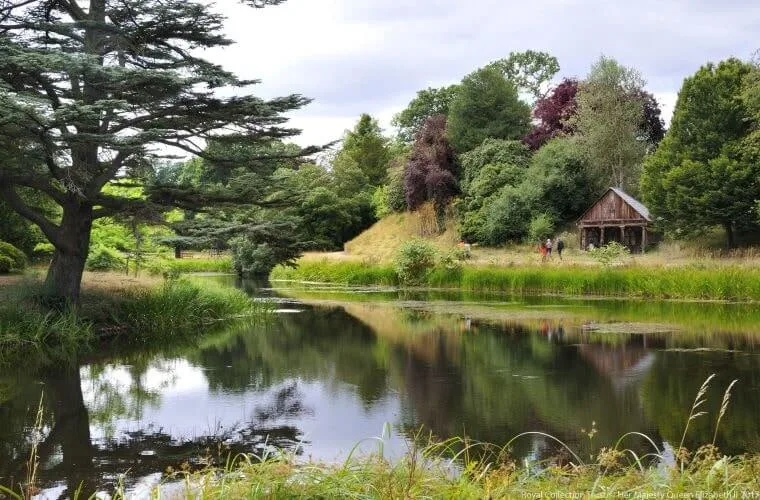
This tranquil green oasis is located close to Frogmore Cottage in the Home Park of Windsor Castle.
Frogmore House gardens were originally laid out in the 18th century.
Visit the Royal Gardens and you encounter picturesque lakes, wooded areas, and glades.
You can also see the teahouse made for Queen Victoria.
The gardens open periodically through the year. Visit the website for current access information.
For more information visit the website.
Frogmore House gardens were originally laid out in the 18th century.
Visit the Royal Gardens and you encounter picturesque lakes, wooded areas, and glades.
You can also see the teahouse made for Queen Victoria.
The gardens open periodically through the year. Visit the website for current access information.
For more information visit the website.
Picture credit: Royal UK
10. Clarence House
[REPLACE: Add Clarence House body content here.]
Picture Credit: The Royal Collection Trust
11. Palace of Holyroodhouse
[REPLACE: Add Palace of Holyroodhouse body content here.]
Other Related Journal Entries You May Find Useful
1. Top 20 Wedding Flower Trends
2. Top 10 Best Wedding Suppliers in London
3. Royal Wedding Bouquets Through the Ages
8. Balmoral Castle
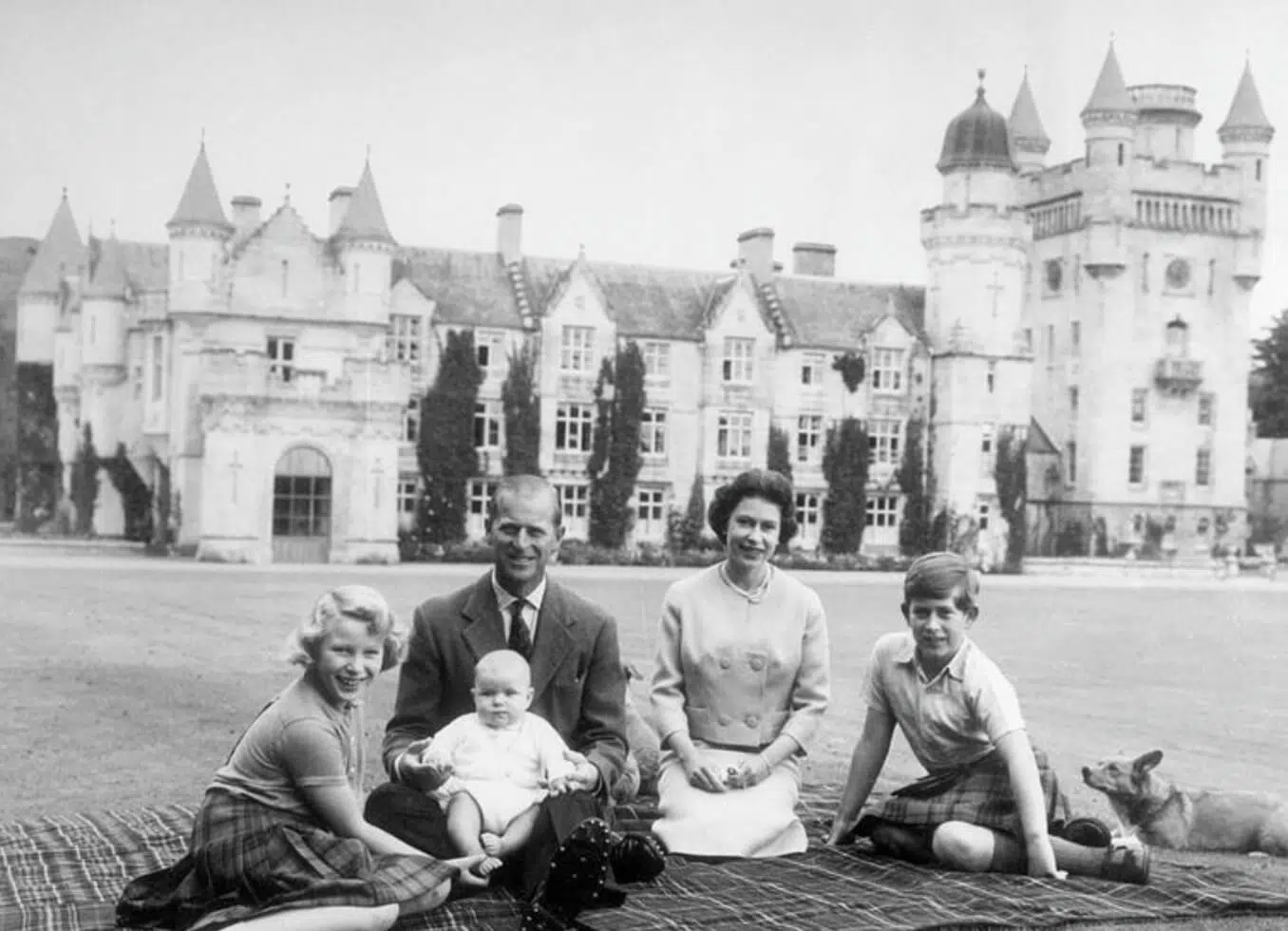
This is another of the Royal Gardens in Scotland worth visiting.
Balmoral serves as the Royal Family’s summer residence, and the grounds reflect that heritage with care.
One of the most notable areas is the formal gardens.
The glasshouses here are from the Victorian era and house a range of pot plants in vivid seasonal colour.
From their creation under the supervision of Prince Albert to the present day, the gardens at Balmoral Castle have been maintained with great dedication and skill.
For more information visit the website.
Balmoral serves as the Royal Family’s summer residence, and the grounds reflect that heritage with care.
One of the most notable areas is the formal gardens.
The glasshouses here are from the Victorian era and house a range of pot plants in vivid seasonal colour.
From their creation under the supervision of Prince Albert to the present day, the gardens at Balmoral Castle have been maintained with great dedication and skill.
For more information visit the website.
Picture credit: Town & Country
9. Frogmore House
This tranquil green oasis is located close to Frogmore Cottage in the Home Park of Windsor Castle.
Frogmore House gardens were originally laid out in the 18th century.
Visit the Royal Gardens and you encounter picturesque lakes, wooded areas, and glades.
You can also see the teahouse made for Queen Victoria.
The gardens open periodically through the year. Visit the website for current access information.
For more information visit the website.
Frogmore House gardens were originally laid out in the 18th century.
Visit the Royal Gardens and you encounter picturesque lakes, wooded areas, and glades.
You can also see the teahouse made for Queen Victoria.
The gardens open periodically through the year. Visit the website for current access information.
For more information visit the website.
Picture credit: Royal UK
10. Clarence House
[REPLACE: Add Clarence House body content here.]
Picture Credit: The Royal Collection Trust
11. Palace of Holyroodhouse
[REPLACE: Add Palace of Holyroodhouse body content here.]
Other Related Journal Entries You May Find Useful
1. Top 20 Wedding Flower Trends
2. Top 10 Best Wedding Suppliers in London
3. Royal Wedding Bouquets Through the Ages
7. Glamis Castle
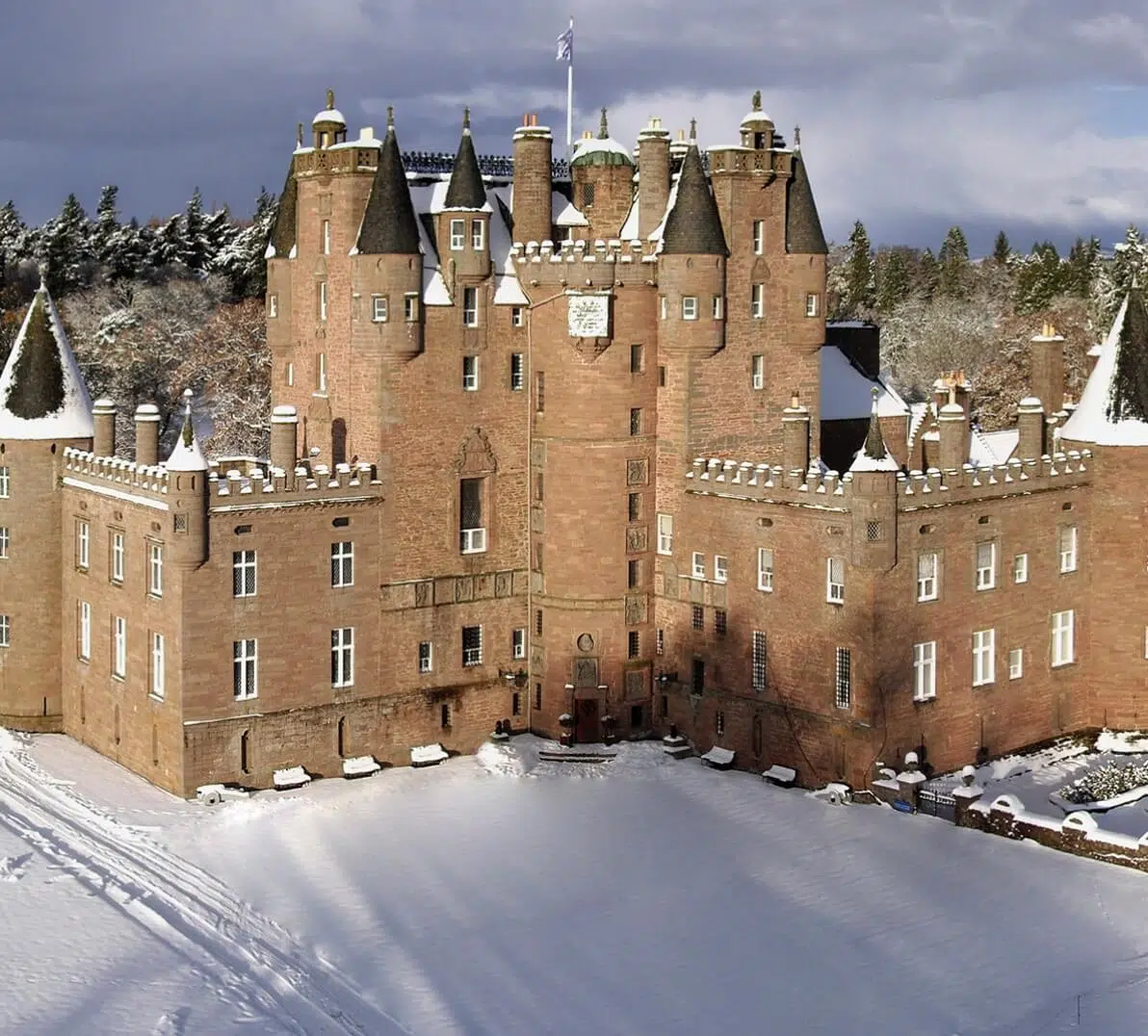
Glamis Castle was the childhood home of the Queen Mother.
The residence sits within the landscape of the Angus Glens, and the Royal Gardens reward a visit throughout most of the year.
The daffodils sparkle in spring.
The azaleas are brightly lit in summer.
In autumn the leaves on the trees turn a multitude of colours.
The Italian garden, created for Countess Cecilia — the Queen’s grandmother — is not to be missed.
For more information visit the website.
The residence sits within the landscape of the Angus Glens, and the Royal Gardens reward a visit throughout most of the year.
The daffodils sparkle in spring.
The azaleas are brightly lit in summer.
In autumn the leaves on the trees turn a multitude of colours.
The Italian garden, created for Countess Cecilia — the Queen’s grandmother — is not to be missed.
For more information visit the website.
8. Balmoral Castle
This is another of the Royal Gardens in Scotland worth visiting.
Balmoral serves as the Royal Family’s summer residence, and the grounds reflect that heritage with care.
One of the most notable areas is the formal gardens.
The glasshouses here are from the Victorian era and house a range of pot plants in vivid seasonal colour.
From their creation under the supervision of Prince Albert to the present day, the gardens at Balmoral Castle have been maintained with great dedication and skill.
For more information visit the website.
Balmoral serves as the Royal Family’s summer residence, and the grounds reflect that heritage with care.
One of the most notable areas is the formal gardens.
The glasshouses here are from the Victorian era and house a range of pot plants in vivid seasonal colour.
From their creation under the supervision of Prince Albert to the present day, the gardens at Balmoral Castle have been maintained with great dedication and skill.
For more information visit the website.
Picture credit: Town & Country
9. Frogmore House
This tranquil green oasis is located close to Frogmore Cottage in the Home Park of Windsor Castle.
Frogmore House gardens were originally laid out in the 18th century.
Visit the Royal Gardens and you encounter picturesque lakes, wooded areas, and glades.
You can also see the teahouse made for Queen Victoria.
The gardens open periodically through the year. Visit the website for current access information.
For more information visit the website.
Frogmore House gardens were originally laid out in the 18th century.
Visit the Royal Gardens and you encounter picturesque lakes, wooded areas, and glades.
You can also see the teahouse made for Queen Victoria.
The gardens open periodically through the year. Visit the website for current access information.
For more information visit the website.
Picture credit: Royal UK
10. Clarence House
[REPLACE: Add Clarence House body content here.]
Picture Credit: The Royal Collection Trust
11. Palace of Holyroodhouse
[REPLACE: Add Palace of Holyroodhouse body content here.]
Other Related Journal Entries You May Find Useful
1. Top 20 Wedding Flower Trends
2. Top 10 Best Wedding Suppliers in London
3. Royal Wedding Bouquets Through the Ages
7. Glamis Castle
Glamis Castle was the childhood home of the Queen Mother.
The residence sits within the landscape of the Angus Glens, and the Royal Gardens reward a visit throughout most of the year.
The daffodils sparkle in spring.
The azaleas are brightly lit in summer.
In autumn the leaves on the trees turn a multitude of colours.
The Italian garden, created for Countess Cecilia — the Queen’s grandmother — is not to be missed.
For more information visit the website.
The residence sits within the landscape of the Angus Glens, and the Royal Gardens reward a visit throughout most of the year.
The daffodils sparkle in spring.
The azaleas are brightly lit in summer.
In autumn the leaves on the trees turn a multitude of colours.
The Italian garden, created for Countess Cecilia — the Queen’s grandmother — is not to be missed.
For more information visit the website.
8. Balmoral Castle
This is another of the Royal Gardens in Scotland worth visiting.
Balmoral serves as the Royal Family’s summer residence, and the grounds reflect that heritage with care.
One of the most notable areas is the formal gardens.
The glasshouses here are from the Victorian era and house a range of pot plants in vivid seasonal colour.
From their creation under the supervision of Prince Albert to the present day, the gardens at Balmoral Castle have been maintained with great dedication and skill.
For more information visit the website.
Balmoral serves as the Royal Family’s summer residence, and the grounds reflect that heritage with care.
One of the most notable areas is the formal gardens.
The glasshouses here are from the Victorian era and house a range of pot plants in vivid seasonal colour.
From their creation under the supervision of Prince Albert to the present day, the gardens at Balmoral Castle have been maintained with great dedication and skill.
For more information visit the website.
Picture credit: Town & Country
9. Frogmore House
This tranquil green oasis is located close to Frogmore Cottage in the Home Park of Windsor Castle.
Frogmore House gardens were originally laid out in the 18th century.
Visit the Royal Gardens and you encounter picturesque lakes, wooded areas, and glades.
You can also see the teahouse made for Queen Victoria.
The gardens open periodically through the year. Visit the website for current access information.
For more information visit the website.
Frogmore House gardens were originally laid out in the 18th century.
Visit the Royal Gardens and you encounter picturesque lakes, wooded areas, and glades.
You can also see the teahouse made for Queen Victoria.
The gardens open periodically through the year. Visit the website for current access information.
For more information visit the website.
Picture credit: Royal UK
10. Clarence House
[REPLACE: Add Clarence House body content here.]
Picture Credit: The Royal Collection Trust
11. Palace of Holyroodhouse
[REPLACE: Add Palace of Holyroodhouse body content here.]
Other Related Journal Entries You May Find Useful
1. Top 20 Wedding Flower Trends
2. Top 10 Best Wedding Suppliers in London
3. Royal Wedding Bouquets Through the Ages
6. Highgrove House
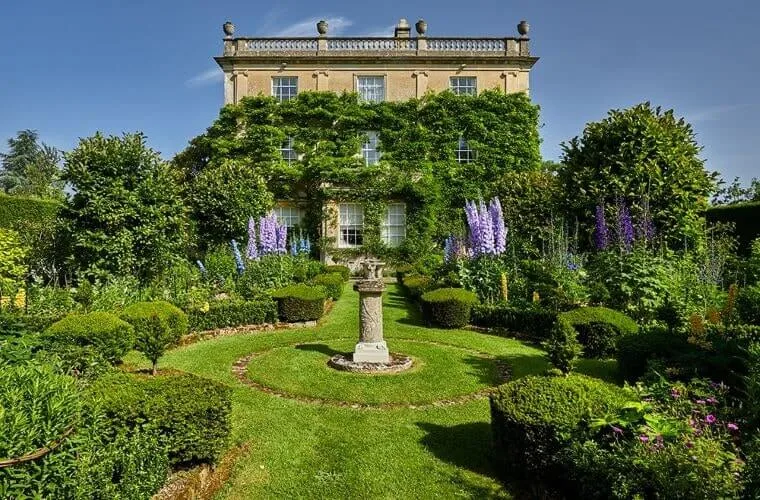
King Charles III has been closely involved in designing the gardens that surround this Gloucestershire estate, the private home he shares with Queen Camilla.
Features to look out for include:
The stumpery with tree stumps, ferns, and sculptures carved from wood.
Box hedges and delphiniums in the Sundial Garden.
Colours of Tibet in the Cottage Garden.
The Wildflower Meadow.
You can visit the gardens at Highgrove by booking an individual or group tour.
There are also options to book a Champagne Tea Tour or Private Tour.
For more information visit the website.
Features to look out for include:
The stumpery with tree stumps, ferns, and sculptures carved from wood.
Box hedges and delphiniums in the Sundial Garden.
Colours of Tibet in the Cottage Garden.
The Wildflower Meadow.
You can visit the gardens at Highgrove by booking an individual or group tour.
There are also options to book a Champagne Tea Tour or Private Tour.
For more information visit the website.
7. Glamis Castle
Glamis Castle was the childhood home of the Queen Mother.
The residence sits within the landscape of the Angus Glens, and the Royal Gardens reward a visit throughout most of the year.
The daffodils sparkle in spring.
The azaleas are brightly lit in summer.
In autumn the leaves on the trees turn a multitude of colours.
The Italian garden, created for Countess Cecilia — the Queen’s grandmother — is not to be missed.
For more information visit the website.
The residence sits within the landscape of the Angus Glens, and the Royal Gardens reward a visit throughout most of the year.
The daffodils sparkle in spring.
The azaleas are brightly lit in summer.
In autumn the leaves on the trees turn a multitude of colours.
The Italian garden, created for Countess Cecilia — the Queen’s grandmother — is not to be missed.
For more information visit the website.
8. Balmoral Castle
This is another of the Royal Gardens in Scotland worth visiting.
Balmoral serves as the Royal Family’s summer residence, and the grounds reflect that heritage with care.
One of the most notable areas is the formal gardens.
The glasshouses here are from the Victorian era and house a range of pot plants in vivid seasonal colour.
From their creation under the supervision of Prince Albert to the present day, the gardens at Balmoral Castle have been maintained with great dedication and skill.
For more information visit the website.
Balmoral serves as the Royal Family’s summer residence, and the grounds reflect that heritage with care.
One of the most notable areas is the formal gardens.
The glasshouses here are from the Victorian era and house a range of pot plants in vivid seasonal colour.
From their creation under the supervision of Prince Albert to the present day, the gardens at Balmoral Castle have been maintained with great dedication and skill.
For more information visit the website.
Picture credit: Town & Country
9. Frogmore House
This tranquil green oasis is located close to Frogmore Cottage in the Home Park of Windsor Castle.
Frogmore House gardens were originally laid out in the 18th century.
Visit the Royal Gardens and you encounter picturesque lakes, wooded areas, and glades.
You can also see the teahouse made for Queen Victoria.
The gardens open periodically through the year. Visit the website for current access information.
For more information visit the website.
Frogmore House gardens were originally laid out in the 18th century.
Visit the Royal Gardens and you encounter picturesque lakes, wooded areas, and glades.
You can also see the teahouse made for Queen Victoria.
The gardens open periodically through the year. Visit the website for current access information.
For more information visit the website.
Picture credit: Royal UK
10. Clarence House
[REPLACE: Add Clarence House body content here.]
Picture Credit: The Royal Collection Trust
11. Palace of Holyroodhouse
[REPLACE: Add Palace of Holyroodhouse body content here.]
Other Related Journal Entries You May Find Useful
1. Top 20 Wedding Flower Trends
2. Top 10 Best Wedding Suppliers in London
3. Royal Wedding Bouquets Through the Ages
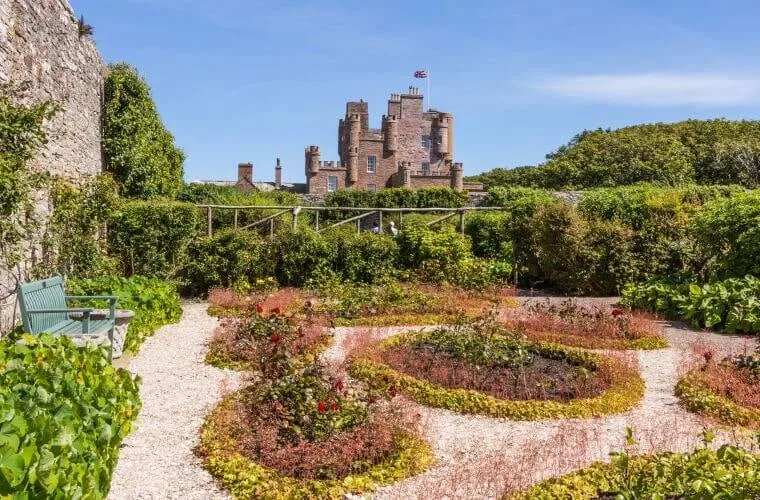
5. Castle and Gardens of Mey
This Royal residence is less famous than many others. The gardens are no less rewarding for it.
Queen Elizabeth the Queen Mother bought Castle Mey in Caithness in 1952.
She arranged for the castle to be renovated and for the gardens to be landscaped.
The gardens have changed very little since that time.
A visit today will reveal shrub roses, marigolds, pansies, dahlias, primulas, and nasturtiums at their most expressive.
The gardens are only open for three days each year in aid of Scotland’s Gardens Scheme.
For more information visit the website.
Queen Elizabeth the Queen Mother bought Castle Mey in Caithness in 1952.
She arranged for the castle to be renovated and for the gardens to be landscaped.
The gardens have changed very little since that time.
A visit today will reveal shrub roses, marigolds, pansies, dahlias, primulas, and nasturtiums at their most expressive.
The gardens are only open for three days each year in aid of Scotland’s Gardens Scheme.
For more information visit the website.
Picture credit: Scotland’s Gardens
6. Highgrove House
King Charles III has been closely involved in designing the gardens that surround this Gloucestershire estate, the private home he shares with Queen Camilla.
Features to look out for include:
The stumpery with tree stumps, ferns, and sculptures carved from wood.
Box hedges and delphiniums in the Sundial Garden.
Colours of Tibet in the Cottage Garden.
The Wildflower Meadow.
You can visit the gardens at Highgrove by booking an individual or group tour.
There are also options to book a Champagne Tea Tour or Private Tour.
For more information visit the website.
Features to look out for include:
The stumpery with tree stumps, ferns, and sculptures carved from wood.
Box hedges and delphiniums in the Sundial Garden.
Colours of Tibet in the Cottage Garden.
The Wildflower Meadow.
You can visit the gardens at Highgrove by booking an individual or group tour.
There are also options to book a Champagne Tea Tour or Private Tour.
For more information visit the website.
7. Glamis Castle
Glamis Castle was the childhood home of the Queen Mother.
The residence sits within the landscape of the Angus Glens, and the Royal Gardens reward a visit throughout most of the year.
The daffodils sparkle in spring.
The azaleas are brightly lit in summer.
In autumn the leaves on the trees turn a multitude of colours.
The Italian garden, created for Countess Cecilia — the Queen’s grandmother — is not to be missed.
For more information visit the website.
The residence sits within the landscape of the Angus Glens, and the Royal Gardens reward a visit throughout most of the year.
The daffodils sparkle in spring.
The azaleas are brightly lit in summer.
In autumn the leaves on the trees turn a multitude of colours.
The Italian garden, created for Countess Cecilia — the Queen’s grandmother — is not to be missed.
For more information visit the website.
8. Balmoral Castle
This is another of the Royal Gardens in Scotland worth visiting.
Balmoral serves as the Royal Family’s summer residence, and the grounds reflect that heritage with care.
One of the most notable areas is the formal gardens.
The glasshouses here are from the Victorian era and house a range of pot plants in vivid seasonal colour.
From their creation under the supervision of Prince Albert to the present day, the gardens at Balmoral Castle have been maintained with great dedication and skill.
For more information visit the website.
Balmoral serves as the Royal Family’s summer residence, and the grounds reflect that heritage with care.
One of the most notable areas is the formal gardens.
The glasshouses here are from the Victorian era and house a range of pot plants in vivid seasonal colour.
From their creation under the supervision of Prince Albert to the present day, the gardens at Balmoral Castle have been maintained with great dedication and skill.
For more information visit the website.
Picture credit: Town & Country
9. Frogmore House
This tranquil green oasis is located close to Frogmore Cottage in the Home Park of Windsor Castle.
Frogmore House gardens were originally laid out in the 18th century.
Visit the Royal Gardens and you encounter picturesque lakes, wooded areas, and glades.
You can also see the teahouse made for Queen Victoria.
The gardens open periodically through the year. Visit the website for current access information.
For more information visit the website.
Frogmore House gardens were originally laid out in the 18th century.
Visit the Royal Gardens and you encounter picturesque lakes, wooded areas, and glades.
You can also see the teahouse made for Queen Victoria.
The gardens open periodically through the year. Visit the website for current access information.
For more information visit the website.
Picture credit: Royal UK
10. Clarence House
[REPLACE: Add Clarence House body content here.]
Picture Credit: The Royal Collection Trust
11. Palace of Holyroodhouse
[REPLACE: Add Palace of Holyroodhouse body content here.]
Other Related Journal Entries You May Find Useful
1. Top 20 Wedding Flower Trends
2. Top 10 Best Wedding Suppliers in London
3. Royal Wedding Bouquets Through the Ages
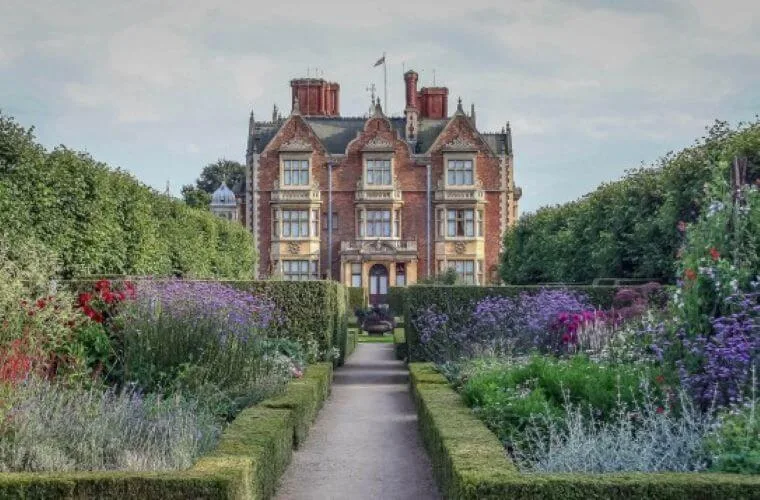
4. Sandringham
The Royal estate in Norfolk was originally purchased by King Edward VII and Queen Alexandra in 1863.
The formal gardens were not created until 1947, when Geoffrey Jelicoe was commissioned to design them for King George VI.
You can see the results of his work if you visit the gardens, which are open April–October.
The best time to visit the formal gardens is late July, when butterflies are at their most active.
The woodland garden at Sandringham is home to rhododendron, camellia, and magnolia.
This part of the estate is at its most beautiful in late May when the handkerchief tree comes into flower.
For more information visit the website.
The formal gardens were not created until 1947, when Geoffrey Jelicoe was commissioned to design them for King George VI.
You can see the results of his work if you visit the gardens, which are open April–October.
The best time to visit the formal gardens is late July, when butterflies are at their most active.
The woodland garden at Sandringham is home to rhododendron, camellia, and magnolia.
This part of the estate is at its most beautiful in late May when the handkerchief tree comes into flower.
For more information visit the website.
Picture credit: Great British Gardens
5. Castle and Gardens of Mey
This Royal residence is less famous than many others. The gardens are no less rewarding for it.
Queen Elizabeth the Queen Mother bought Castle Mey in Caithness in 1952.
She arranged for the castle to be renovated and for the gardens to be landscaped.
The gardens have changed very little since that time.
A visit today will reveal shrub roses, marigolds, pansies, dahlias, primulas, and nasturtiums at their most expressive.
The gardens are only open for three days each year in aid of Scotland’s Gardens Scheme.
For more information visit the website.
Queen Elizabeth the Queen Mother bought Castle Mey in Caithness in 1952.
She arranged for the castle to be renovated and for the gardens to be landscaped.
The gardens have changed very little since that time.
A visit today will reveal shrub roses, marigolds, pansies, dahlias, primulas, and nasturtiums at their most expressive.
The gardens are only open for three days each year in aid of Scotland’s Gardens Scheme.
For more information visit the website.
Picture credit: Scotland’s Gardens
6. Highgrove House
King Charles III has been closely involved in designing the gardens that surround this Gloucestershire estate, the private home he shares with Queen Camilla.
Features to look out for include:
The stumpery with tree stumps, ferns, and sculptures carved from wood.
Box hedges and delphiniums in the Sundial Garden.
Colours of Tibet in the Cottage Garden.
The Wildflower Meadow.
You can visit the gardens at Highgrove by booking an individual or group tour.
There are also options to book a Champagne Tea Tour or Private Tour.
For more information visit the website.
Features to look out for include:
The stumpery with tree stumps, ferns, and sculptures carved from wood.
Box hedges and delphiniums in the Sundial Garden.
Colours of Tibet in the Cottage Garden.
The Wildflower Meadow.
You can visit the gardens at Highgrove by booking an individual or group tour.
There are also options to book a Champagne Tea Tour or Private Tour.
For more information visit the website.
7. Glamis Castle
Glamis Castle was the childhood home of the Queen Mother.
The residence sits within the landscape of the Angus Glens, and the Royal Gardens reward a visit throughout most of the year.
The daffodils sparkle in spring.
The azaleas are brightly lit in summer.
In autumn the leaves on the trees turn a multitude of colours.
The Italian garden, created for Countess Cecilia — the Queen’s grandmother — is not to be missed.
For more information visit the website.
The residence sits within the landscape of the Angus Glens, and the Royal Gardens reward a visit throughout most of the year.
The daffodils sparkle in spring.
The azaleas are brightly lit in summer.
In autumn the leaves on the trees turn a multitude of colours.
The Italian garden, created for Countess Cecilia — the Queen’s grandmother — is not to be missed.
For more information visit the website.
8. Balmoral Castle
This is another of the Royal Gardens in Scotland worth visiting.
Balmoral serves as the Royal Family’s summer residence, and the grounds reflect that heritage with care.
One of the most notable areas is the formal gardens.
The glasshouses here are from the Victorian era and house a range of pot plants in vivid seasonal colour.
From their creation under the supervision of Prince Albert to the present day, the gardens at Balmoral Castle have been maintained with great dedication and skill.
For more information visit the website.
Balmoral serves as the Royal Family’s summer residence, and the grounds reflect that heritage with care.
One of the most notable areas is the formal gardens.
The glasshouses here are from the Victorian era and house a range of pot plants in vivid seasonal colour.
From their creation under the supervision of Prince Albert to the present day, the gardens at Balmoral Castle have been maintained with great dedication and skill.
For more information visit the website.
Picture credit: Town & Country
9. Frogmore House
This tranquil green oasis is located close to Frogmore Cottage in the Home Park of Windsor Castle.
Frogmore House gardens were originally laid out in the 18th century.
Visit the Royal Gardens and you encounter picturesque lakes, wooded areas, and glades.
You can also see the teahouse made for Queen Victoria.
The gardens open periodically through the year. Visit the website for current access information.
For more information visit the website.
Frogmore House gardens were originally laid out in the 18th century.
Visit the Royal Gardens and you encounter picturesque lakes, wooded areas, and glades.
You can also see the teahouse made for Queen Victoria.
The gardens open periodically through the year. Visit the website for current access information.
For more information visit the website.
Picture credit: Royal UK
10. Clarence House
[REPLACE: Add Clarence House body content here.]
Picture Credit: The Royal Collection Trust
11. Palace of Holyroodhouse
[REPLACE: Add Palace of Holyroodhouse body content here.]
Other Related Journal Entries You May Find Useful
1. Top 20 Wedding Flower Trends
2. Top 10 Best Wedding Suppliers in London
3. Royal Wedding Bouquets Through the Ages
4. Sandringham
The Royal estate in Norfolk was originally purchased by King Edward VII and Queen Alexandra in 1863.
The formal gardens were not created until 1947, when Geoffrey Jelicoe was commissioned to design them for King George VI.
You can see the results of his work if you visit the gardens, which are open April–October.
The best time to visit the formal gardens is late July, when butterflies are at their most active.
The woodland garden at Sandringham is home to rhododendron, camellia, and magnolia.
This part of the estate is at its most beautiful in late May when the handkerchief tree comes into flower.
For more information visit the website.
The formal gardens were not created until 1947, when Geoffrey Jelicoe was commissioned to design them for King George VI.
You can see the results of his work if you visit the gardens, which are open April–October.
The best time to visit the formal gardens is late July, when butterflies are at their most active.
The woodland garden at Sandringham is home to rhododendron, camellia, and magnolia.
This part of the estate is at its most beautiful in late May when the handkerchief tree comes into flower.
For more information visit the website.
Picture credit: Great British Gardens
5. Castle and Gardens of Mey
This Royal residence is less famous than many others. The gardens are no less rewarding for it.
Queen Elizabeth the Queen Mother bought Castle Mey in Caithness in 1952.
She arranged for the castle to be renovated and for the gardens to be landscaped.
The gardens have changed very little since that time.
A visit today will reveal shrub roses, marigolds, pansies, dahlias, primulas, and nasturtiums at their most expressive.
The gardens are only open for three days each year in aid of Scotland’s Gardens Scheme.
For more information visit the website.
Queen Elizabeth the Queen Mother bought Castle Mey in Caithness in 1952.
She arranged for the castle to be renovated and for the gardens to be landscaped.
The gardens have changed very little since that time.
A visit today will reveal shrub roses, marigolds, pansies, dahlias, primulas, and nasturtiums at their most expressive.
The gardens are only open for three days each year in aid of Scotland’s Gardens Scheme.
For more information visit the website.
Picture credit: Scotland’s Gardens
6. Highgrove House
King Charles III has been closely involved in designing the gardens that surround this Gloucestershire estate, the private home he shares with Queen Camilla.
Features to look out for include:
The stumpery with tree stumps, ferns, and sculptures carved from wood.
Box hedges and delphiniums in the Sundial Garden.
Colours of Tibet in the Cottage Garden.
The Wildflower Meadow.
You can visit the gardens at Highgrove by booking an individual or group tour.
There are also options to book a Champagne Tea Tour or Private Tour.
For more information visit the website.
Features to look out for include:
The stumpery with tree stumps, ferns, and sculptures carved from wood.
Box hedges and delphiniums in the Sundial Garden.
Colours of Tibet in the Cottage Garden.
The Wildflower Meadow.
You can visit the gardens at Highgrove by booking an individual or group tour.
There are also options to book a Champagne Tea Tour or Private Tour.
For more information visit the website.
7. Glamis Castle
Glamis Castle was the childhood home of the Queen Mother.
The residence sits within the landscape of the Angus Glens, and the Royal Gardens reward a visit throughout most of the year.
The daffodils sparkle in spring.
The azaleas are brightly lit in summer.
In autumn the leaves on the trees turn a multitude of colours.
The Italian garden, created for Countess Cecilia — the Queen’s grandmother — is not to be missed.
For more information visit the website.
The residence sits within the landscape of the Angus Glens, and the Royal Gardens reward a visit throughout most of the year.
The daffodils sparkle in spring.
The azaleas are brightly lit in summer.
In autumn the leaves on the trees turn a multitude of colours.
The Italian garden, created for Countess Cecilia — the Queen’s grandmother — is not to be missed.
For more information visit the website.
8. Balmoral Castle
This is another of the Royal Gardens in Scotland worth visiting.
Balmoral serves as the Royal Family’s summer residence, and the grounds reflect that heritage with care.
One of the most notable areas is the formal gardens.
The glasshouses here are from the Victorian era and house a range of pot plants in vivid seasonal colour.
From their creation under the supervision of Prince Albert to the present day, the gardens at Balmoral Castle have been maintained with great dedication and skill.
For more information visit the website.
Balmoral serves as the Royal Family’s summer residence, and the grounds reflect that heritage with care.
One of the most notable areas is the formal gardens.
The glasshouses here are from the Victorian era and house a range of pot plants in vivid seasonal colour.
From their creation under the supervision of Prince Albert to the present day, the gardens at Balmoral Castle have been maintained with great dedication and skill.
For more information visit the website.
Picture credit: Town & Country
9. Frogmore House
This tranquil green oasis is located close to Frogmore Cottage in the Home Park of Windsor Castle.
Frogmore House gardens were originally laid out in the 18th century.
Visit the Royal Gardens and you encounter picturesque lakes, wooded areas, and glades.
You can also see the teahouse made for Queen Victoria.
The gardens open periodically through the year. Visit the website for current access information.
For more information visit the website.
Frogmore House gardens were originally laid out in the 18th century.
Visit the Royal Gardens and you encounter picturesque lakes, wooded areas, and glades.
You can also see the teahouse made for Queen Victoria.
The gardens open periodically through the year. Visit the website for current access information.
For more information visit the website.
Picture credit: Royal UK
10. Clarence House
[REPLACE: Add Clarence House body content here.]
Picture Credit: The Royal Collection Trust
11. Palace of Holyroodhouse
[REPLACE: Add Palace of Holyroodhouse body content here.]
Other Related Journal Entries You May Find Useful
1. Top 20 Wedding Flower Trends
2. Top 10 Best Wedding Suppliers in London
3. Royal Wedding Bouquets Through the Ages
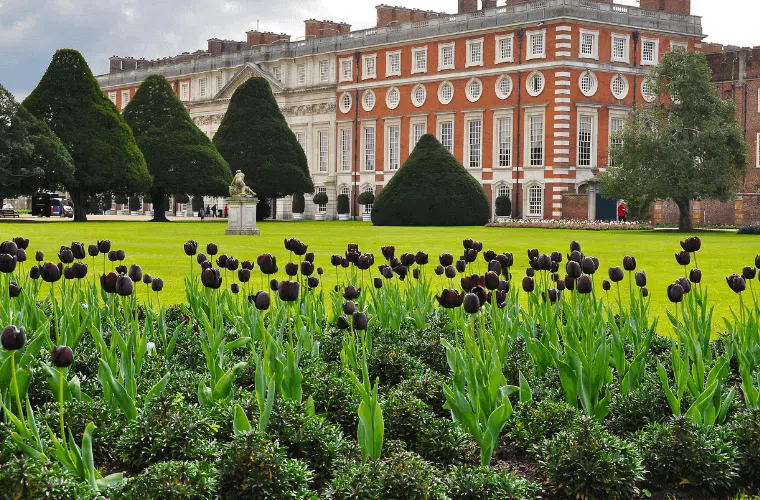
3. Hampton Court Palace
Hampton Court Palace isn’t a current Royal residence.
But it was built by arguably the most famous British monarch, King Henry VIII.
Today, it’s a rewarding place to explore with family. The 60 acres of formal gardens and 750 acres of parkland give you plenty to discover.
The most famous part of the grounds is the Palace Maze, created around 1700.
There’s also the opportunity to see deer and different bird species at Home Park.
For more information visit the website.
But it was built by arguably the most famous British monarch, King Henry VIII.
Today, it’s a rewarding place to explore with family. The 60 acres of formal gardens and 750 acres of parkland give you plenty to discover.
The most famous part of the grounds is the Palace Maze, created around 1700.
There’s also the opportunity to see deer and different bird species at Home Park.
For more information visit the website.
4. Sandringham
The Royal estate in Norfolk was originally purchased by King Edward VII and Queen Alexandra in 1863.
The formal gardens were not created until 1947, when Geoffrey Jelicoe was commissioned to design them for King George VI.
You can see the results of his work if you visit the gardens, which are open April–October.
The best time to visit the formal gardens is late July, when butterflies are at their most active.
The woodland garden at Sandringham is home to rhododendron, camellia, and magnolia.
This part of the estate is at its most beautiful in late May when the handkerchief tree comes into flower.
For more information visit the website.
The formal gardens were not created until 1947, when Geoffrey Jelicoe was commissioned to design them for King George VI.
You can see the results of his work if you visit the gardens, which are open April–October.
The best time to visit the formal gardens is late July, when butterflies are at their most active.
The woodland garden at Sandringham is home to rhododendron, camellia, and magnolia.
This part of the estate is at its most beautiful in late May when the handkerchief tree comes into flower.
For more information visit the website.
Picture credit: Great British Gardens
5. Castle and Gardens of Mey
This Royal residence is less famous than many others. The gardens are no less rewarding for it.
Queen Elizabeth the Queen Mother bought Castle Mey in Caithness in 1952.
She arranged for the castle to be renovated and for the gardens to be landscaped.
The gardens have changed very little since that time.
A visit today will reveal shrub roses, marigolds, pansies, dahlias, primulas, and nasturtiums at their most expressive.
The gardens are only open for three days each year in aid of Scotland’s Gardens Scheme.
For more information visit the website.
Queen Elizabeth the Queen Mother bought Castle Mey in Caithness in 1952.
She arranged for the castle to be renovated and for the gardens to be landscaped.
The gardens have changed very little since that time.
A visit today will reveal shrub roses, marigolds, pansies, dahlias, primulas, and nasturtiums at their most expressive.
The gardens are only open for three days each year in aid of Scotland’s Gardens Scheme.
For more information visit the website.
Picture credit: Scotland’s Gardens
6. Highgrove House
King Charles III has been closely involved in designing the gardens that surround this Gloucestershire estate, the private home he shares with Queen Camilla.
Features to look out for include:
The stumpery with tree stumps, ferns, and sculptures carved from wood.
Box hedges and delphiniums in the Sundial Garden.
Colours of Tibet in the Cottage Garden.
The Wildflower Meadow.
You can visit the gardens at Highgrove by booking an individual or group tour.
There are also options to book a Champagne Tea Tour or Private Tour.
For more information visit the website.
Features to look out for include:
The stumpery with tree stumps, ferns, and sculptures carved from wood.
Box hedges and delphiniums in the Sundial Garden.
Colours of Tibet in the Cottage Garden.
The Wildflower Meadow.
You can visit the gardens at Highgrove by booking an individual or group tour.
There are also options to book a Champagne Tea Tour or Private Tour.
For more information visit the website.
7. Glamis Castle
Glamis Castle was the childhood home of the Queen Mother.
The residence sits within the landscape of the Angus Glens, and the Royal Gardens reward a visit throughout most of the year.
The daffodils sparkle in spring.
The azaleas are brightly lit in summer.
In autumn the leaves on the trees turn a multitude of colours.
The Italian garden, created for Countess Cecilia — the Queen’s grandmother — is not to be missed.
For more information visit the website.
The residence sits within the landscape of the Angus Glens, and the Royal Gardens reward a visit throughout most of the year.
The daffodils sparkle in spring.
The azaleas are brightly lit in summer.
In autumn the leaves on the trees turn a multitude of colours.
The Italian garden, created for Countess Cecilia — the Queen’s grandmother — is not to be missed.
For more information visit the website.
8. Balmoral Castle
This is another of the Royal Gardens in Scotland worth visiting.
Balmoral serves as the Royal Family’s summer residence, and the grounds reflect that heritage with care.
One of the most notable areas is the formal gardens.
The glasshouses here are from the Victorian era and house a range of pot plants in vivid seasonal colour.
From their creation under the supervision of Prince Albert to the present day, the gardens at Balmoral Castle have been maintained with great dedication and skill.
For more information visit the website.
Balmoral serves as the Royal Family’s summer residence, and the grounds reflect that heritage with care.
One of the most notable areas is the formal gardens.
The glasshouses here are from the Victorian era and house a range of pot plants in vivid seasonal colour.
From their creation under the supervision of Prince Albert to the present day, the gardens at Balmoral Castle have been maintained with great dedication and skill.
For more information visit the website.
Picture credit: Town & Country
9. Frogmore House
This tranquil green oasis is located close to Frogmore Cottage in the Home Park of Windsor Castle.
Frogmore House gardens were originally laid out in the 18th century.
Visit the Royal Gardens and you encounter picturesque lakes, wooded areas, and glades.
You can also see the teahouse made for Queen Victoria.
The gardens open periodically through the year. Visit the website for current access information.
For more information visit the website.
Frogmore House gardens were originally laid out in the 18th century.
Visit the Royal Gardens and you encounter picturesque lakes, wooded areas, and glades.
You can also see the teahouse made for Queen Victoria.
The gardens open periodically through the year. Visit the website for current access information.
For more information visit the website.
Picture credit: Royal UK
10. Clarence House
[REPLACE: Add Clarence House body content here.]
Picture Credit: The Royal Collection Trust
11. Palace of Holyroodhouse
[REPLACE: Add Palace of Holyroodhouse body content here.]
Other Related Journal Entries You May Find Useful
1. Top 20 Wedding Flower Trends
2. Top 10 Best Wedding Suppliers in London
3. Royal Wedding Bouquets Through the Ages
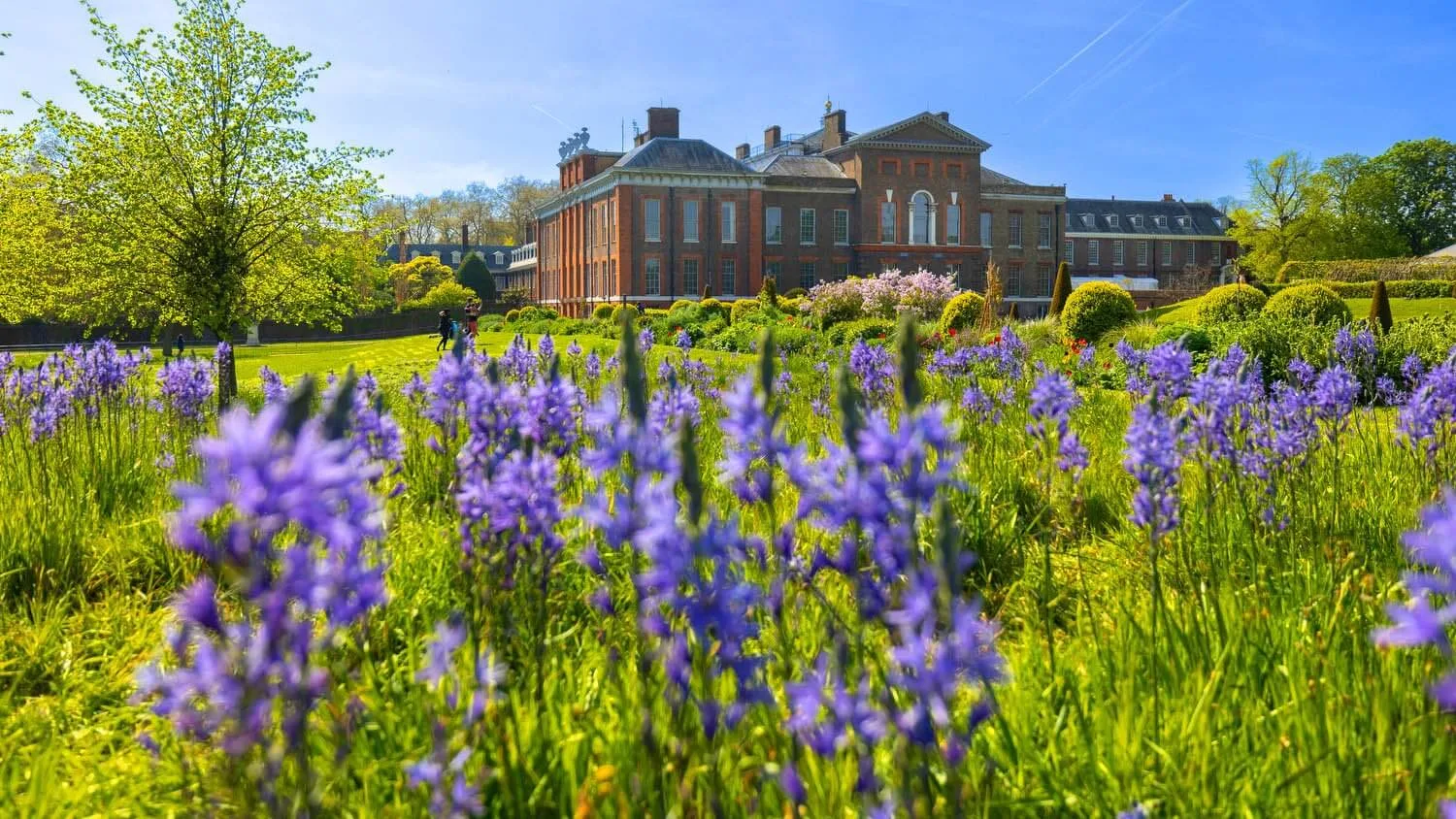
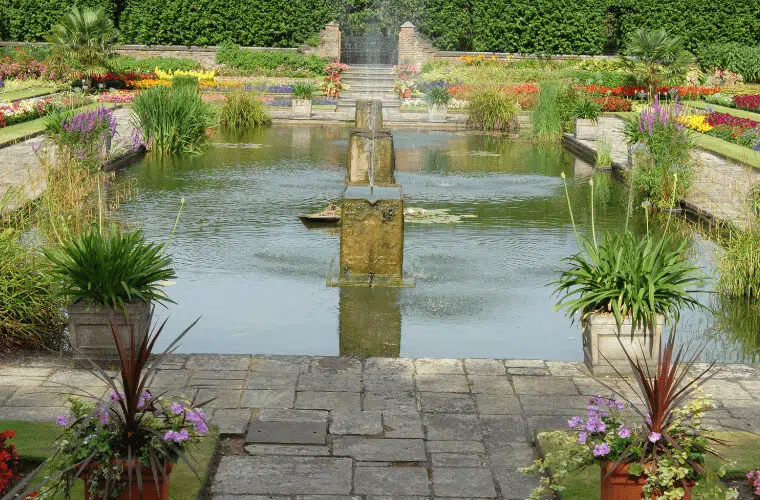
Kensington Palace is the official London residence of TRH The Prince and Princess of Wales.
It’s also the birthplace of Queen Victoria.
You can explore Kensington Palace Gardens without a ticket, although you do need to book if you want to go inside the Palace itself.
Look out for the Sunken Garden, which was constructed in 1908 and replanted in memory of Princess Diana in 2017.
It’s a considered space, surrounded by soft pastel plantings.
The wildflower meadow at Kensington Palace is also worth seeking out. The flowers include daisies, poppies, and campion — beautiful in their own right, and valuable for pollinators.
For more information visit the website.
It’s also the birthplace of Queen Victoria.
You can explore Kensington Palace Gardens without a ticket, although you do need to book if you want to go inside the Palace itself.
Look out for the Sunken Garden, which was constructed in 1908 and replanted in memory of Princess Diana in 2017.
It’s a considered space, surrounded by soft pastel plantings.
The wildflower meadow at Kensington Palace is also worth seeking out. The flowers include daisies, poppies, and campion — beautiful in their own right, and valuable for pollinators.
For more information visit the website.
3. Hampton Court Palace
Hampton Court Palace isn’t a current Royal residence.
But it was built by arguably the most famous British monarch, King Henry VIII.
Today, it’s a rewarding place to explore with family. The 60 acres of formal gardens and 750 acres of parkland give you plenty to discover.
The most famous part of the grounds is the Palace Maze, created around 1700.
There’s also the opportunity to see deer and different bird species at Home Park.
For more information visit the website.
But it was built by arguably the most famous British monarch, King Henry VIII.
Today, it’s a rewarding place to explore with family. The 60 acres of formal gardens and 750 acres of parkland give you plenty to discover.
The most famous part of the grounds is the Palace Maze, created around 1700.
There’s also the opportunity to see deer and different bird species at Home Park.
For more information visit the website.
4. Sandringham
The Royal estate in Norfolk was originally purchased by King Edward VII and Queen Alexandra in 1863.
The formal gardens were not created until 1947, when Geoffrey Jelicoe was commissioned to design them for King George VI.
You can see the results of his work if you visit the gardens, which are open April–October.
The best time to visit the formal gardens is late July, when butterflies are at their most active.
The woodland garden at Sandringham is home to rhododendron, camellia, and magnolia.
This part of the estate is at its most beautiful in late May when the handkerchief tree comes into flower.
For more information visit the website.
The formal gardens were not created until 1947, when Geoffrey Jelicoe was commissioned to design them for King George VI.
You can see the results of his work if you visit the gardens, which are open April–October.
The best time to visit the formal gardens is late July, when butterflies are at their most active.
The woodland garden at Sandringham is home to rhododendron, camellia, and magnolia.
This part of the estate is at its most beautiful in late May when the handkerchief tree comes into flower.
For more information visit the website.
Picture credit: Great British Gardens
5. Castle and Gardens of Mey
This Royal residence is less famous than many others. The gardens are no less rewarding for it.
Queen Elizabeth the Queen Mother bought Castle Mey in Caithness in 1952.
She arranged for the castle to be renovated and for the gardens to be landscaped.
The gardens have changed very little since that time.
A visit today will reveal shrub roses, marigolds, pansies, dahlias, primulas, and nasturtiums at their most expressive.
The gardens are only open for three days each year in aid of Scotland’s Gardens Scheme.
For more information visit the website.
Queen Elizabeth the Queen Mother bought Castle Mey in Caithness in 1952.
She arranged for the castle to be renovated and for the gardens to be landscaped.
The gardens have changed very little since that time.
A visit today will reveal shrub roses, marigolds, pansies, dahlias, primulas, and nasturtiums at their most expressive.
The gardens are only open for three days each year in aid of Scotland’s Gardens Scheme.
For more information visit the website.
Picture credit: Scotland’s Gardens
6. Highgrove House
King Charles III has been closely involved in designing the gardens that surround this Gloucestershire estate, the private home he shares with Queen Camilla.
Features to look out for include:
The stumpery with tree stumps, ferns, and sculptures carved from wood.
Box hedges and delphiniums in the Sundial Garden.
Colours of Tibet in the Cottage Garden.
The Wildflower Meadow.
You can visit the gardens at Highgrove by booking an individual or group tour.
There are also options to book a Champagne Tea Tour or Private Tour.
For more information visit the website.
Features to look out for include:
The stumpery with tree stumps, ferns, and sculptures carved from wood.
Box hedges and delphiniums in the Sundial Garden.
Colours of Tibet in the Cottage Garden.
The Wildflower Meadow.
You can visit the gardens at Highgrove by booking an individual or group tour.
There are also options to book a Champagne Tea Tour or Private Tour.
For more information visit the website.
7. Glamis Castle
Glamis Castle was the childhood home of the Queen Mother.
The residence sits within the landscape of the Angus Glens, and the Royal Gardens reward a visit throughout most of the year.
The daffodils sparkle in spring.
The azaleas are brightly lit in summer.
In autumn the leaves on the trees turn a multitude of colours.
The Italian garden, created for Countess Cecilia — the Queen’s grandmother — is not to be missed.
For more information visit the website.
The residence sits within the landscape of the Angus Glens, and the Royal Gardens reward a visit throughout most of the year.
The daffodils sparkle in spring.
The azaleas are brightly lit in summer.
In autumn the leaves on the trees turn a multitude of colours.
The Italian garden, created for Countess Cecilia — the Queen’s grandmother — is not to be missed.
For more information visit the website.
8. Balmoral Castle
This is another of the Royal Gardens in Scotland worth visiting.
Balmoral serves as the Royal Family’s summer residence, and the grounds reflect that heritage with care.
One of the most notable areas is the formal gardens.
The glasshouses here are from the Victorian era and house a range of pot plants in vivid seasonal colour.
From their creation under the supervision of Prince Albert to the present day, the gardens at Balmoral Castle have been maintained with great dedication and skill.
For more information visit the website.
Balmoral serves as the Royal Family’s summer residence, and the grounds reflect that heritage with care.
One of the most notable areas is the formal gardens.
The glasshouses here are from the Victorian era and house a range of pot plants in vivid seasonal colour.
From their creation under the supervision of Prince Albert to the present day, the gardens at Balmoral Castle have been maintained with great dedication and skill.
For more information visit the website.
Picture credit: Town & Country
9. Frogmore House
This tranquil green oasis is located close to Frogmore Cottage in the Home Park of Windsor Castle.
Frogmore House gardens were originally laid out in the 18th century.
Visit the Royal Gardens and you encounter picturesque lakes, wooded areas, and glades.
You can also see the teahouse made for Queen Victoria.
The gardens open periodically through the year. Visit the website for current access information.
For more information visit the website.
Frogmore House gardens were originally laid out in the 18th century.
Visit the Royal Gardens and you encounter picturesque lakes, wooded areas, and glades.
You can also see the teahouse made for Queen Victoria.
The gardens open periodically through the year. Visit the website for current access information.
For more information visit the website.
Picture credit: Royal UK
10. Clarence House
[REPLACE: Add Clarence House body content here.]
Picture Credit: The Royal Collection Trust
11. Palace of Holyroodhouse
[REPLACE: Add Palace of Holyroodhouse body content here.]
Other Related Journal Entries You May Find Useful
1. Top 20 Wedding Flower Trends
2. Top 10 Best Wedding Suppliers in London
3. Royal Wedding Bouquets Through the Ages
2. Kensington Palace
Kensington Palace is the official London residence of TRH The Prince and Princess of Wales.
It’s also the birthplace of Queen Victoria.
You can explore Kensington Palace Gardens without a ticket, although you do need to book if you want to go inside the Palace itself.
Look out for the Sunken Garden, which was constructed in 1908 and replanted in memory of Princess Diana in 2017.
It’s a considered space, surrounded by soft pastel plantings.
The wildflower meadow at Kensington Palace is also worth seeking out. The flowers include daisies, poppies, and campion — beautiful in their own right, and valuable for pollinators.
For more information visit the website.
It’s also the birthplace of Queen Victoria.
You can explore Kensington Palace Gardens without a ticket, although you do need to book if you want to go inside the Palace itself.
Look out for the Sunken Garden, which was constructed in 1908 and replanted in memory of Princess Diana in 2017.
It’s a considered space, surrounded by soft pastel plantings.
The wildflower meadow at Kensington Palace is also worth seeking out. The flowers include daisies, poppies, and campion — beautiful in their own right, and valuable for pollinators.
For more information visit the website.
3. Hampton Court Palace
Hampton Court Palace isn’t a current Royal residence.
But it was built by arguably the most famous British monarch, King Henry VIII.
Today, it’s a rewarding place to explore with family. The 60 acres of formal gardens and 750 acres of parkland give you plenty to discover.
The most famous part of the grounds is the Palace Maze, created around 1700.
There’s also the opportunity to see deer and different bird species at Home Park.
For more information visit the website.
But it was built by arguably the most famous British monarch, King Henry VIII.
Today, it’s a rewarding place to explore with family. The 60 acres of formal gardens and 750 acres of parkland give you plenty to discover.
The most famous part of the grounds is the Palace Maze, created around 1700.
There’s also the opportunity to see deer and different bird species at Home Park.
For more information visit the website.
4. Sandringham
The Royal estate in Norfolk was originally purchased by King Edward VII and Queen Alexandra in 1863.
The formal gardens were not created until 1947, when Geoffrey Jelicoe was commissioned to design them for King George VI.
You can see the results of his work if you visit the gardens, which are open April–October.
The best time to visit the formal gardens is late July, when butterflies are at their most active.
The woodland garden at Sandringham is home to rhododendron, camellia, and magnolia.
This part of the estate is at its most beautiful in late May when the handkerchief tree comes into flower.
For more information visit the website.
The formal gardens were not created until 1947, when Geoffrey Jelicoe was commissioned to design them for King George VI.
You can see the results of his work if you visit the gardens, which are open April–October.
The best time to visit the formal gardens is late July, when butterflies are at their most active.
The woodland garden at Sandringham is home to rhododendron, camellia, and magnolia.
This part of the estate is at its most beautiful in late May when the handkerchief tree comes into flower.
For more information visit the website.
Picture credit: Great British Gardens
5. Castle and Gardens of Mey
This Royal residence is less famous than many others. The gardens are no less rewarding for it.
Queen Elizabeth the Queen Mother bought Castle Mey in Caithness in 1952.
She arranged for the castle to be renovated and for the gardens to be landscaped.
The gardens have changed very little since that time.
A visit today will reveal shrub roses, marigolds, pansies, dahlias, primulas, and nasturtiums at their most expressive.
The gardens are only open for three days each year in aid of Scotland’s Gardens Scheme.
For more information visit the website.
Queen Elizabeth the Queen Mother bought Castle Mey in Caithness in 1952.
She arranged for the castle to be renovated and for the gardens to be landscaped.
The gardens have changed very little since that time.
A visit today will reveal shrub roses, marigolds, pansies, dahlias, primulas, and nasturtiums at their most expressive.
The gardens are only open for three days each year in aid of Scotland’s Gardens Scheme.
For more information visit the website.
Picture credit: Scotland’s Gardens
6. Highgrove House
King Charles III has been closely involved in designing the gardens that surround this Gloucestershire estate, the private home he shares with Queen Camilla.
Features to look out for include:
The stumpery with tree stumps, ferns, and sculptures carved from wood.
Box hedges and delphiniums in the Sundial Garden.
Colours of Tibet in the Cottage Garden.
The Wildflower Meadow.
You can visit the gardens at Highgrove by booking an individual or group tour.
There are also options to book a Champagne Tea Tour or Private Tour.
For more information visit the website.
Features to look out for include:
The stumpery with tree stumps, ferns, and sculptures carved from wood.
Box hedges and delphiniums in the Sundial Garden.
Colours of Tibet in the Cottage Garden.
The Wildflower Meadow.
You can visit the gardens at Highgrove by booking an individual or group tour.
There are also options to book a Champagne Tea Tour or Private Tour.
For more information visit the website.
7. Glamis Castle
Glamis Castle was the childhood home of the Queen Mother.
The residence sits within the landscape of the Angus Glens, and the Royal Gardens reward a visit throughout most of the year.
The daffodils sparkle in spring.
The azaleas are brightly lit in summer.
In autumn the leaves on the trees turn a multitude of colours.
The Italian garden, created for Countess Cecilia — the Queen’s grandmother — is not to be missed.
For more information visit the website.
The residence sits within the landscape of the Angus Glens, and the Royal Gardens reward a visit throughout most of the year.
The daffodils sparkle in spring.
The azaleas are brightly lit in summer.
In autumn the leaves on the trees turn a multitude of colours.
The Italian garden, created for Countess Cecilia — the Queen’s grandmother — is not to be missed.
For more information visit the website.
8. Balmoral Castle
This is another of the Royal Gardens in Scotland worth visiting.
Balmoral serves as the Royal Family’s summer residence, and the grounds reflect that heritage with care.
One of the most notable areas is the formal gardens.
The glasshouses here are from the Victorian era and house a range of pot plants in vivid seasonal colour.
From their creation under the supervision of Prince Albert to the present day, the gardens at Balmoral Castle have been maintained with great dedication and skill.
For more information visit the website.
Balmoral serves as the Royal Family’s summer residence, and the grounds reflect that heritage with care.
One of the most notable areas is the formal gardens.
The glasshouses here are from the Victorian era and house a range of pot plants in vivid seasonal colour.
From their creation under the supervision of Prince Albert to the present day, the gardens at Balmoral Castle have been maintained with great dedication and skill.
For more information visit the website.
Picture credit: Town & Country
9. Frogmore House
This tranquil green oasis is located close to Frogmore Cottage in the Home Park of Windsor Castle.
Frogmore House gardens were originally laid out in the 18th century.
Visit the Royal Gardens and you encounter picturesque lakes, wooded areas, and glades.
You can also see the teahouse made for Queen Victoria.
The gardens open periodically through the year. Visit the website for current access information.
For more information visit the website.
Frogmore House gardens were originally laid out in the 18th century.
Visit the Royal Gardens and you encounter picturesque lakes, wooded areas, and glades.
You can also see the teahouse made for Queen Victoria.
The gardens open periodically through the year. Visit the website for current access information.
For more information visit the website.
Picture credit: Royal UK
10. Clarence House
[REPLACE: Add Clarence House body content here.]
Picture Credit: The Royal Collection Trust
11. Palace of Holyroodhouse
[REPLACE: Add Palace of Holyroodhouse body content here.]
Other Related Journal Entries You May Find Useful
1. Top 20 Wedding Flower Trends
2. Top 10 Best Wedding Suppliers in London
3. Royal Wedding Bouquets Through the Ages
1. Buckingham Palace
Buckingham Palace is one of the most iconic Royal residences in the world.
Most people know the view of the Palace from the front, looking down the Mall. The gardens behind the Palace are considerably less visited — and all the more rewarding for it.
It’s here that Queen Elizabeth II planted a tree for each of her four children.
There’s also a herbaceous border, rose garden, and wildflower meadow.
The garden is open to the public Monday, Thursday, Friday, Saturday, and Sunday from the second week in July to the middle of September.
You can explore the gardens independently or join one of the Garden Highlights Tours.
For more information visit the website.
Most people know the view of the Palace from the front, looking down the Mall. The gardens behind the Palace are considerably less visited — and all the more rewarding for it.
It’s here that Queen Elizabeth II planted a tree for each of her four children.
There’s also a herbaceous border, rose garden, and wildflower meadow.
The garden is open to the public Monday, Thursday, Friday, Saturday, and Sunday from the second week in July to the middle of September.
You can explore the gardens independently or join one of the Garden Highlights Tours.
For more information visit the website.
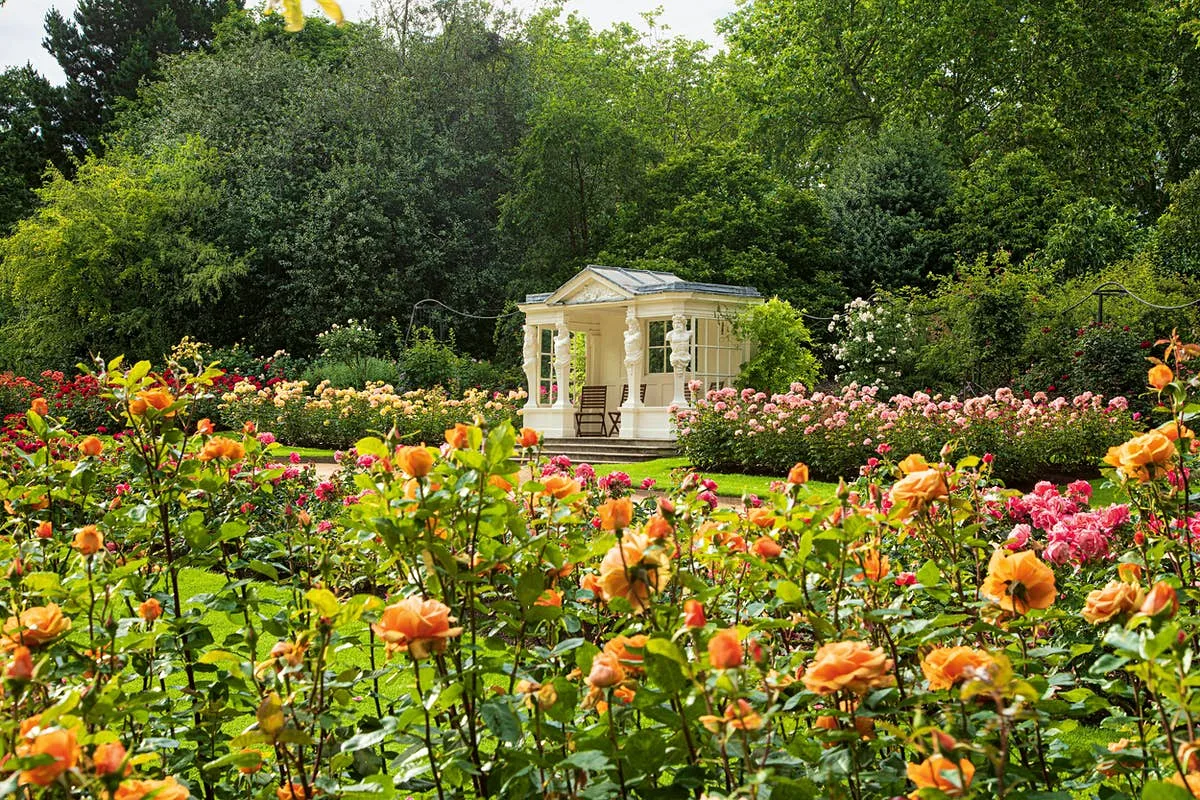
Picture credit: Lonely Planet
2. Kensington Palace
Kensington Palace is the official London residence of TRH The Prince and Princess of Wales.
It’s also the birthplace of Queen Victoria.
You can explore Kensington Palace Gardens without a ticket, although you do need to book if you want to go inside the Palace itself.
Look out for the Sunken Garden, which was constructed in 1908 and replanted in memory of Princess Diana in 2017.
It’s a considered space, surrounded by soft pastel plantings.
The wildflower meadow at Kensington Palace is also worth seeking out. The flowers include daisies, poppies, and campion — beautiful in their own right, and valuable for pollinators.
For more information visit the website.
It’s also the birthplace of Queen Victoria.
You can explore Kensington Palace Gardens without a ticket, although you do need to book if you want to go inside the Palace itself.
Look out for the Sunken Garden, which was constructed in 1908 and replanted in memory of Princess Diana in 2017.
It’s a considered space, surrounded by soft pastel plantings.
The wildflower meadow at Kensington Palace is also worth seeking out. The flowers include daisies, poppies, and campion — beautiful in their own right, and valuable for pollinators.
For more information visit the website.
3. Hampton Court Palace
Hampton Court Palace isn’t a current Royal residence.
But it was built by arguably the most famous British monarch, King Henry VIII.
Today, it’s a rewarding place to explore with family. The 60 acres of formal gardens and 750 acres of parkland give you plenty to discover.
The most famous part of the grounds is the Palace Maze, created around 1700.
There’s also the opportunity to see deer and different bird species at Home Park.
For more information visit the website.
But it was built by arguably the most famous British monarch, King Henry VIII.
Today, it’s a rewarding place to explore with family. The 60 acres of formal gardens and 750 acres of parkland give you plenty to discover.
The most famous part of the grounds is the Palace Maze, created around 1700.
There’s also the opportunity to see deer and different bird species at Home Park.
For more information visit the website.
4. Sandringham
The Royal estate in Norfolk was originally purchased by King Edward VII and Queen Alexandra in 1863.
The formal gardens were not created until 1947, when Geoffrey Jelicoe was commissioned to design them for King George VI.
You can see the results of his work if you visit the gardens, which are open April–October.
The best time to visit the formal gardens is late July, when butterflies are at their most active.
The woodland garden at Sandringham is home to rhododendron, camellia, and magnolia.
This part of the estate is at its most beautiful in late May when the handkerchief tree comes into flower.
For more information visit the website.
The formal gardens were not created until 1947, when Geoffrey Jelicoe was commissioned to design them for King George VI.
You can see the results of his work if you visit the gardens, which are open April–October.
The best time to visit the formal gardens is late July, when butterflies are at their most active.
The woodland garden at Sandringham is home to rhododendron, camellia, and magnolia.
This part of the estate is at its most beautiful in late May when the handkerchief tree comes into flower.
For more information visit the website.
Picture credit: Great British Gardens
5. Castle and Gardens of Mey
This Royal residence is less famous than many others. The gardens are no less rewarding for it.
Queen Elizabeth the Queen Mother bought Castle Mey in Caithness in 1952.
She arranged for the castle to be renovated and for the gardens to be landscaped.
The gardens have changed very little since that time.
A visit today will reveal shrub roses, marigolds, pansies, dahlias, primulas, and nasturtiums at their most expressive.
The gardens are only open for three days each year in aid of Scotland’s Gardens Scheme.
For more information visit the website.
Queen Elizabeth the Queen Mother bought Castle Mey in Caithness in 1952.
She arranged for the castle to be renovated and for the gardens to be landscaped.
The gardens have changed very little since that time.
A visit today will reveal shrub roses, marigolds, pansies, dahlias, primulas, and nasturtiums at their most expressive.
The gardens are only open for three days each year in aid of Scotland’s Gardens Scheme.
For more information visit the website.
Picture credit: Scotland’s Gardens
6. Highgrove House
King Charles III has been closely involved in designing the gardens that surround this Gloucestershire estate, the private home he shares with Queen Camilla.
Features to look out for include:
The stumpery with tree stumps, ferns, and sculptures carved from wood.
Box hedges and delphiniums in the Sundial Garden.
Colours of Tibet in the Cottage Garden.
The Wildflower Meadow.
You can visit the gardens at Highgrove by booking an individual or group tour.
There are also options to book a Champagne Tea Tour or Private Tour.
For more information visit the website.
Features to look out for include:
The stumpery with tree stumps, ferns, and sculptures carved from wood.
Box hedges and delphiniums in the Sundial Garden.
Colours of Tibet in the Cottage Garden.
The Wildflower Meadow.
You can visit the gardens at Highgrove by booking an individual or group tour.
There are also options to book a Champagne Tea Tour or Private Tour.
For more information visit the website.
7. Glamis Castle
Glamis Castle was the childhood home of the Queen Mother.
The residence sits within the landscape of the Angus Glens, and the Royal Gardens reward a visit throughout most of the year.
The daffodils sparkle in spring.
The azaleas are brightly lit in summer.
In autumn the leaves on the trees turn a multitude of colours.
The Italian garden, created for Countess Cecilia — the Queen’s grandmother — is not to be missed.
For more information visit the website.
The residence sits within the landscape of the Angus Glens, and the Royal Gardens reward a visit throughout most of the year.
The daffodils sparkle in spring.
The azaleas are brightly lit in summer.
In autumn the leaves on the trees turn a multitude of colours.
The Italian garden, created for Countess Cecilia — the Queen’s grandmother — is not to be missed.
For more information visit the website.
8. Balmoral Castle
This is another of the Royal Gardens in Scotland worth visiting.
Balmoral serves as the Royal Family’s summer residence, and the grounds reflect that heritage with care.
One of the most notable areas is the formal gardens.
The glasshouses here are from the Victorian era and house a range of pot plants in vivid seasonal colour.
From their creation under the supervision of Prince Albert to the present day, the gardens at Balmoral Castle have been maintained with great dedication and skill.
For more information visit the website.
Balmoral serves as the Royal Family’s summer residence, and the grounds reflect that heritage with care.
One of the most notable areas is the formal gardens.
The glasshouses here are from the Victorian era and house a range of pot plants in vivid seasonal colour.
From their creation under the supervision of Prince Albert to the present day, the gardens at Balmoral Castle have been maintained with great dedication and skill.
For more information visit the website.
Picture credit: Town & Country
9. Frogmore House
This tranquil green oasis is located close to Frogmore Cottage in the Home Park of Windsor Castle.
Frogmore House gardens were originally laid out in the 18th century.
Visit the Royal Gardens and you encounter picturesque lakes, wooded areas, and glades.
You can also see the teahouse made for Queen Victoria.
The gardens open periodically through the year. Visit the website for current access information.
For more information visit the website.
Frogmore House gardens were originally laid out in the 18th century.
Visit the Royal Gardens and you encounter picturesque lakes, wooded areas, and glades.
You can also see the teahouse made for Queen Victoria.
The gardens open periodically through the year. Visit the website for current access information.
For more information visit the website.
Picture credit: Royal UK
10. Clarence House
[REPLACE: Add Clarence House body content here.]
Picture Credit: The Royal Collection Trust
11. Palace of Holyroodhouse
[REPLACE: Add Palace of Holyroodhouse body content here.]
Other Related Journal Entries You May Find Useful
1. Top 20 Wedding Flower Trends
2. Top 10 Best Wedding Suppliers in London
3. Royal Wedding Bouquets Through the Ages
The UK is home to some of the world’s finest gardens — many attached to Royal residences with centuries of history behind them. Here are eleven worth making time for.
11 Best Royal Gardens to Explore in the UK in 2025
1. Buckingham Palace
2. Kensington Palace
3. Hampton Court Palace
4. Sandringham
5. Castle and Gardens of Mey
6. Highgrove House
7. Glamis Castle
8. Balmoral Castle
9. Frogmore House
10. Clarence House
11. Palace of Holyroodhouse
1. Buckingham Palace
Buckingham Palace is one of the most iconic Royal residences in the world.
Most people know the view of the Palace from the front, looking down the Mall. The gardens behind the Palace are considerably less visited — and all the more rewarding for it.
It’s here that Queen Elizabeth II planted a tree for each of her four children.
There’s also a herbaceous border, rose garden, and wildflower meadow.
The garden is open to the public Monday, Thursday, Friday, Saturday, and Sunday from the second week in July to the middle of September.
You can explore the gardens independently or join one of the Garden Highlights Tours.
For more information visit the website.
Most people know the view of the Palace from the front, looking down the Mall. The gardens behind the Palace are considerably less visited — and all the more rewarding for it.
It’s here that Queen Elizabeth II planted a tree for each of her four children.
There’s also a herbaceous border, rose garden, and wildflower meadow.
The garden is open to the public Monday, Thursday, Friday, Saturday, and Sunday from the second week in July to the middle of September.
You can explore the gardens independently or join one of the Garden Highlights Tours.
For more information visit the website.
Picture credit: Lonely Planet
2. Kensington Palace
Kensington Palace is the official London residence of TRH The Prince and Princess of Wales.
It’s also the birthplace of Queen Victoria.
You can explore Kensington Palace Gardens without a ticket, although you do need to book if you want to go inside the Palace itself.
Look out for the Sunken Garden, which was constructed in 1908 and replanted in memory of Princess Diana in 2017.
It’s a considered space, surrounded by soft pastel plantings.
The wildflower meadow at Kensington Palace is also worth seeking out. The flowers include daisies, poppies, and campion — beautiful in their own right, and valuable for pollinators.
For more information visit the website.
It’s also the birthplace of Queen Victoria.
You can explore Kensington Palace Gardens without a ticket, although you do need to book if you want to go inside the Palace itself.
Look out for the Sunken Garden, which was constructed in 1908 and replanted in memory of Princess Diana in 2017.
It’s a considered space, surrounded by soft pastel plantings.
The wildflower meadow at Kensington Palace is also worth seeking out. The flowers include daisies, poppies, and campion — beautiful in their own right, and valuable for pollinators.
For more information visit the website.
3. Hampton Court Palace
Hampton Court Palace isn’t a current Royal residence.
But it was built by arguably the most famous British monarch, King Henry VIII.
Today, it’s a rewarding place to explore with family. The 60 acres of formal gardens and 750 acres of parkland give you plenty to discover.
The most famous part of the grounds is the Palace Maze, created around 1700.
There’s also the opportunity to see deer and different bird species at Home Park.
For more information visit the website.
But it was built by arguably the most famous British monarch, King Henry VIII.
Today, it’s a rewarding place to explore with family. The 60 acres of formal gardens and 750 acres of parkland give you plenty to discover.
The most famous part of the grounds is the Palace Maze, created around 1700.
There’s also the opportunity to see deer and different bird species at Home Park.
For more information visit the website.
4. Sandringham
The Royal estate in Norfolk was originally purchased by King Edward VII and Queen Alexandra in 1863.
The formal gardens were not created until 1947, when Geoffrey Jelicoe was commissioned to design them for King George VI.
You can see the results of his work if you visit the gardens, which are open April–October.
The best time to visit the formal gardens is late July, when butterflies are at their most active.
The woodland garden at Sandringham is home to rhododendron, camellia, and magnolia.
This part of the estate is at its most beautiful in late May when the handkerchief tree comes into flower.
For more information visit the website.
The formal gardens were not created until 1947, when Geoffrey Jelicoe was commissioned to design them for King George VI.
You can see the results of his work if you visit the gardens, which are open April–October.
The best time to visit the formal gardens is late July, when butterflies are at their most active.
The woodland garden at Sandringham is home to rhododendron, camellia, and magnolia.
This part of the estate is at its most beautiful in late May when the handkerchief tree comes into flower.
For more information visit the website.
Picture credit: Great British Gardens
5. Castle and Gardens of Mey
This Royal residence is less famous than many others. The gardens are no less rewarding for it.
Queen Elizabeth the Queen Mother bought Castle Mey in Caithness in 1952.
She arranged for the castle to be renovated and for the gardens to be landscaped.
The gardens have changed very little since that time.
A visit today will reveal shrub roses, marigolds, pansies, dahlias, primulas, and nasturtiums at their most expressive.
The gardens are only open for three days each year in aid of Scotland’s Gardens Scheme.
For more information visit the website.
Queen Elizabeth the Queen Mother bought Castle Mey in Caithness in 1952.
She arranged for the castle to be renovated and for the gardens to be landscaped.
The gardens have changed very little since that time.
A visit today will reveal shrub roses, marigolds, pansies, dahlias, primulas, and nasturtiums at their most expressive.
The gardens are only open for three days each year in aid of Scotland’s Gardens Scheme.
For more information visit the website.
Picture credit: Scotland’s Gardens
6. Highgrove House
King Charles III has been closely involved in designing the gardens that surround this Gloucestershire estate, the private home he shares with Queen Camilla.
Features to look out for include:
The stumpery with tree stumps, ferns, and sculptures carved from wood.
Box hedges and delphiniums in the Sundial Garden.
Colours of Tibet in the Cottage Garden.
The Wildflower Meadow.
You can visit the gardens at Highgrove by booking an individual or group tour.
There are also options to book a Champagne Tea Tour or Private Tour.
For more information visit the website.
Features to look out for include:
The stumpery with tree stumps, ferns, and sculptures carved from wood.
Box hedges and delphiniums in the Sundial Garden.
Colours of Tibet in the Cottage Garden.
The Wildflower Meadow.
You can visit the gardens at Highgrove by booking an individual or group tour.
There are also options to book a Champagne Tea Tour or Private Tour.
For more information visit the website.
7. Glamis Castle
Glamis Castle was the childhood home of the Queen Mother.
The residence sits within the landscape of the Angus Glens, and the Royal Gardens reward a visit throughout most of the year.
The daffodils sparkle in spring.
The azaleas are brightly lit in summer.
In autumn the leaves on the trees turn a multitude of colours.
The Italian garden, created for Countess Cecilia — the Queen’s grandmother — is not to be missed.
For more information visit the website.
The residence sits within the landscape of the Angus Glens, and the Royal Gardens reward a visit throughout most of the year.
The daffodils sparkle in spring.
The azaleas are brightly lit in summer.
In autumn the leaves on the trees turn a multitude of colours.
The Italian garden, created for Countess Cecilia — the Queen’s grandmother — is not to be missed.
For more information visit the website.
8. Balmoral Castle
This is another of the Royal Gardens in Scotland worth visiting.
Balmoral serves as the Royal Family’s summer residence, and the grounds reflect that heritage with care.
One of the most notable areas is the formal gardens.
The glasshouses here are from the Victorian era and house a range of pot plants in vivid seasonal colour.
From their creation under the supervision of Prince Albert to the present day, the gardens at Balmoral Castle have been maintained with great dedication and skill.
For more information visit the website.
Balmoral serves as the Royal Family’s summer residence, and the grounds reflect that heritage with care.
One of the most notable areas is the formal gardens.
The glasshouses here are from the Victorian era and house a range of pot plants in vivid seasonal colour.
From their creation under the supervision of Prince Albert to the present day, the gardens at Balmoral Castle have been maintained with great dedication and skill.
For more information visit the website.
Picture credit: Town & Country
9. Frogmore House
This tranquil green oasis is located close to Frogmore Cottage in the Home Park of Windsor Castle.
Frogmore House gardens were originally laid out in the 18th century.
Visit the Royal Gardens and you encounter picturesque lakes, wooded areas, and glades.
You can also see the teahouse made for Queen Victoria.
The gardens open periodically through the year. Visit the website for current access information.
For more information visit the website.
Frogmore House gardens were originally laid out in the 18th century.
Visit the Royal Gardens and you encounter picturesque lakes, wooded areas, and glades.
You can also see the teahouse made for Queen Victoria.
The gardens open periodically through the year. Visit the website for current access information.
For more information visit the website.
Picture credit: Royal UK
10. Clarence House
[REPLACE: Add Clarence House body content here.]
Picture Credit: The Royal Collection Trust
11. Palace of Holyroodhouse
[REPLACE: Add Palace of Holyroodhouse body content here.]
Other Related Journal Entries You May Find Useful
1. Top 20 Wedding Flower Trends
2. Top 10 Best Wedding Suppliers in London
3. Royal Wedding Bouquets Through the Ages
You may also like: