






Your Ultimate Guide to Growing an Organic Garden
We’ve been organically gardening since childhood – first in our grandmother’s garden, and it’s a practice that has stayed with us. If you’re looking to develop healthier garden habits, this guide distils years of experience into one place.
Growing an Organic Garden – What You Should Know
1. What Makes an Organic Garden?
2. How is Organic Gardening Good for the Environment?
3. The Principles of Growing an Organic Garden
4. What Do You Need for an Organic Garden?
5. Getting Started Growing an Organic Garden
6. Tips for Growing an Organic Garden
7. Other Journal Entries You May Find Useful
2. How is Organic Gardening Good for the Environment?
3. The Principles of Growing an Organic Garden
4. What Do You Need for an Organic Garden?
5. Getting Started Growing an Organic Garden
6. Tips for Growing an Organic Garden
7. Other Journal Entries You May Find Useful
1. What Makes an Organic Garden?
The principle behind organic gardens is straightforward: use natural materials and avoid chemicals and anything derived from fossil fuels.
Gardening in this way reduces pollution and protects local wildlife. Avoiding synthetic pesticides and weedkillers in favour of natural alternatives – including manure and fertiliser created from animal and plant waste – helps create a healthy and balanced ecosystem. Any produce you grow will also be healthy and safe to eat.
Gardening in this way reduces pollution and protects local wildlife. Avoiding synthetic pesticides and weedkillers in favour of natural alternatives – including manure and fertiliser created from animal and plant waste – helps create a healthy and balanced ecosystem. Any produce you grow will also be healthy and safe to eat.

Caring for the soil is central to organic gardening. Organic gardeners feed the soil naturally, and the soil then feeds the plants – a process that differs from conventional gardening, which tends to feed plants directly while disrupting the soil’s natural biodiversity.

Increasing organic matter in the soil is essential. Using compost and fresh manure is the most effective way to achieve this. Healthy soil rich in organic matter is the foundation for a successful organic garden.
2. How is Organic Gardening Good for the Environment?
Organic gardening is a more sustainable alternative to conventional methods. The absence of chemical pesticides and fertilisers eliminates the risk of run-off that can damage wildlife and contaminate water supplies.
Organic gardens also support a more diverse environment for wildlife through a wider variety of plants and vegetables. Most importantly, the whole ethos of organic gardening is to work within nature’s natural cycles and systems, avoiding damaging disturbances and actively encouraging butterflies, hedgehogs, bees, and other wildlife.
Organic gardens also support a more diverse environment for wildlife through a wider variety of plants and vegetables. Most importantly, the whole ethos of organic gardening is to work within nature’s natural cycles and systems, avoiding damaging disturbances and actively encouraging butterflies, hedgehogs, bees, and other wildlife.


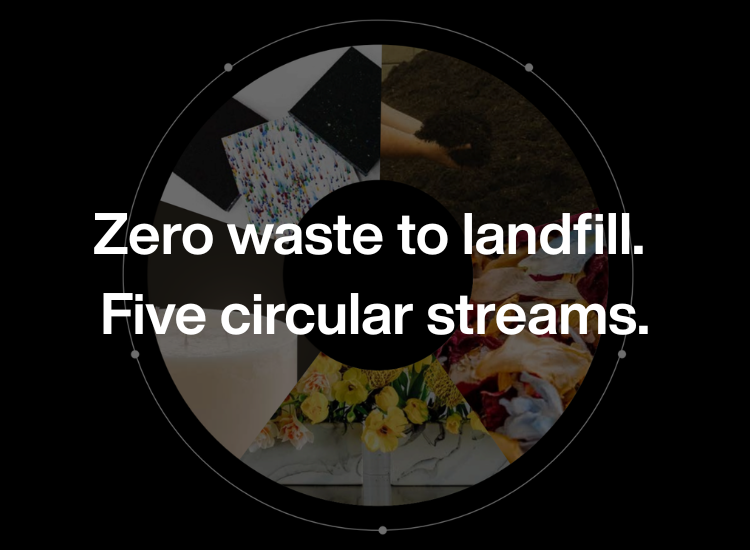
Working with nature and protecting the environment are central to how we operate at Blooming Haus. Our sustainable practices include using green energy to power our studio, composting organic waste, operating a fully electric vehicle fleet, reusing flower buckets and delivery packaging, and using probiotic cleaning products.
We also know how important trees are to the environment: Do Trees Improve Air Quality in Urban Areas?
Through our partnerships with Ecologi, The National Forest, Woodland Trust, and Trees for Cities, we plant hundreds of trees in the UK and internationally. Every time you buy something from our shop, we fund a tree to be planted in your name.
We also know how important trees are to the environment: Do Trees Improve Air Quality in Urban Areas?
Through our partnerships with Ecologi, The National Forest, Woodland Trust, and Trees for Cities, we plant hundreds of trees in the UK and internationally. Every time you buy something from our shop, we fund a tree to be planted in your name.
3. The Principles of Growing an Organic Garden
There are several principles behind creating an organic garden. Five of these form the main framework. Understanding them helps clarify what to do and what to avoid.

Creating healthy soil
Healthy soil is the foundation of successful organic gardening. Poor soil means poor plants. To build and maintain the health of the soil in your garden: add compost you’ve created yourself following tips from the RSPB; minimise digging to protect complex soil life; and grow green manures such as alfalfa, fenugreek, and buckwheat.

Encouraging biodiversity
Including different species encourages interdependency between plants and wildlife. A biodiverse environment with a variety of vegetables, flowers, shrubs, and trees provides food and shelter for insects, birds, and mammals – creating natural balance while also making the garden itself more varied and interesting.

Using resources sustainably
Organic growers reduce waste and reuse and recycle wherever possible. This sustainable use of resources is a principle we apply directly at Blooming Haus. Every aspect of our design process promotes sustainability: we recycle and reuse materials, and we reduce waste by giving away our displays when commercial projects are complete.
We also fund a tree to be planted in the name of all wedding clients we work with, and one to be planted each year we work with ongoing corporate clients. Get in touch to learn more about our sustainable floral design practice.
We also fund a tree to be planted in the name of all wedding clients we work with, and one to be planted each year we work with ongoing corporate clients. Get in touch to learn more about our sustainable floral design practice.

Avoiding chemicals that can damage the environment
Toxic weedkillers have no place in organic gardening because chemicals damage the health of the soil and the birds and animals that inhabit your outdoor space. Pesticides cause the same problems – these synthetic solutions pollute the environment and adversely affect valuable pollinators such as bees and butterflies.

Keeping your garden healthy
Keeping the growing area healthy is one of the most important organic growing principles. The health of an organic garden is protected by keeping the soil in good condition, sourcing healthy plants, practising good hygiene, and watching for problems – such as the leaf damage shown below – so they can be addressed promptly.

Understanding these principles is the first step to becoming an organic gardener. The next step is ensuring you have the right tools and resources in place.
4. What Do You Need for an Organic Garden?
Starting out as an organic gardener means investing in the basics. Your shopping list should include: organic seeds, a container for compost, eco-friendly plant containers, earthworms, plants, a watering can, trowel, spade, hoe, fork, and organic fertiliser if you’re not going to make your own.

Limited on space? Vertical gardening is worth considering as a way of making the most of what you have.
How much does an organic garden cost?
Like any garden, costs vary significantly depending on scale. That said, you should be able to start your garden for as little as £40, with a maximum cost of around £1,150 for the basics. Ongoing costs tend to be low, as natural methods of fertilisation and pest protection largely replace purchased products over time.
5. Getting Started Growing an Organic Garden
Getting started with growing an organic garden is more straightforward than it can seem. The core cycle is simple: you feed the soil, the soil feeds the plants, the plants feed you. Organic gardening is accessible at any age and with any level of prior experience.

Test the soil
Before planting anything, test the soil in your garden. A DIY testing kit or a laboratory sample will give you valuable information about its condition and pH. The Royal Horticultural Society has a useful guide to soil testing and why it matters.

Create a compost heap or bin
Well-made compost is central to a successful organic garden. Once established, a heap or bin provides an excellent source of organic matter that boosts biological activity, improves plant health, and helps suppress disease. The Soil Association provides practical guidance on how to get started.

Buy seeds and plants
If growing from seed, choose certified organic seeds – this should be indicated on the packet. If you prefer transplants, ensure they have been raised organically.
It’s also worth considering companion planting when making your selections. This involves growing plants together that benefit each other – helping to prevent disease and deter pests. It is most useful when growing vegetables, though some ornamentals such as roses also benefit.
Common combinations include beans with aphid-deterring nasturtiums, and alliums close to carrots to ward off carrot root fly. Gardeners World has a useful guide to companion planting combinations.
It’s also worth considering companion planting when making your selections. This involves growing plants together that benefit each other – helping to prevent disease and deter pests. It is most useful when growing vegetables, though some ornamentals such as roses also benefit.
Common combinations include beans with aphid-deterring nasturtiums, and alliums close to carrots to ward off carrot root fly. Gardeners World has a useful guide to companion planting combinations.

Plant your garden
Use a blend of around 60% topsoil and 40% compost when you begin planting. This gives your plants the ideal combination of minerals and organic matter.
For those new to organic gardening, raised beds make growing and harvesting more manageable. Build them on bare ground to allow worms to colonise naturally and water to drain freely. Pots work well too, provided they have sufficient drainage holes – though the soil will need replacing every two years to maintain nutrient levels.
Group plants tightly to reduce water waste and weeding. Leave spaces between rows to allow air to circulate and reduce the risk of fungal problems. Think ahead when planting – consider how much growth to expect and whether thinning will be needed to prevent overshadowing.
For those new to organic gardening, raised beds make growing and harvesting more manageable. Build them on bare ground to allow worms to colonise naturally and water to drain freely. Pots work well too, provided they have sufficient drainage holes – though the soil will need replacing every two years to maintain nutrient levels.
Group plants tightly to reduce water waste and weeding. Leave spaces between rows to allow air to circulate and reduce the risk of fungal problems. Think ahead when planting – consider how much growth to expect and whether thinning will be needed to prevent overshadowing.

Water your garden
Water plants in the morning, when less will be lost to evaporation. Watering later in the day leaves plants damp overnight, making them more susceptible to fungal and bacterial disease. Always water at the roots and keep water away from foliage where possible.
If growing from seed, water daily until plants are established. Once they are, watering once or twice a week encourages deeper root development.
Tip: Use rainwater or water close to air temperature to reduce the risk of shock to foliage.
If growing from seed, water daily until plants are established. Once they are, watering once or twice a week encourages deeper root development.
Tip: Use rainwater or water close to air temperature to reduce the risk of shock to foliage.

Keep weeds under control
Some weeds can be tolerated in an organic garden as they attract pollinators, but some control is necessary to prevent them from smothering other plants. Mulch reduces the likelihood of weeds establishing, but manual removal will still be needed. Removing weeds as soon as they appear – by hand or with a hoe – is considerably easier than dealing with established growth.
Garden Organic has further advice on managing weeds organically.
Garden Organic has further advice on managing weeds organically.

Protect your organic garden from pests naturally
A pest problem can be a sign of issues with your plants – check that they have sufficient nutrients, light, and water. A diverse garden will also attract natural predators such as frogs, bats, and birds that help keep damaging pest populations in check. The ladybird is particularly valuable in this regard, feeding on aphids. Companion planting and netting are also effective deterrents.
For more detail on natural pest control: Did You Know You Can Use Plants as Natural Pest Control in Your Garden?
For more detail on natural pest control: Did You Know You Can Use Plants as Natural Pest Control in Your Garden?

Pay attention to sanitation
Keeping your organic garden free from debris promotes healthy growth. Remove sickly and dead plants promptly, and avoid working in the garden when plants are wet, as doing so can spread disease.

Keep a close eye on your garden
Check your garden daily rather than assuming all is well if left unattended. Leaves are a reliable indicator: examine them for insect eggs and signs of distress including brown edges, black or white spots, curling, or yellowing. Identifying problems early gives you a significantly better chance of resolving them.

Once you’ve begun growing an organic garden, continuous care is essential. The tips in the next section will help you maintain it successfully.
6. Tips for Growing an Organic Garden
The following organic gardening tips will help you sustain your garden and improve results over time.

Rotate what you plant
Growing the same crop in the same spot each year depletes essential nutrients from the soil, which in turn creates conditions where pests and diseases can increase. Rotating crops helps prevent this. Certain crops – such as potatoes, with their dense foliage – also help suppress weed seedlings by blocking light.

Make use of mulch
Mulch is one of the most effective tools available to organic gardeners. It mimics what happens naturally in woodland when leaves fall and cover the ground in autumn – suppressing weeds, conserving moisture, and feeding the soil simultaneously. Options include leafmould, rotted manure, and homemade compost.

Watch out for slugs and snails
Slug and snail populations vary from year to year. When control is necessary, avoid pellets containing metaldehyde – these are dangerous to hedgehogs and other wildlife. Organic pellets are a safer alternative, as are wooden pellets designed to deter slugs and snails. Some organic gardeners also use copper tape around pots as a deterrent.

For further advice on organic gardening, the RHS and Gardeners World websites are both well-resourced starting points.
7. Other Journal Entries You May Find Useful