

Protecting Insects with Wildflowers – Your Evergreen Guide
This guide explores why insects matter, which wildflowers best support them, and how even a modest garden can contribute to their protection.
How to Help the Insects in Your Garden
1. Why Are Insects Important in the UK?
2. Why Should We Help Insects?
3. How Do Wildflowers Help Insects?
4. What Wildflowers Attract Bees and Butterflies?
5. Other UK Insects That Wildflowers Help
6. How to Identify Wildflowers
7. What Else Can You Do to Protect Insects?
8. Related Reading
2. Why Should We Help Insects?
3. How Do Wildflowers Help Insects?
4. What Wildflowers Attract Bees and Butterflies?
5. Other UK Insects That Wildflowers Help
6. How to Identify Wildflowers
7. What Else Can You Do to Protect Insects?
8. Related Reading
1. Why Are Insects Important in the UK?
Insects are remarkable in their own right, and the landscape would be unrecognisable without bees and butterflies. But their importance extends far beyond aesthetics.
Insects are vital to the ecosystem of the planet. They form a critical part of the diet of birds, fish, frogs, hedgehogs, and bats — meaning other wildlife is also at risk if species like wasps, beetles, and ants decline.
Insects are vital to the ecosystem of the planet. They form a critical part of the diet of birds, fish, frogs, hedgehogs, and bats — meaning other wildlife is also at risk if species like wasps, beetles, and ants decline.

Many insects are also pollinators. They carry pollen from flower to flower, transferring it from the male part of the flower (the anther) to the female part (the stigma). This process is essential, allowing plants to fertilise and produce seeds.
Some plants self-pollinate, and others rely on wind and rain. But many depend entirely on insect pollination — including plants that provide food we eat, such as strawberries, apples, raspberries, and peas.
The term “pollinator” is most commonly associated with bees and butterflies, but there are actually over 1,500 insect pollinators in the UK. This list from Countryfile is a useful identification resource.
Some plants self-pollinate, and others rely on wind and rain. But many depend entirely on insect pollination — including plants that provide food we eat, such as strawberries, apples, raspberries, and peas.
The term “pollinator” is most commonly associated with bees and butterflies, but there are actually over 1,500 insect pollinators in the UK. This list from Countryfile is a useful identification resource.

Given their role in pollination, pest control, and the broader food chain, the decline of insect populations has far-reaching consequences. The sections that follow explore why this decline is happening, how wildflowers can help, and which species to plant.
2. Why Should We Help Insects?
Buglife and Kent Wildlife Trust carried out the Bugs Matter Citizen Science Survey, asking participants to count the number of insects on their vehicle number plates and comparing results with a similar survey from 2004. The findings indicated a 58.5% reduction in flying insects in the UK between 2004 and 2021. The full survey report provides further detail.
This measured only a small section of the overall insect population, but it reflects a wider trend: research suggests that around 40% of the world’s insect population could become extinct within a few decades.
This measured only a small section of the overall insect population, but it reflects a wider trend: research suggests that around 40% of the world’s insect population could become extinct within a few decades.

If this happens, plants relying on insects for pollination will become less productive or stop producing altogether. Animals that eat insects will struggle to survive, and there will be fewer insect larvae to feed on dead plants and animals and keep the environment clean.
There are many reasons for the decline in insect numbers, including the use of pesticides and fertilisers, habitat loss, and atmospheric pollution.
There are many reasons for the decline in insect numbers, including the use of pesticides and fertilisers, habitat loss, and atmospheric pollution.

The encouraging news is that we can protect insects and help them thrive — and wildflowers have a critical role to play.
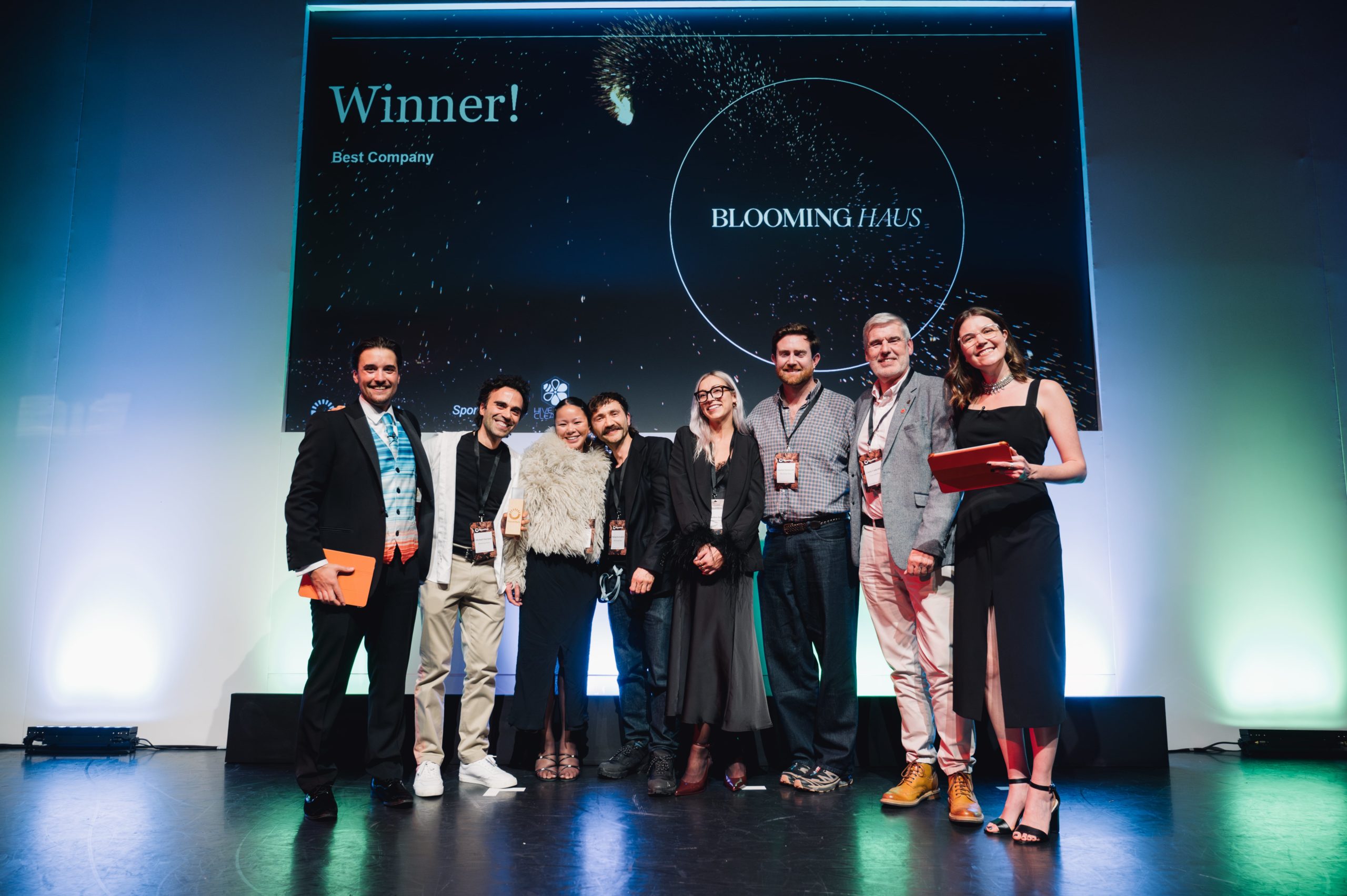
Blooming Haus works with the invertebrate protection organisation Buglife as part of the B-Lines initiative, which aims to create insect pathways across rural and urban areas by developing wildflower-rich habitats that act as stepping stones between existing wildlife areas.
Blooming Haus works with the invertebrate protection organisation Buglife as part of the B-Lines initiative, which aims to create insect pathways across rural and urban areas by developing wildflower-rich habitats that act as stepping stones between existing wildlife areas.
Blooming Haus also partners with Ecologi, The National Forest, and the Woodland Trust. With every purchase, a tree is funded and planted — tackling climate change and protecting habitats for wildlife, including insects.
3. How Do Wildflowers Help Insects?
The primary benefit wildflowers provide to insects is food. Pollinators visit flowers to feed on nectar (a sugary liquid that provides energy) and pollen (which provides protein and nutrients).
In summer, an acre of wildflower meadow containing around three million flowers can produce approximately one kilogram of nectar sugar — enough to support around 96,000 honey bees daily. Pollinators also carry pollen between plants in the process, making the relationship mutually beneficial.
Wildflowers also provide food for predatory insects like ladybirds and hoverflies, which feed on pests such as aphids.
In summer, an acre of wildflower meadow containing around three million flowers can produce approximately one kilogram of nectar sugar — enough to support around 96,000 honey bees daily. Pollinators also carry pollen between plants in the process, making the relationship mutually beneficial.
Wildflowers also provide food for predatory insects like ladybirds and hoverflies, which feed on pests such as aphids.

Beyond supporting insects directly, wildflower root systems stabilise soil and reduce the risk of flooding. Some flowers, like foxgloves, have recognised medicinal properties, and grassland soils sequester carbon and reduce greenhouse gases.
The challenge is that the UK has lost 97% of its wildflower meadows since the 1930s. Planting more wildflowers — particularly those that attract bees and butterflies — is one of the most impactful steps gardeners can take.
The challenge is that the UK has lost 97% of its wildflower meadows since the 1930s. Planting more wildflowers — particularly those that attract bees and butterflies — is one of the most impactful steps gardeners can take.

4. What Wildflowers Attract Bees and Butterflies?
While honeybee populations in the UK are relatively stable, many other species are not. The UK has lost 13 bee species entirely, with another 35 at risk — particularly wild solitary bees and bumblebees.
Butterflies face similar pressures. Species like the swallowtail and grizzled skipper are classified as vulnerable, while others, such as the high brown fritillary, are endangered. The Butterfly Conservation red list provides a full overview of species at risk.
Planting wildflowers that specifically attract and nourish these species is one of the most direct ways to support them. The following are among the most effective choices for a UK garden.
Butterflies face similar pressures. Species like the swallowtail and grizzled skipper are classified as vulnerable, while others, such as the high brown fritillary, are endangered. The Butterfly Conservation red list provides a full overview of species at risk.
Planting wildflowers that specifically attract and nourish these species is one of the most direct ways to support them. The following are among the most effective choices for a UK garden.

Bluebell
These perennial bulbs produce bell-shaped flowers with a sweet aroma, making them a valued addition to any garden. Bees are particularly drawn to them, and they benefit butterflies as well. Bluebells grow well along hedgerows or under trees and bloom from May to September.

Foxglove
Foxgloves are tall, hardy perennials that thrive in sun but tolerate shade. They self-seed freely, so they replenish naturally. The tubular blooms are especially popular with long-tongued bumblebees, which can easily access the nectar within. Foxgloves bloom from June to September.

Comfrey
Comfrey is a hardy perennial that grows well in a herbaceous border and will thrive in almost any garden, though it prefers damp spaces. Its long flowering period — May to August — makes it a reliable food source and a favourite of bumblebees.

Clover
In summer, any patch of white or purple clover will be alive with the sound of bees. Red clover blooms are particularly popular with both rare and common bumblebee species, and the plants are ideal for wilder areas of the garden. Red clover blooms from May to September; white clover from April to October.

Greater Knapweed
Greater knapweed produces thistle-like flowers that are a magnet for bees and butterflies alike. Common in wildflower meadows, it also grows well in a herbaceous border. Greater knapweed blooms from June to September.

Wood Anemone
An ancient woodland plant, wood anemone produces white star-shaped flowers with a green centre and yellow stamens. It blooms early — February to May — and tolerates both shade and sunlight, making it a versatile and easy addition to any garden.

Buddleia
Often called the butterfly bush, buddleia earns its name through a rich nectar supply that attracts an array of native British butterfly species. It thrives in sunny or partially shaded areas and blooms from July to October.

English Lavender
A familiar feature of British gardens in summer, English lavender’s blooms attract various native butterfly species as an excellent food source. Lavender thrives in full sun and well-drained soil, blooming from June to mid-August.
Common Lilac
Plant common lilac in spring or autumn, choosing an area in full sun with well-drained soil. It blooms in May and June, providing a rich source of nectar for butterflies. Deadheading spent flowers encourages the maximum number of blooms.

Stinging Nettles
Nettles may seem an unlikely garden addition, but they are a vital food source for the caterpillars of several butterfly species, including red admiral, small tortoiseshell, painted lady, and comma. Maintaining a patch of nettles — cut back regularly to encourage fresh growth — directly supports local butterfly populations.

When choosing wildflowers for bees and butterflies, it is also worth considering which other insects will benefit from the same plantings.
5. Other UK Insects That Wildflowers Help
Wildflowers like yarrow benefit a range of insects beyond bees and butterflies. Considering which species to support can help inform planting choices.

Ladybirds
There are more than 40 species of ladybird beetle in the UK, and many prey on aphids and other pests, providing natural garden pest control. One species that most needs support is the native seven-spot, which faces competition for food from the invasive harlequin ladybird (arrived in the UK in 2004). Growing plants with pollen-rich blooms, such as yarrow, fennel, and dill, provides much-needed sustenance.
For more on natural pest management, see Using Plants for Natural Pest Control in Your Garden.
For more on natural pest management, see Using Plants for Natural Pest Control in Your Garden.

Hoverflies
Britain has more than 6,000 species of fly, of which more than 280 are hoverflies. Despite their bee- or wasp-like striped markings, hoverflies do not bite or sting. Their larvae are predators that recycle organic matter in gardens, while the adults are pollinators — making them doubly valuable.
Hoverflies are drawn to knapweed, fennel, and ivy. Allowing a lawn to grow slightly longer, encouraging dandelions and buttercups, will also attract them.
Hoverflies are drawn to knapweed, fennel, and ivy. Allowing a lawn to grow slightly longer, encouraging dandelions and buttercups, will also attract them.

Parasitic Wasps
Parasitic wasps are effective at controlling garden pests. The female uses a specialised ovipositor to lay eggs inside host insects; when the larvae hatch, they consume the host from within. While the process is not pleasant to contemplate, it is remarkably effective at controlling pests such as tomato hornworms, cabbage loopers, and cabbage worms — supporting organic gardening practices.
Some parasitic wasps are attracted to nectar and pollen from plants such as dill and fennel, while others feed on aphids directly. A diverse wildflower planting will help attract them.
Some parasitic wasps are attracted to nectar and pollen from plants such as dill and fennel, while others feed on aphids directly. A diverse wildflower planting will help attract them.

Image: Gardening Know How
Lacewings
While adult lacewings consume some garden pests, it is the larvae that are most effective — feeding on greenfly, blackfly, and whitefly. A single lacewing larva can eat 200 aphids in a week. To attract them, plant dill, sweet alyssum, yarrow, and verbena.

6. How to Identify Wildflowers
Wildflowers have been part of the UK landscape for centuries, and there are more than 1,800 species across the country. While you should never harvest plants from the wild, growing your own wildflowers is straightforward — and being able to identify species will help you make informed planting choices.

Common species like yarrow, buttercups, and bluebells are widely recognised, but many others are less familiar. This seasonal wildflower guide from Countryfile is a helpful starting point, covering identification and flowering times throughout the year.

The free PlantNet plant identification app, available on Google Play and the Apple App Store, is another useful resource for anyone planning a wildflower garden.
For those who are drawn to the idea of protecting insects with wildflowers but lack the space or time to grow their own, organisations like Buglife offer opportunities to get involved.
For those who are drawn to the idea of protecting insects with wildflowers but lack the space or time to grow their own, organisations like Buglife offer opportunities to get involved.
7. What Else Can You Do to Protect Insects?
Growing and supporting wildflowers is one of the most impactful steps, but there are additional measures that make a meaningful difference.

Eliminate Pesticide Use
Pesticides kill beneficial insects alongside pests, pollute soil, and can contaminate water supplies. They can also be damaging to human health. Reducing or eliminating their use — and gardening organically instead — is one of the most significant steps any gardener can take.

Limit Exterior Lighting
Most nocturnal insects are attracted to artificial lights, which can lead to exhaustion and death. This is one reason nocturnal moths in Europe are declining more quickly than butterflies active during the day. Artificial lighting also disrupts other wildlife, including bats and birds. The Natural History Museum provides further information on the effects of light pollution.

Reduce Run-Off from Buildings and Vehicles
When washing the exterior of a home or vehicle, the chemicals and debris in run-off water can harm insects. Using biodegradable soaps helps reduce this impact while still keeping surfaces clean.

Advocate for Insects
Many people are unaware of the benefits insects provide, or actively view them as pests. Sharing knowledge about their ecological importance — in conversation, in communities, and through supporting conservation organisations — helps shift perception and build broader support for their protection.

Build a Bug Hotel
Insects need safe spaces to shelter and reproduce, protected from predators and the elements. A bug hotel provides exactly this, and building one can be a straightforward and rewarding project. The Woodland Trust offers practical guidance for getting started.

For further reading on insect conservation, Friends of the Earth and Buglife are both excellent resources.
8. Related Reading