







How Can My Business Help Fight Climate Change in 2025?
Businesses have a different order of influence to individuals. Operations, supply chains, and
the working habits of entire teams collectively carry more weight than most individual
actions — and that creates a real opportunity to make sustainability count.
Below are eleven practical steps businesses can take to reduce their environmental impact, drawn from what we have implemented at Blooming Haus alongside wider industry practice.
Below are eleven practical steps businesses can take to reduce their environmental impact, drawn from what we have implemented at Blooming Haus alongside wider industry practice.
Green Business Practices to Fight Climate Change
1. Use Renewable Energy Technology
2. Switch to a Green Energy Supplier
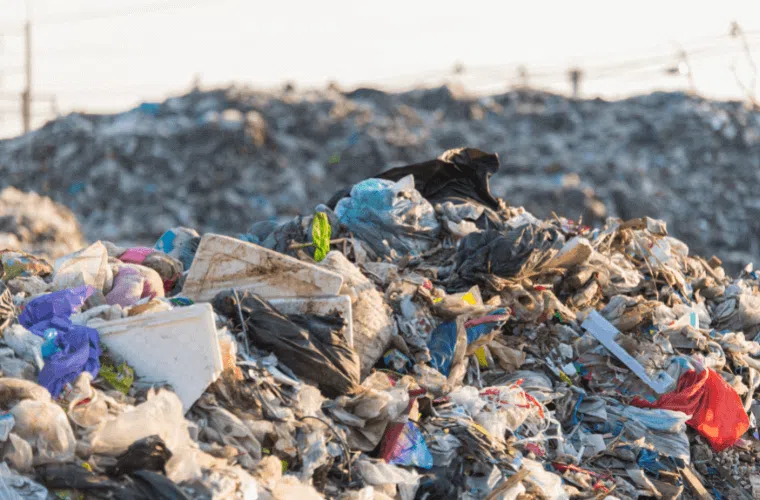
3. Recycle and Reuse Materials
4. Use Appliances with a Good Energy Rating
5. Adopt Hybrid Working Practices
6. Use Low-Flow Water Fixtures and Fittings
7. Encourage Employees to Adopt Sustainable Habits
8. Install Occupancy Sensors to Reduce Lighting Usage
9. Create a Tree-Planting Scheme
10. Get Involved with Community Projects
11. Look to Local Small Businesses for Supplies and Solutions
2. Switch to a Green Energy Supplier
3. Recycle and Reuse Materials
4. Use Appliances with a Good Energy Rating
5. Adopt Hybrid Working Practices
6. Use Low-Flow Water Fixtures and Fittings
7. Encourage Employees to Adopt Sustainable Habits
8. Install Occupancy Sensors to Reduce Lighting Usage
9. Create a Tree-Planting Scheme
10. Get Involved with Community Projects
11. Look to Local Small Businesses for Supplies and Solutions
Businesses that embed sustainability tend to reduce costs, strengthen their supply chains, and
attract clients and employees who share those values. The steps below are drawn from direct
experience and are achievable at most scales.
1. Use Renewable Energy Technology
Fossil fuels remain one of the largest contributors to climate change — which makes energy
one of the highest-impact areas a business can address. In 2025, the transition to cleaner
energy is well advanced, with more accessible options than at any previous point.
There are three routes to ditching fossil fuels:
1. Request a green tariff from one of the main energy suppliers.
2. Switch to a specialist green energy supplier.
3. Produce your own.
Zero Carbon Business — switching to renewable energy.
The benefits of using renewable energy include no harmful byproducts, stable energy prices, fewer or no carbon emissions, increased consumer and investor confidence, greater appeal to buyers building a greener supply chain, and preparedness for future legislation.
There are three routes to ditching fossil fuels:
1. Request a green tariff from one of the main energy suppliers.
2. Switch to a specialist green energy supplier.
3. Produce your own.
Zero Carbon Business — switching to renewable energy.
The benefits of using renewable energy include no harmful byproducts, stable energy prices, fewer or no carbon emissions, increased consumer and investor confidence, greater appeal to buyers building a greener supply chain, and preparedness for future legislation.
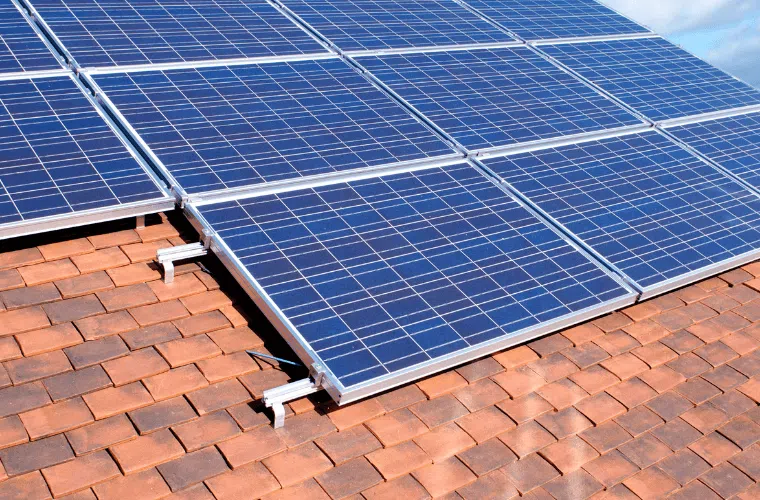
For businesses considering producing their own energy via solar panels, heat pumps, or wind
turbines, the key factors to weigh are business size, energy needs, location (including
planning permission requirements), and whether your premises are owned or leased.
Long-term savings generally offset upfront installation costs. Businesses can also sell surplus energy back to the National Grid under the Smart Export Guarantee (SEG).
As demand for renewable technology grows, installation costs continue to fall.
Long-term savings generally offset upfront installation costs. Businesses can also sell surplus energy back to the National Grid under the Smart Export Guarantee (SEG).
As demand for renewable technology grows, installation costs continue to fall.
2. Switch to a Green Energy Supplier
If on-site energy production is not an option, switching to a dedicated green energy supplier
is a straightforward alternative.
Specialist providers include:
Ecotricity
Green Energy UK
Octopus Energy
Good Energy
Each sources 100% of its supply from renewable sources — wind, solar, or biomass. We switched to a green supplier at Blooming Haus and found the process straightforward, with rates that now compare favourably with conventional tariffs.
Specialist providers include:
Ecotricity
Green Energy UK
Octopus Energy
Good Energy
Each sources 100% of its supply from renewable sources — wind, solar, or biomass. We switched to a green supplier at Blooming Haus and found the process straightforward, with rates that now compare favourably with conventional tariffs.
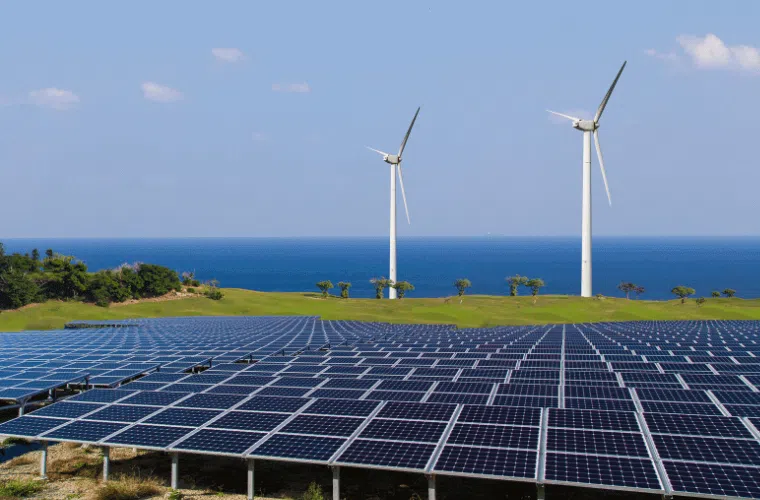
The UK’s main suppliers also offer green tariffs, though these tend to rely more heavily on
carbon credits or offsetting rather than direct renewable sourcing. When evaluating any
provider, check the “fuel mix” information to confirm what proportion of supply comes from
renewable sources.
3. Recycle and Reuse Materials
A recycling strategy reduces landfill, cuts fuel consumption, and lowers the energy required
to produce new materials. At Blooming Haus, our approach includes recycling cardboard
packaging received from suppliers, reusing and returning flower buckets and delivery packaging,
and composting all organic waste.
Beyond environmental impact, a visible recycling commitment also strengthens a business’s corporate social responsibility profile — which research suggests influences both customer choice and employee recruitment.
Beyond environmental impact, a visible recycling commitment also strengthens a business’s corporate social responsibility profile — which research suggests influences both customer choice and employee recruitment.
4. Use Appliances with a Good Energy Rating
Businesses using appliances such as fridges, freezers, and washing machines will find that
energy-efficient models reduce both running costs and emissions.
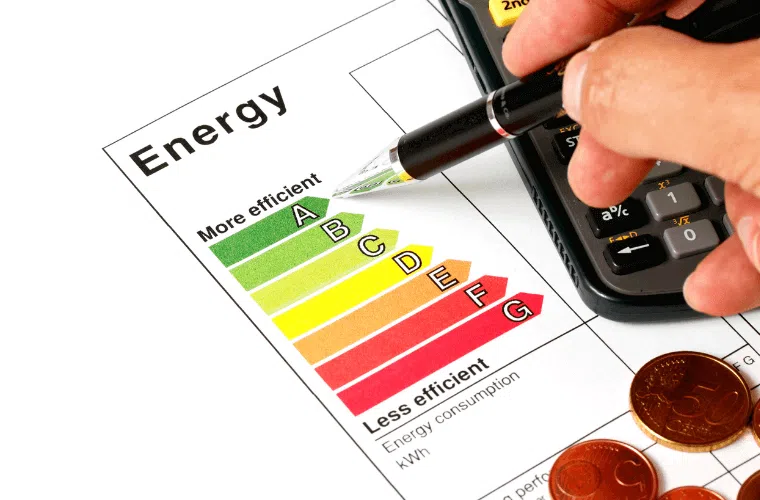
In 2020, the UK government introduced updated energy efficiency labels. The new ratings run from A (most efficient) to G (least efficient). The previous scale ran from A+++ to G — so appliances formerly rated A+++ may now appear as B or C under the updated system. This does not indicate poor performance; the scale was reset because new technology has significantly raised the baseline of what’s achievable.
In practice: the higher the rating, the more energy-efficient the appliance and the lower the associated operating costs.
In 2020, the UK government introduced updated energy efficiency labels. The new ratings run from A (most efficient) to G (least efficient). The previous scale ran from A+++ to G — so appliances formerly rated A+++ may now appear as B or C under the updated system. This does not indicate poor performance; the scale was reset because new technology has significantly raised the baseline of what’s achievable.
In practice: the higher the rating, the more energy-efficient the appliance and the lower the associated operating costs.
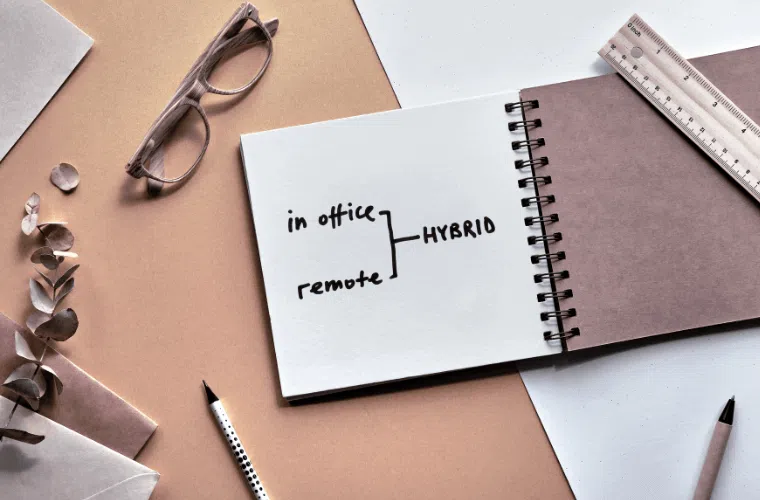
5. Adopt Hybrid Working Practices
Hybrid working reduces commuting, which directly lowers a business’s carbon
footprint. Fewer staff travelling into the office daily means fewer cars and public transport
journeys — and for London-based businesses in particular, fewer commuters translates into
measurable emissions savings.
A hybrid model also reduces the amount of office space required, cutting both costs and the energy needed to run and heat the building.
At Blooming Haus, a large part of our marketing department works on a hybrid basis. It reduces our footprint, reduces overheads, and is well-suited to roles where remote working is practical. Hybrid working also tends to be valued by employees — which matters when attracting and retaining good people.
A hybrid model also reduces the amount of office space required, cutting both costs and the energy needed to run and heat the building.
At Blooming Haus, a large part of our marketing department works on a hybrid basis. It reduces our footprint, reduces overheads, and is well-suited to roles where remote working is practical. Hybrid working also tends to be valued by employees — which matters when attracting and retaining good people.
6. Use Low-Flow Water Fixtures and Fittings
Low-flow fixtures — toilets, taps, and showerheads — use significantly less
water than traditional alternatives without any reduction in performance.
Water is one of the most wasted resources globally. For businesses with premises where water consumption is high, the change is straightforward and the impact on usage is immediate. Installing low-flow fixtures also reduces hot water consumption, which lowers heating costs.
At Blooming Haus, we introduced low-flow fixtures across our premises and found the reduction in water usage more significant than anticipated. The fixtures are available in various styles and finishes, making them suitable for any setting.
Water is one of the most wasted resources globally. For businesses with premises where water consumption is high, the change is straightforward and the impact on usage is immediate. Installing low-flow fixtures also reduces hot water consumption, which lowers heating costs.
At Blooming Haus, we introduced low-flow fixtures across our premises and found the reduction in water usage more significant than anticipated. The fixtures are available in various styles and finishes, making them suitable for any setting.

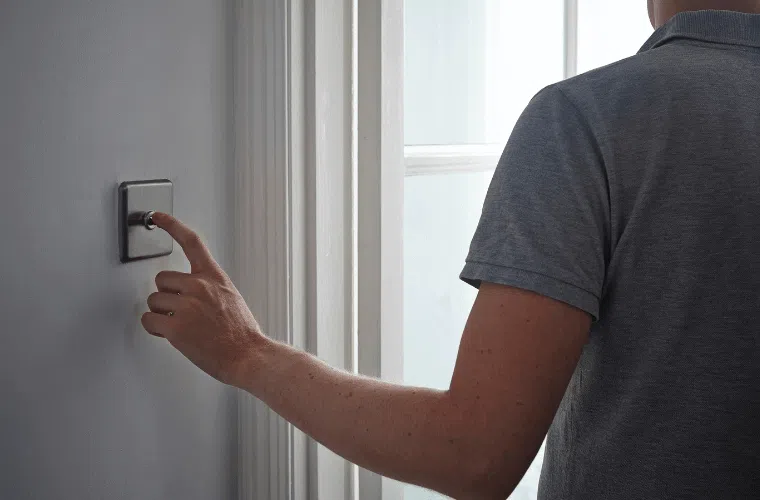
7. Encourage Employees to Adopt Sustainable Habits
The cumulative effect of small habits across a workforce adds up. Encouraging employees to
rideshare, establishing processes for proper waste disposal, introducing reusable cups, and
discouraging single-use plastics are all low-friction starting points.
Businesses can go further by arranging team participation in community environmental projects and involving employees in sustainability planning — which tends to generate more consistent buy-in than policy alone.
Simple habits matter too: switching off computers at the end of the day rather than leaving them on standby, turning off lights in unoccupied rooms, and printing only when necessary. For businesses that want to formalise this, creating an internal training programme or enabling staff to take nationally recognised sustainability qualifications are both effective routes.
Businesses can go further by arranging team participation in community environmental projects and involving employees in sustainability planning — which tends to generate more consistent buy-in than policy alone.
Simple habits matter too: switching off computers at the end of the day rather than leaving them on standby, turning off lights in unoccupied rooms, and printing only when necessary. For businesses that want to formalise this, creating an internal training programme or enabling staff to take nationally recognised sustainability qualifications are both effective routes.

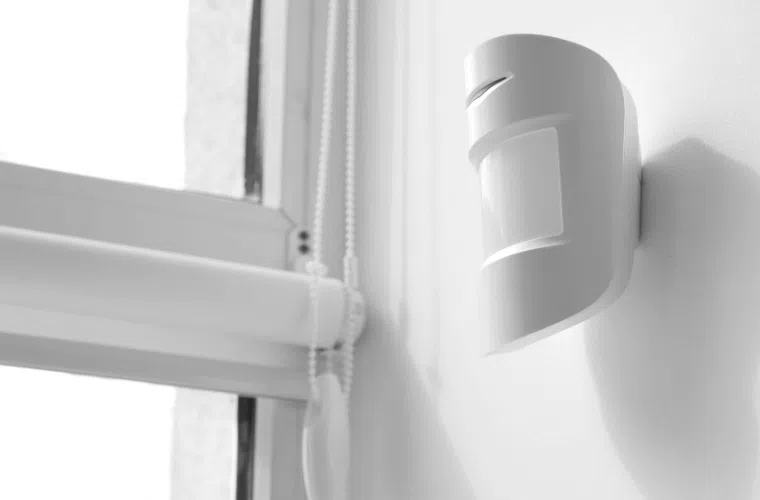
8. Install Occupancy Sensors to Reduce Lighting Usage
Occupancy sensor technology uses motion detectors to identify when a space is
unoccupied and automatically turns off lighting through the building management system. When
someone enters the room, the sensors trigger the lights back on.
Systems are available across several technologies — infrared, microwave, and ultrasonic — but all operate on the same principle: the building uses only as much lighting as is required at any given moment.
The result is a reduction in energy consumption, a lower carbon footprint, and reduced electricity costs — with no additional effort required from building occupants.
Systems are available across several technologies — infrared, microwave, and ultrasonic — but all operate on the same principle: the building uses only as much lighting as is required at any given moment.
The result is a reduction in energy consumption, a lower carbon footprint, and reduced electricity costs — with no additional effort required from building occupants.
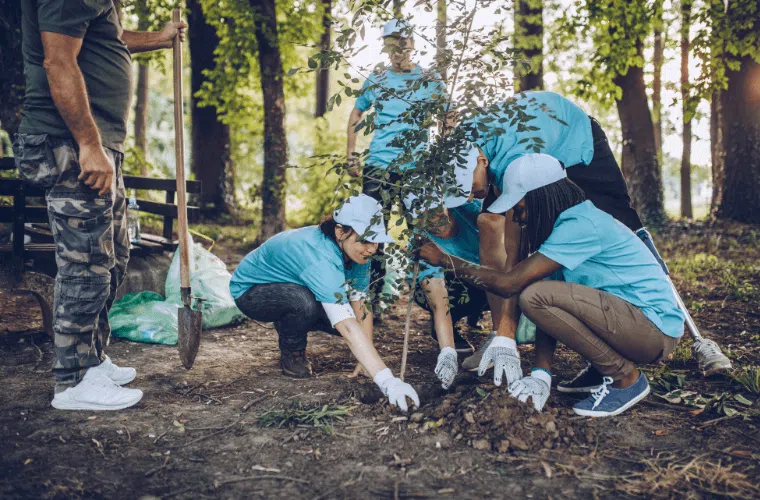
9. Create a Tree-Planting Scheme
Trees capture carbon from the atmosphere through photosynthesis and store it — making
tree-planting one of the most direct contributions a business can make to reducing its
carbon footprint. Individual trees matter: collectively, they lock up significant volumes of
carbon over time.
Businesses with sufficient land can plant directly on their own property. Those without can work with the local council, relevant charities, or national schemes.
Businesses with sufficient land can plant directly on their own property. Those without can work with the local council, relevant charities, or national schemes.
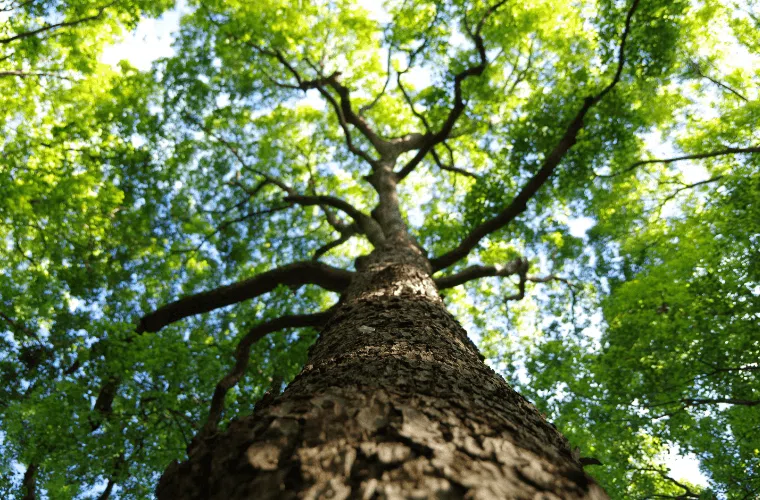
At Blooming Haus, we have planted hundreds of trees through our partnerships with
Woodland Trust and
National Forest.
Each time we complete a wedding or corporate project, we arrange for a tree to be planted in
the client’s name within the National Forest.
10. Get Involved with Community Projects
Community environmental projects offer businesses a practical way to contribute locally while
building relationships and demonstrating genuine commitment to sustainability.
Examples include planting native gardens, creating habitats for insects and pollinators, establishing butterfly gardens, planting trees in local schools, and placing bird nesting boxes around the area.
Clean-up projects — removing plastics from parks and water sources — are another option, with the added benefit of demonstrating community responsibility in a visible, tangible way. Fundraising for environmental causes is a further avenue worth considering.
Examples include planting native gardens, creating habitats for insects and pollinators, establishing butterfly gardens, planting trees in local schools, and placing bird nesting boxes around the area.
Clean-up projects — removing plastics from parks and water sources — are another option, with the added benefit of demonstrating community responsibility in a visible, tangible way. Fundraising for environmental causes is a further avenue worth considering.

11. Look to Local Small Businesses for Supplies and Solutions
Sourcing from local businesses reduces the need for long-distance transportation, which
directly lowers the carbon footprint of your supply chain. It also keeps spending within the
community and tends to generate closer, more reliable working relationships.
At Blooming Haus, our London deliveries are handled by Quiver, a local courier company that has saved over 11,068kg of CO₂ to date.
At Blooming Haus, our London deliveries are handled by Quiver, a local courier company that has saved over 11,068kg of CO₂ to date.


Working with local suppliers also strengthens the neighbourhood economy — keeping spending
within local businesses rather than directing it to large corporations.
Corporate Flowers That Don’t Compromise Sustainability
Flowers are a proven tool for building brand presence and customer loyalty at events and in
commercial spaces. For businesses with sustainability commitments, the question is whether
they can be used without contradiction.
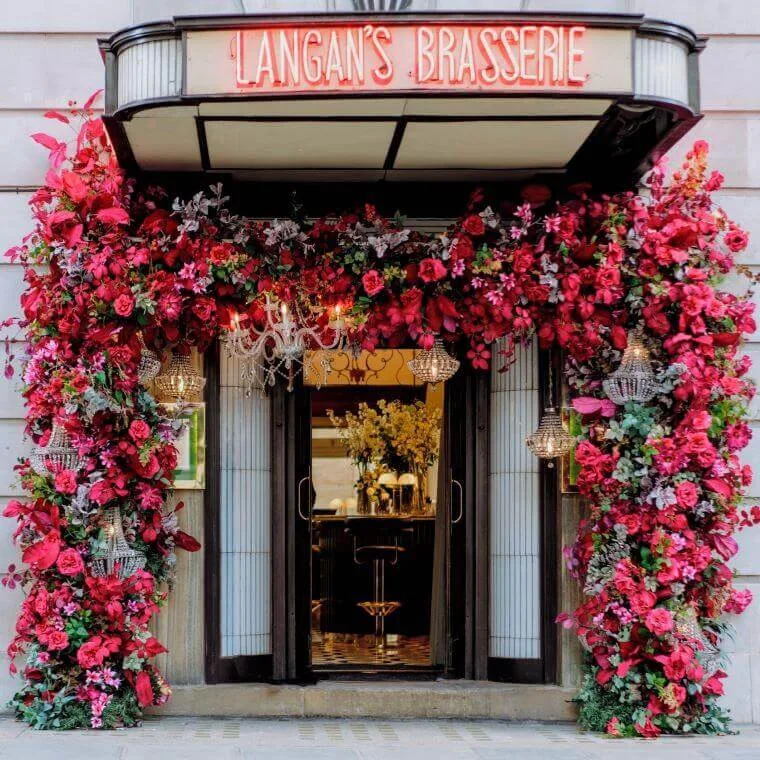
At Blooming Haus, sustainability is embedded in how we operate — from green energy and low-flow fixtures through to local suppliers and our tree-planting programme. Our corporate and event floristry is designed on the same basis.
At Blooming Haus, sustainability is embedded in how we operate — from green energy and low-flow fixtures through to local suppliers and our tree-planting programme. Our corporate and event floristry is designed on the same basis.

Further Reading
You may also like: