

The Impact of Floral Foam on Our Environment & Suggested Green Alternatives
For years, floral foam has been a significant environmental problem in our industry, contributing to the growing crisis of microplastic pollution. Despite this, many florists continue to rely heavily on it.
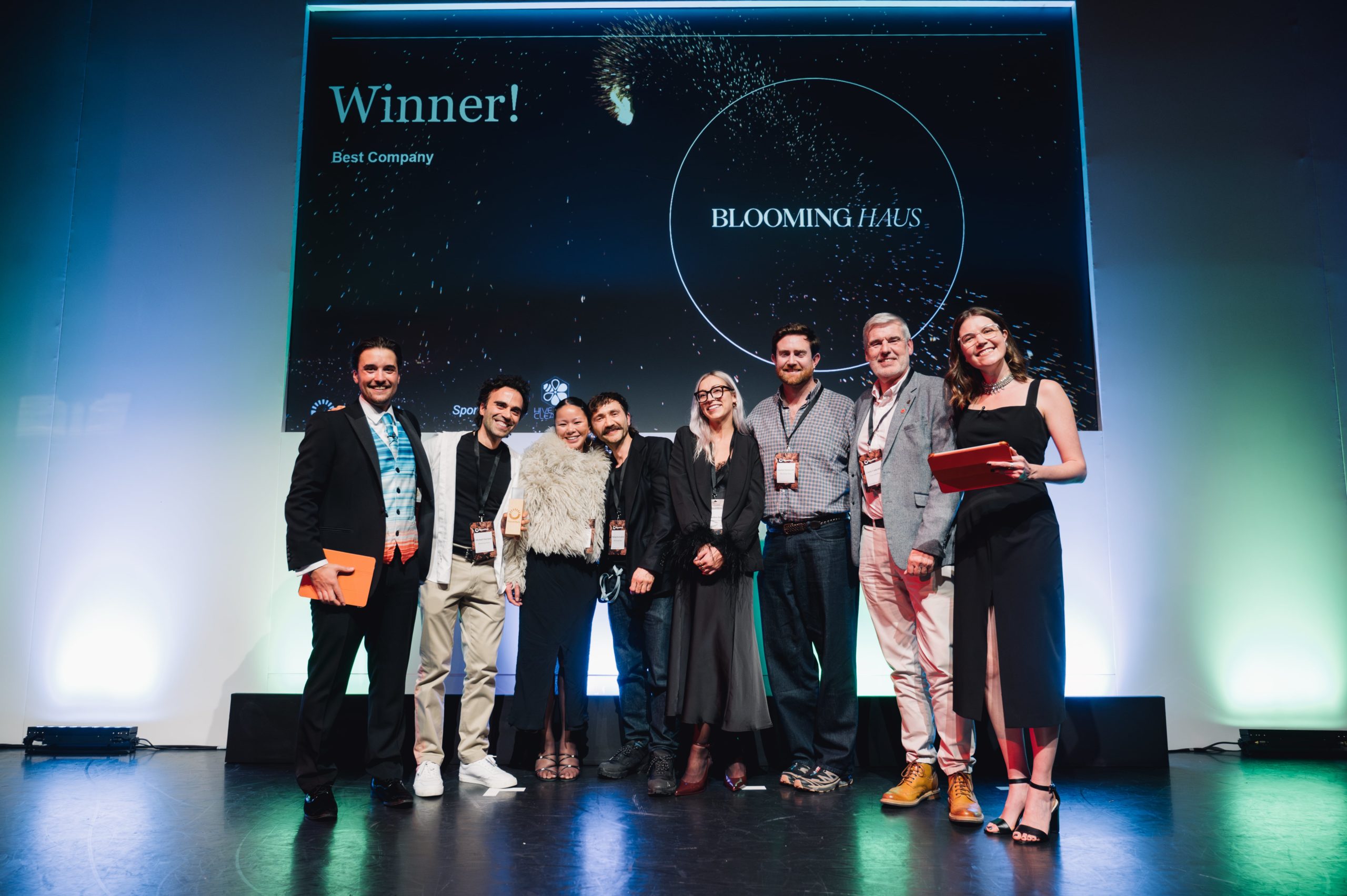
As the world’s first florist to achieve both Planet Mark and B Corp certification, we are committed to finding and supporting alternatives. We understand exactly how harmful floral foam can be – and change is coming, thanks to innovative companies like PHOAM Labs.
To Summarise
- Floral foam is a single-use plastic that contains as much plastic as 10 carrier bags.
- Its use damages ecosystems and the health of wildlife.
- Green alternatives exist that protect both the planet and human wellbeing.
How Floral Foam Impacts the Planet
1. What Is Floral Foam?
Floral foam is a dense, lightweight, porous material invented in 1954 by the Smithers-Oasis company. Since then, it has been widely used by professional florists and amateur flower enthusiasts alike to support cut flowers, hold water, and keep stems fresh.
The foam is also pH balanced, maintaining optimum acidity levels so flowers last as long as possible.

For many years, these properties made it seem like an ideal material. That changed as evidence emerged about the damage it causes. Its toxicity and inability to decompose are issues that can no longer be ignored.
2. How Does Floral Foam Work?
Floral foam has a honeycomb-like structure. Water moves through the material via the spaces between connected chambers – a system that functions similarly to how water travels through a flower stem.

Image credit: sustainablefloristry.com
When a stem is cut from a plant and placed in water, moisture enters where the cut has been made and is drawn upward as evaporation occurs on the surface of the flowers and leaves. Without this process, the cut flower wilts. Floral foam acts as an extension to the stem, holding a reliable supply of water for absorption.

Image credit: sustainablefloristry.com
The system works effectively – but the environmental damage caused by floral foam far outweighs its practical benefits.
3. What Is Wrong with Floral Foam?
Floral foam looks natural enough – green in colour and slightly moss-like to the touch. Given its functional qualities, it is easy to assume it is a benign material.
Floral foam is plastic.
Not the same type found in packaging – it is more similar to insulation foam. But it contains the same amount of plastic as 10 plastic carrier bags, and it is just as damaging to the environment.

Floral foam is made from carbon black, formaldehyde, and phenolic foam – a toxic combination of components.

Although the product crumbles easily, it does not fully dissolve or degrade. It breaks down into tiny pieces known as microplastics, polluting the earth and water systems.
Is floral foam biodegradable?
It may seem as though this material would decompose easily, given how readily it pulls apart. Unfortunately, this is not the case. It is a plastic material that degrades with light, heat, and friction – but this simply breaks it into microplastics smaller than five millimetres.
These microplastics take thousands of years to decompose completely. In the meantime, they are easily spread, polluting water sources, harming wildlife, and ultimately entering the food chain.
4. Is Floral Foam Toxic?
The components that make up floral foam – formaldehyde, barium sulphates, and carbon black – each carry levels of toxicity individually. Combined, they form a hazardous material.

Exposure to floral foam can cause irritation to the eyes, skin, and respiratory tract, particularly when dust or fumes are inhaled while handling the product. Frequent exposure to formaldehyde can cause the skin to become hypersensitive, often leading to contact dermatitis – an uncomfortable condition characterised by itchy, dry, scaly, and cracked skin, and in some cases, bumps and blisters.

Image credit: healthline.com
Is floral foam carcinogenic?
Formaldehyde’s effects extend beyond skin irritation. The U.S. Environmental Protection Agency (EPA) has classified it as a probable human carcinogen, and several studies have found that prolonged exposure is associated with certain forms of cancer.
Is floral foam safe to touch?
Occasional contact is unlikely to cause harm. However, the formaldehyde content means that frequent handling can lead to contact dermatitis and other sensitivities. For professional florists working with the material daily, this is a real occupational concern.
5. Is Floral Foam Banned?
Floral foam remains legal and widely available. There is no outright ban in place. However, some organisations are beginning to recognise the dangers of the microplastics it creates.

In January 2020, the Royal Horticultural Society announced it was banning the product. Since 2023, floral foam has not been permitted at RHS shows, meaning designers participating in events such as the RHS Chelsea Flower Show have had to develop alternative methods for creating their displays.

This ban has been a positive development for the industry, accelerating the development of eco-friendly products and techniques. The Church of England is also facing pressure to ban floral foam in funeral arrangements, though this has not yet been implemented.
As momentum builds, we expect more institutions will follow. Effective, sustainable alternatives already exist – there is no reason to continue using a material that causes such measurable harm.
6. Green Alternatives to Floral Foam
Bio Floral Foam
Several bio-based foams are now emerging, but we want to highlight PHOAM Labs in particular. Their patented floral foam bricks use a compostable polylactide (PLA) foam – a biobased material derived from corn that is fully renewable within a twelve-month cycle. Designed to function as both wet and dry foam, it offers a non-toxic, fully functional alternative to traditional floral foam.
Safe for Designers
PHOAM Labs’ floral foam is free from microplastics and harmful chemicals, creating a safer working environment for florists and their teams. PLA is a sustainable, renewable material – a meaningful improvement over the formaldehyde-based products it replaces.
Less Waste
Engineered to be compostable, PHOAM Labs’ foam is designed to break down naturally, reducing waste across the floral industry. Made from natural sources, it degrades and returns to the earth rather than persisting as microplastics for thousands of years.
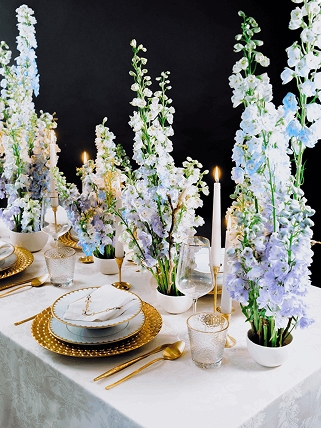
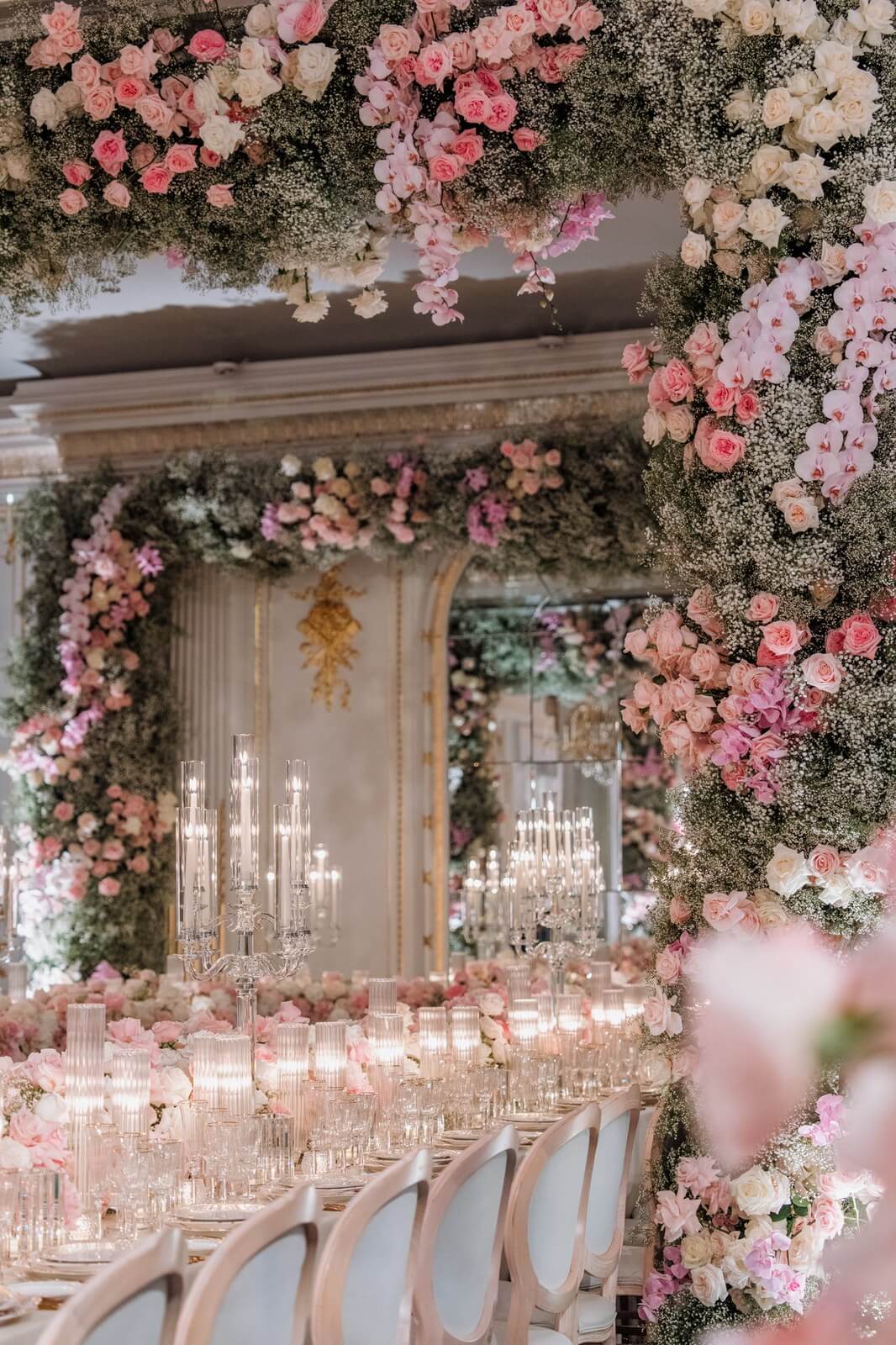
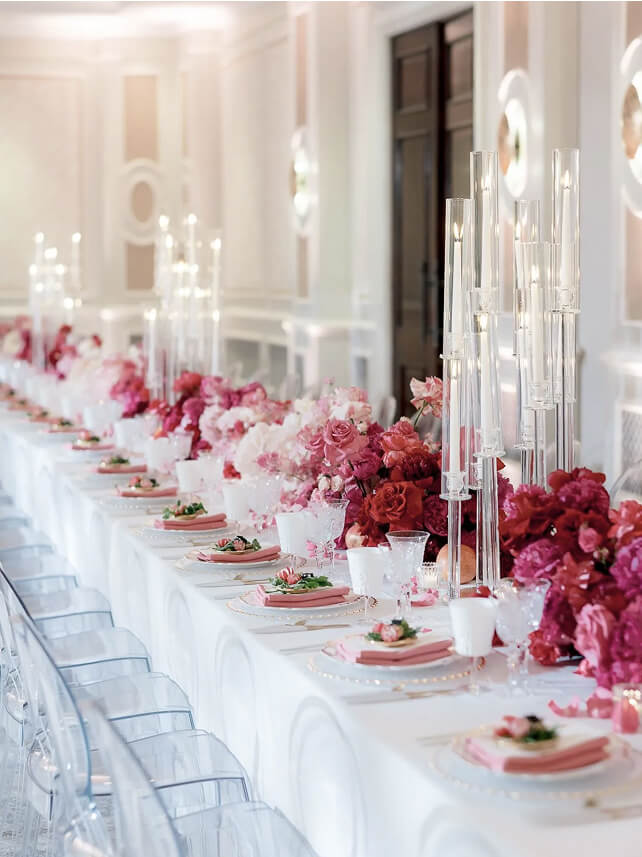
We received early prototypes of PHOAM Labs’ bio-based foam and have been sharing feedback to help refine the product as it approaches its final stages of development. Below are two of our designs using their eco-friendly foam.


The choice of alternative ultimately depends on the specific design and the creativity of the florist. At Blooming Haus, we often replace floral foam with flexible natural materials, reusable water vessels, chicken wire, and kenzans (also known as floral frogs). These sustainable alternatives allow for innovative, eco-friendly arrangements without compromising the structure or aesthetics of the design.
7. Floral Creations from a Sustainable Floral Designer
At Blooming Haus, our commitment to sustainability extends well beyond avoiding floral foam. It is an integral part of everything we do.

Flowers by Blooming Haus
Our sustainable practices include:
- Using green forms of energy to power our studio
- Composting organic waste rather than sending it to landfill
- Avoiding materials that cannot be composted
- Reusing flower buckets and delivery packaging
- Recycling packaging wherever possible
- Sourcing flowers from local suppliers to limit our carbon footprint
- Using probiotic cleaning products
Visit our sustainability page to learn more.
We also partner with like-minded organisations such as PHOAM Labs, and for every commercial or wedding floral design project we complete, we arrange for a tree to be planted – meaning our clients contribute to environmental restoration alongside receiving their designs.

Flowers by Blooming Haus
Browse our online shop for eco-friendly floral designs, or get in touch if you are planning sustainable floristry for a corporate event or wedding.
Related Journal Entries