

Spring Weddings: What Flowers are in Season?
Sweet peas
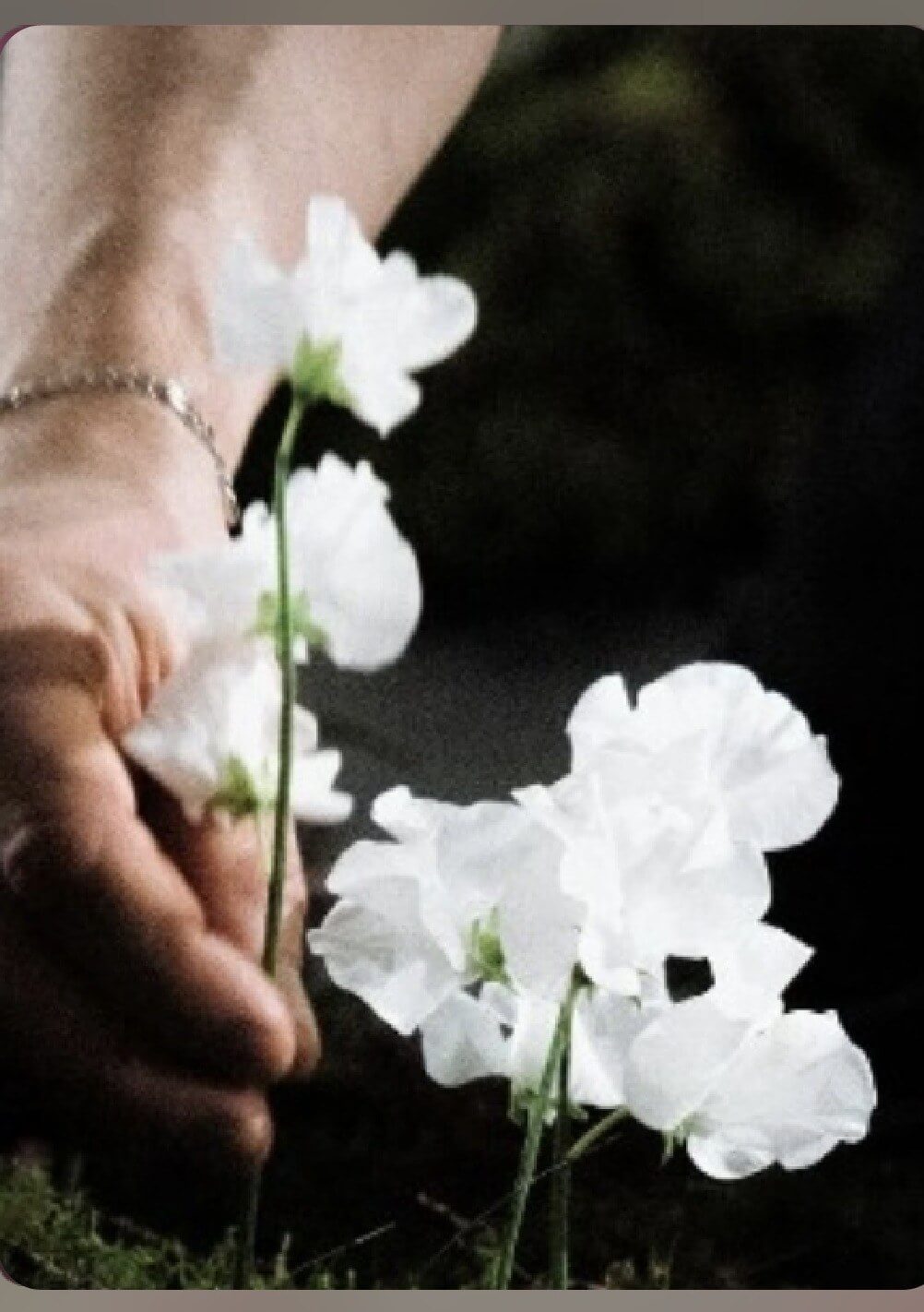
Sweet peas symbolise delicacy and, despite their slender form, have a fragrance that carries well in a bouquet. As a filler flower, they contribute more to the overall character of an arrangement than their scale might suggest.
These are some of our spring favourites, but the season offers plenty of other varieties that work well in wedding arrangements. Get in touch and we can discuss how to bring the right combination together for your day. For further inspiration, the wedding flowers section of our site is a good starting point, as are Wedding Chicks and Style Me Pretty.
Baby’s breath
Baby’s breath (gypsophila) is a classic filler and a natural choice for garlands and floral crowns. The more unusual wild varieties, available through your florist, offer more variation in shape and colour than the standard white form.
Sweet peas
Sweet peas symbolise delicacy and, despite their slender form, have a fragrance that carries well in a bouquet. As a filler flower, they contribute more to the overall character of an arrangement than their scale might suggest.
These are some of our spring favourites, but the season offers plenty of other varieties that work well in wedding arrangements. Get in touch and we can discuss how to bring the right combination together for your day. For further inspiration, the wedding flowers section of our site is a good starting point, as are Wedding Chicks and Style Me Pretty.
Astilbe
Astilbe is typically used as a filler flower, but its feathery, plume-like blooms do more than fill space — they soften the edges of an arrangement and add a delicate texture that works well against fuller focal flowers. It symbolises dedication.
Baby’s breath
Baby’s breath (gypsophila) is a classic filler and a natural choice for garlands and floral crowns. The more unusual wild varieties, available through your florist, offer more variation in shape and colour than the standard white form.
Sweet peas
Sweet peas symbolise delicacy and, despite their slender form, have a fragrance that carries well in a bouquet. As a filler flower, they contribute more to the overall character of an arrangement than their scale might suggest.
These are some of our spring favourites, but the season offers plenty of other varieties that work well in wedding arrangements. Get in touch and we can discuss how to bring the right combination together for your day. For further inspiration, the wedding flowers section of our site is a good starting point, as are Wedding Chicks and Style Me Pretty.
Elevate Your Arrangement
Astilbe
Astilbe is typically used as a filler flower, but its feathery, plume-like blooms do more than fill space — they soften the edges of an arrangement and add a delicate texture that works well against fuller focal flowers. It symbolises dedication.
Baby’s breath
Baby’s breath (gypsophila) is a classic filler and a natural choice for garlands and floral crowns. The more unusual wild varieties, available through your florist, offer more variation in shape and colour than the standard white form.
Sweet peas
Sweet peas symbolise delicacy and, despite their slender form, have a fragrance that carries well in a bouquet. As a filler flower, they contribute more to the overall character of an arrangement than their scale might suggest.
These are some of our spring favourites, but the season offers plenty of other varieties that work well in wedding arrangements. Get in touch and we can discuss how to bring the right combination together for your day. For further inspiration, the wedding flowers section of our site is a good starting point, as are Wedding Chicks and Style Me Pretty.
Lilacs
Lilacs bring both colour and scent to a spring wedding bouquet, which makes them relatively unusual among the options available. Their pastel tones complement a wide range of schemes, and the symbolism shifts by shade: blue for peace and happiness, magenta for passion, lilac itself for first love.
Elevate Your Arrangement
Astilbe
Astilbe is typically used as a filler flower, but its feathery, plume-like blooms do more than fill space — they soften the edges of an arrangement and add a delicate texture that works well against fuller focal flowers. It symbolises dedication.
Baby’s breath
Baby’s breath (gypsophila) is a classic filler and a natural choice for garlands and floral crowns. The more unusual wild varieties, available through your florist, offer more variation in shape and colour than the standard white form.
Sweet peas
Sweet peas symbolise delicacy and, despite their slender form, have a fragrance that carries well in a bouquet. As a filler flower, they contribute more to the overall character of an arrangement than their scale might suggest.
These are some of our spring favourites, but the season offers plenty of other varieties that work well in wedding arrangements. Get in touch and we can discuss how to bring the right combination together for your day. For further inspiration, the wedding flowers section of our site is a good starting point, as are Wedding Chicks and Style Me Pretty.

Lilacs
Lilacs bring both colour and scent to a spring wedding bouquet, which makes them relatively unusual among the options available. Their pastel tones complement a wide range of schemes, and the symbolism shifts by shade: blue for peace and happiness, magenta for passion, lilac itself for first love.
Elevate Your Arrangement
Astilbe
Astilbe is typically used as a filler flower, but its feathery, plume-like blooms do more than fill space — they soften the edges of an arrangement and add a delicate texture that works well against fuller focal flowers. It symbolises dedication.
Baby’s breath
Baby’s breath (gypsophila) is a classic filler and a natural choice for garlands and floral crowns. The more unusual wild varieties, available through your florist, offer more variation in shape and colour than the standard white form.
Sweet peas
Sweet peas symbolise delicacy and, despite their slender form, have a fragrance that carries well in a bouquet. As a filler flower, they contribute more to the overall character of an arrangement than their scale might suggest.
These are some of our spring favourites, but the season offers plenty of other varieties that work well in wedding arrangements. Get in touch and we can discuss how to bring the right combination together for your day. For further inspiration, the wedding flowers section of our site is a good starting point, as are Wedding Chicks and Style Me Pretty.
Forget-me-nots
Forget-me-nots (Myosotis sylvatica) begin blooming in spring and often continue into summer. The flower head is made up of very small clusters of blue petals with a yellow centre — the yellow offering more pairing possibilities than the blue alone, particularly alongside the warmer-toned spring varieties.
Lilacs
Lilacs bring both colour and scent to a spring wedding bouquet, which makes them relatively unusual among the options available. Their pastel tones complement a wide range of schemes, and the symbolism shifts by shade: blue for peace and happiness, magenta for passion, lilac itself for first love.
Elevate Your Arrangement
Astilbe
Astilbe is typically used as a filler flower, but its feathery, plume-like blooms do more than fill space — they soften the edges of an arrangement and add a delicate texture that works well against fuller focal flowers. It symbolises dedication.
Baby’s breath
Baby’s breath (gypsophila) is a classic filler and a natural choice for garlands and floral crowns. The more unusual wild varieties, available through your florist, offer more variation in shape and colour than the standard white form.
Sweet peas
Sweet peas symbolise delicacy and, despite their slender form, have a fragrance that carries well in a bouquet. As a filler flower, they contribute more to the overall character of an arrangement than their scale might suggest.
These are some of our spring favourites, but the season offers plenty of other varieties that work well in wedding arrangements. Get in touch and we can discuss how to bring the right combination together for your day. For further inspiration, the wedding flowers section of our site is a good starting point, as are Wedding Chicks and Style Me Pretty.

Forget-me-nots
Forget-me-nots (Myosotis sylvatica) begin blooming in spring and often continue into summer. The flower head is made up of very small clusters of blue petals with a yellow centre — the yellow offering more pairing possibilities than the blue alone, particularly alongside the warmer-toned spring varieties.
Lilacs
Lilacs bring both colour and scent to a spring wedding bouquet, which makes them relatively unusual among the options available. Their pastel tones complement a wide range of schemes, and the symbolism shifts by shade: blue for peace and happiness, magenta for passion, lilac itself for first love.
Elevate Your Arrangement
Astilbe
Astilbe is typically used as a filler flower, but its feathery, plume-like blooms do more than fill space — they soften the edges of an arrangement and add a delicate texture that works well against fuller focal flowers. It symbolises dedication.
Baby’s breath
Baby’s breath (gypsophila) is a classic filler and a natural choice for garlands and floral crowns. The more unusual wild varieties, available through your florist, offer more variation in shape and colour than the standard white form.
Sweet peas
Sweet peas symbolise delicacy and, despite their slender form, have a fragrance that carries well in a bouquet. As a filler flower, they contribute more to the overall character of an arrangement than their scale might suggest.
These are some of our spring favourites, but the season offers plenty of other varieties that work well in wedding arrangements. Get in touch and we can discuss how to bring the right combination together for your day. For further inspiration, the wedding flowers section of our site is a good starting point, as are Wedding Chicks and Style Me Pretty.
Muscari
Also known as grape hyacinth — though not a true hyacinth — muscari grow in dense blue clusters that hang from a slender stem. They peak in spring and are associated with confidence and tranquillity. Their concentrated colour and compact scale make them well suited to bouquets where they provide depth without mass.
Forget-me-nots
Forget-me-nots (Myosotis sylvatica) begin blooming in spring and often continue into summer. The flower head is made up of very small clusters of blue petals with a yellow centre — the yellow offering more pairing possibilities than the blue alone, particularly alongside the warmer-toned spring varieties.
Lilacs
Lilacs bring both colour and scent to a spring wedding bouquet, which makes them relatively unusual among the options available. Their pastel tones complement a wide range of schemes, and the symbolism shifts by shade: blue for peace and happiness, magenta for passion, lilac itself for first love.
Elevate Your Arrangement
Astilbe
Astilbe is typically used as a filler flower, but its feathery, plume-like blooms do more than fill space — they soften the edges of an arrangement and add a delicate texture that works well against fuller focal flowers. It symbolises dedication.
Baby’s breath
Baby’s breath (gypsophila) is a classic filler and a natural choice for garlands and floral crowns. The more unusual wild varieties, available through your florist, offer more variation in shape and colour than the standard white form.
Sweet peas
Sweet peas symbolise delicacy and, despite their slender form, have a fragrance that carries well in a bouquet. As a filler flower, they contribute more to the overall character of an arrangement than their scale might suggest.
These are some of our spring favourites, but the season offers plenty of other varieties that work well in wedding arrangements. Get in touch and we can discuss how to bring the right combination together for your day. For further inspiration, the wedding flowers section of our site is a good starting point, as are Wedding Chicks and Style Me Pretty.
Peonies
Peonies are a spring staple, and their symbolism — prosperity and a long, happy marriage — makes them a natural choice for a wedding. They bloom in shades of pink, red and cream, and their fuller, softer form offers a natural counterpoint to the more structured or vivid arrangements described above.
Muscari
Also known as grape hyacinth — though not a true hyacinth — muscari grow in dense blue clusters that hang from a slender stem. They peak in spring and are associated with confidence and tranquillity. Their concentrated colour and compact scale make them well suited to bouquets where they provide depth without mass.
Forget-me-nots
Forget-me-nots (Myosotis sylvatica) begin blooming in spring and often continue into summer. The flower head is made up of very small clusters of blue petals with a yellow centre — the yellow offering more pairing possibilities than the blue alone, particularly alongside the warmer-toned spring varieties.
Lilacs
Lilacs bring both colour and scent to a spring wedding bouquet, which makes them relatively unusual among the options available. Their pastel tones complement a wide range of schemes, and the symbolism shifts by shade: blue for peace and happiness, magenta for passion, lilac itself for first love.
Elevate Your Arrangement
Astilbe
Astilbe is typically used as a filler flower, but its feathery, plume-like blooms do more than fill space — they soften the edges of an arrangement and add a delicate texture that works well against fuller focal flowers. It symbolises dedication.
Baby’s breath
Baby’s breath (gypsophila) is a classic filler and a natural choice for garlands and floral crowns. The more unusual wild varieties, available through your florist, offer more variation in shape and colour than the standard white form.
Sweet peas
Sweet peas symbolise delicacy and, despite their slender form, have a fragrance that carries well in a bouquet. As a filler flower, they contribute more to the overall character of an arrangement than their scale might suggest.
These are some of our spring favourites, but the season offers plenty of other varieties that work well in wedding arrangements. Get in touch and we can discuss how to bring the right combination together for your day. For further inspiration, the wedding flowers section of our site is a good starting point, as are Wedding Chicks and Style Me Pretty.
Pastel Blues, Purples and Pinks
Peonies
Peonies are a spring staple, and their symbolism — prosperity and a long, happy marriage — makes them a natural choice for a wedding. They bloom in shades of pink, red and cream, and their fuller, softer form offers a natural counterpoint to the more structured or vivid arrangements described above.
Muscari
Also known as grape hyacinth — though not a true hyacinth — muscari grow in dense blue clusters that hang from a slender stem. They peak in spring and are associated with confidence and tranquillity. Their concentrated colour and compact scale make them well suited to bouquets where they provide depth without mass.
Forget-me-nots
Forget-me-nots (Myosotis sylvatica) begin blooming in spring and often continue into summer. The flower head is made up of very small clusters of blue petals with a yellow centre — the yellow offering more pairing possibilities than the blue alone, particularly alongside the warmer-toned spring varieties.
Lilacs
Lilacs bring both colour and scent to a spring wedding bouquet, which makes them relatively unusual among the options available. Their pastel tones complement a wide range of schemes, and the symbolism shifts by shade: blue for peace and happiness, magenta for passion, lilac itself for first love.
Elevate Your Arrangement
Astilbe
Astilbe is typically used as a filler flower, but its feathery, plume-like blooms do more than fill space — they soften the edges of an arrangement and add a delicate texture that works well against fuller focal flowers. It symbolises dedication.
Baby’s breath
Baby’s breath (gypsophila) is a classic filler and a natural choice for garlands and floral crowns. The more unusual wild varieties, available through your florist, offer more variation in shape and colour than the standard white form.
Sweet peas
Sweet peas symbolise delicacy and, despite their slender form, have a fragrance that carries well in a bouquet. As a filler flower, they contribute more to the overall character of an arrangement than their scale might suggest.
These are some of our spring favourites, but the season offers plenty of other varieties that work well in wedding arrangements. Get in touch and we can discuss how to bring the right combination together for your day. For further inspiration, the wedding flowers section of our site is a good starting point, as are Wedding Chicks and Style Me Pretty.

Pastel Blues, Purples and Pinks
Peonies
Peonies are a spring staple, and their symbolism — prosperity and a long, happy marriage — makes them a natural choice for a wedding. They bloom in shades of pink, red and cream, and their fuller, softer form offers a natural counterpoint to the more structured or vivid arrangements described above.
Muscari
Also known as grape hyacinth — though not a true hyacinth — muscari grow in dense blue clusters that hang from a slender stem. They peak in spring and are associated with confidence and tranquillity. Their concentrated colour and compact scale make them well suited to bouquets where they provide depth without mass.
Forget-me-nots
Forget-me-nots (Myosotis sylvatica) begin blooming in spring and often continue into summer. The flower head is made up of very small clusters of blue petals with a yellow centre — the yellow offering more pairing possibilities than the blue alone, particularly alongside the warmer-toned spring varieties.
Lilacs
Lilacs bring both colour and scent to a spring wedding bouquet, which makes them relatively unusual among the options available. Their pastel tones complement a wide range of schemes, and the symbolism shifts by shade: blue for peace and happiness, magenta for passion, lilac itself for first love.
Elevate Your Arrangement
Astilbe
Astilbe is typically used as a filler flower, but its feathery, plume-like blooms do more than fill space — they soften the edges of an arrangement and add a delicate texture that works well against fuller focal flowers. It symbolises dedication.
Baby’s breath
Baby’s breath (gypsophila) is a classic filler and a natural choice for garlands and floral crowns. The more unusual wild varieties, available through your florist, offer more variation in shape and colour than the standard white form.
Sweet peas
Sweet peas symbolise delicacy and, despite their slender form, have a fragrance that carries well in a bouquet. As a filler flower, they contribute more to the overall character of an arrangement than their scale might suggest.
These are some of our spring favourites, but the season offers plenty of other varieties that work well in wedding arrangements. Get in touch and we can discuss how to bring the right combination together for your day. For further inspiration, the wedding flowers section of our site is a good starting point, as are Wedding Chicks and Style Me Pretty.
Forsythia
A member of the olive family, forsythia produces bright yellow blooms in dense clusters. In the Victorian language of flowers, it symbolised anticipation — fitting enough for a wedding day. With minimal foliage, forsythias are better suited to table arrangements than bouquets, but their distinctive form and strong colour make them a useful addition to spring wedding decor.
Pastel Blues, Purples and Pinks
Peonies
Peonies are a spring staple, and their symbolism — prosperity and a long, happy marriage — makes them a natural choice for a wedding. They bloom in shades of pink, red and cream, and their fuller, softer form offers a natural counterpoint to the more structured or vivid arrangements described above.
Muscari
Also known as grape hyacinth — though not a true hyacinth — muscari grow in dense blue clusters that hang from a slender stem. They peak in spring and are associated with confidence and tranquillity. Their concentrated colour and compact scale make them well suited to bouquets where they provide depth without mass.
Forget-me-nots
Forget-me-nots (Myosotis sylvatica) begin blooming in spring and often continue into summer. The flower head is made up of very small clusters of blue petals with a yellow centre — the yellow offering more pairing possibilities than the blue alone, particularly alongside the warmer-toned spring varieties.
Lilacs
Lilacs bring both colour and scent to a spring wedding bouquet, which makes them relatively unusual among the options available. Their pastel tones complement a wide range of schemes, and the symbolism shifts by shade: blue for peace and happiness, magenta for passion, lilac itself for first love.
Elevate Your Arrangement
Astilbe
Astilbe is typically used as a filler flower, but its feathery, plume-like blooms do more than fill space — they soften the edges of an arrangement and add a delicate texture that works well against fuller focal flowers. It symbolises dedication.
Baby’s breath
Baby’s breath (gypsophila) is a classic filler and a natural choice for garlands and floral crowns. The more unusual wild varieties, available through your florist, offer more variation in shape and colour than the standard white form.
Sweet peas
Sweet peas symbolise delicacy and, despite their slender form, have a fragrance that carries well in a bouquet. As a filler flower, they contribute more to the overall character of an arrangement than their scale might suggest.
These are some of our spring favourites, but the season offers plenty of other varieties that work well in wedding arrangements. Get in touch and we can discuss how to bring the right combination together for your day. For further inspiration, the wedding flowers section of our site is a good starting point, as are Wedding Chicks and Style Me Pretty.
Freesias
[Note to editor: the opening of this section was lost in a previous edit. The text below is a factually accurate reconstruction — please review and expand if you have the original copy.] Freesias are a versatile spring flower that integrate well into arrangements, thanks to the multiple buds growing along their stems. They are just as popular in corsages as in spring wedding bouquets, and their strong yellow colouring reads clearly in whatever arrangement they are included in.
Forsythia
A member of the olive family, forsythia produces bright yellow blooms in dense clusters. In the Victorian language of flowers, it symbolised anticipation — fitting enough for a wedding day. With minimal foliage, forsythias are better suited to table arrangements than bouquets, but their distinctive form and strong colour make them a useful addition to spring wedding decor.
Pastel Blues, Purples and Pinks
Peonies
Peonies are a spring staple, and their symbolism — prosperity and a long, happy marriage — makes them a natural choice for a wedding. They bloom in shades of pink, red and cream, and their fuller, softer form offers a natural counterpoint to the more structured or vivid arrangements described above.
Muscari
Also known as grape hyacinth — though not a true hyacinth — muscari grow in dense blue clusters that hang from a slender stem. They peak in spring and are associated with confidence and tranquillity. Their concentrated colour and compact scale make them well suited to bouquets where they provide depth without mass.
Forget-me-nots
Forget-me-nots (Myosotis sylvatica) begin blooming in spring and often continue into summer. The flower head is made up of very small clusters of blue petals with a yellow centre — the yellow offering more pairing possibilities than the blue alone, particularly alongside the warmer-toned spring varieties.
Lilacs
Lilacs bring both colour and scent to a spring wedding bouquet, which makes them relatively unusual among the options available. Their pastel tones complement a wide range of schemes, and the symbolism shifts by shade: blue for peace and happiness, magenta for passion, lilac itself for first love.
Elevate Your Arrangement
Astilbe
Astilbe is typically used as a filler flower, but its feathery, plume-like blooms do more than fill space — they soften the edges of an arrangement and add a delicate texture that works well against fuller focal flowers. It symbolises dedication.
Baby’s breath
Baby’s breath (gypsophila) is a classic filler and a natural choice for garlands and floral crowns. The more unusual wild varieties, available through your florist, offer more variation in shape and colour than the standard white form.
Sweet peas
Sweet peas symbolise delicacy and, despite their slender form, have a fragrance that carries well in a bouquet. As a filler flower, they contribute more to the overall character of an arrangement than their scale might suggest.
These are some of our spring favourites, but the season offers plenty of other varieties that work well in wedding arrangements. Get in touch and we can discuss how to bring the right combination together for your day. For further inspiration, the wedding flowers section of our site is a good starting point, as are Wedding Chicks and Style Me Pretty.
Daffodils
Daffodils (also known as narcissi) are strongly associated with the arrival of spring, and their symbolism — new starts, prosperity, and good fortune — translates well to a wedding context. They work in bridal bouquets and table centrepieces alike.
One longstanding note of caution: a single daffodil is traditionally considered an unlucky omen. Whatever the weight you place on superstition, they are best kept in groups.
One longstanding note of caution: a single daffodil is traditionally considered an unlucky omen. Whatever the weight you place on superstition, they are best kept in groups.
Freesias
[Note to editor: the opening of this section was lost in a previous edit. The text below is a factually accurate reconstruction — please review and expand if you have the original copy.] Freesias are a versatile spring flower that integrate well into arrangements, thanks to the multiple buds growing along their stems. They are just as popular in corsages as in spring wedding bouquets, and their strong yellow colouring reads clearly in whatever arrangement they are included in.
Forsythia
A member of the olive family, forsythia produces bright yellow blooms in dense clusters. In the Victorian language of flowers, it symbolised anticipation — fitting enough for a wedding day. With minimal foliage, forsythias are better suited to table arrangements than bouquets, but their distinctive form and strong colour make them a useful addition to spring wedding decor.
Pastel Blues, Purples and Pinks
Peonies
Peonies are a spring staple, and their symbolism — prosperity and a long, happy marriage — makes them a natural choice for a wedding. They bloom in shades of pink, red and cream, and their fuller, softer form offers a natural counterpoint to the more structured or vivid arrangements described above.
Muscari
Also known as grape hyacinth — though not a true hyacinth — muscari grow in dense blue clusters that hang from a slender stem. They peak in spring and are associated with confidence and tranquillity. Their concentrated colour and compact scale make them well suited to bouquets where they provide depth without mass.
Forget-me-nots
Forget-me-nots (Myosotis sylvatica) begin blooming in spring and often continue into summer. The flower head is made up of very small clusters of blue petals with a yellow centre — the yellow offering more pairing possibilities than the blue alone, particularly alongside the warmer-toned spring varieties.
Lilacs
Lilacs bring both colour and scent to a spring wedding bouquet, which makes them relatively unusual among the options available. Their pastel tones complement a wide range of schemes, and the symbolism shifts by shade: blue for peace and happiness, magenta for passion, lilac itself for first love.
Elevate Your Arrangement
Astilbe
Astilbe is typically used as a filler flower, but its feathery, plume-like blooms do more than fill space — they soften the edges of an arrangement and add a delicate texture that works well against fuller focal flowers. It symbolises dedication.
Baby’s breath
Baby’s breath (gypsophila) is a classic filler and a natural choice for garlands and floral crowns. The more unusual wild varieties, available through your florist, offer more variation in shape and colour than the standard white form.
Sweet peas
Sweet peas symbolise delicacy and, despite their slender form, have a fragrance that carries well in a bouquet. As a filler flower, they contribute more to the overall character of an arrangement than their scale might suggest.
These are some of our spring favourites, but the season offers plenty of other varieties that work well in wedding arrangements. Get in touch and we can discuss how to bring the right combination together for your day. For further inspiration, the wedding flowers section of our site is a good starting point, as are Wedding Chicks and Style Me Pretty.
Striking Yellow and White Flowers for Spring Weddings
Daffodils
Daffodils (also known as narcissi) are strongly associated with the arrival of spring, and their symbolism — new starts, prosperity, and good fortune — translates well to a wedding context. They work in bridal bouquets and table centrepieces alike.
One longstanding note of caution: a single daffodil is traditionally considered an unlucky omen. Whatever the weight you place on superstition, they are best kept in groups.
One longstanding note of caution: a single daffodil is traditionally considered an unlucky omen. Whatever the weight you place on superstition, they are best kept in groups.
Freesias
[Note to editor: the opening of this section was lost in a previous edit. The text below is a factually accurate reconstruction — please review and expand if you have the original copy.] Freesias are a versatile spring flower that integrate well into arrangements, thanks to the multiple buds growing along their stems. They are just as popular in corsages as in spring wedding bouquets, and their strong yellow colouring reads clearly in whatever arrangement they are included in.
Forsythia
A member of the olive family, forsythia produces bright yellow blooms in dense clusters. In the Victorian language of flowers, it symbolised anticipation — fitting enough for a wedding day. With minimal foliage, forsythias are better suited to table arrangements than bouquets, but their distinctive form and strong colour make them a useful addition to spring wedding decor.
Pastel Blues, Purples and Pinks
Peonies
Peonies are a spring staple, and their symbolism — prosperity and a long, happy marriage — makes them a natural choice for a wedding. They bloom in shades of pink, red and cream, and their fuller, softer form offers a natural counterpoint to the more structured or vivid arrangements described above.
Muscari
Also known as grape hyacinth — though not a true hyacinth — muscari grow in dense blue clusters that hang from a slender stem. They peak in spring and are associated with confidence and tranquillity. Their concentrated colour and compact scale make them well suited to bouquets where they provide depth without mass.
Forget-me-nots
Forget-me-nots (Myosotis sylvatica) begin blooming in spring and often continue into summer. The flower head is made up of very small clusters of blue petals with a yellow centre — the yellow offering more pairing possibilities than the blue alone, particularly alongside the warmer-toned spring varieties.
Lilacs
Lilacs bring both colour and scent to a spring wedding bouquet, which makes them relatively unusual among the options available. Their pastel tones complement a wide range of schemes, and the symbolism shifts by shade: blue for peace and happiness, magenta for passion, lilac itself for first love.
Elevate Your Arrangement
Astilbe
Astilbe is typically used as a filler flower, but its feathery, plume-like blooms do more than fill space — they soften the edges of an arrangement and add a delicate texture that works well against fuller focal flowers. It symbolises dedication.
Baby’s breath
Baby’s breath (gypsophila) is a classic filler and a natural choice for garlands and floral crowns. The more unusual wild varieties, available through your florist, offer more variation in shape and colour than the standard white form.
Sweet peas
Sweet peas symbolise delicacy and, despite their slender form, have a fragrance that carries well in a bouquet. As a filler flower, they contribute more to the overall character of an arrangement than their scale might suggest.
These are some of our spring favourites, but the season offers plenty of other varieties that work well in wedding arrangements. Get in touch and we can discuss how to bring the right combination together for your day. For further inspiration, the wedding flowers section of our site is a good starting point, as are Wedding Chicks and Style Me Pretty.
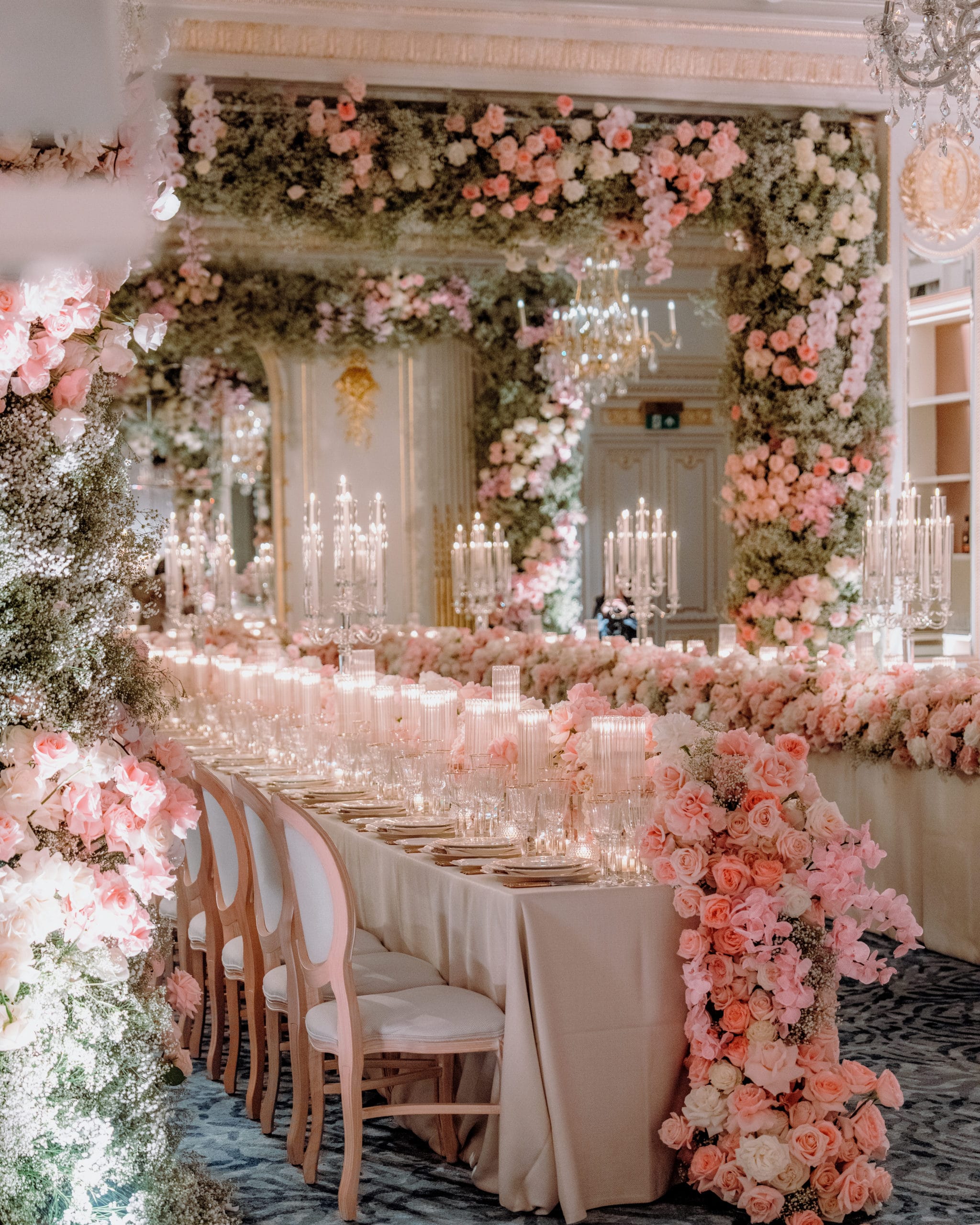
Spring is one of the most popular times of year to marry, and with good reason: the season offers an exceptional range of flowers to work with, from vivid yellows and whites through to soft pastels in blue, pink and purple. With nearly everything coming back into bloom, the choices for spring wedding flowers — from bouquets to boutonnieres — are wider than at almost any other time of year. Below is a guide to what is available and how each variety tends to be used.
Striking Yellow and White Flowers for Spring Weddings
Daffodils
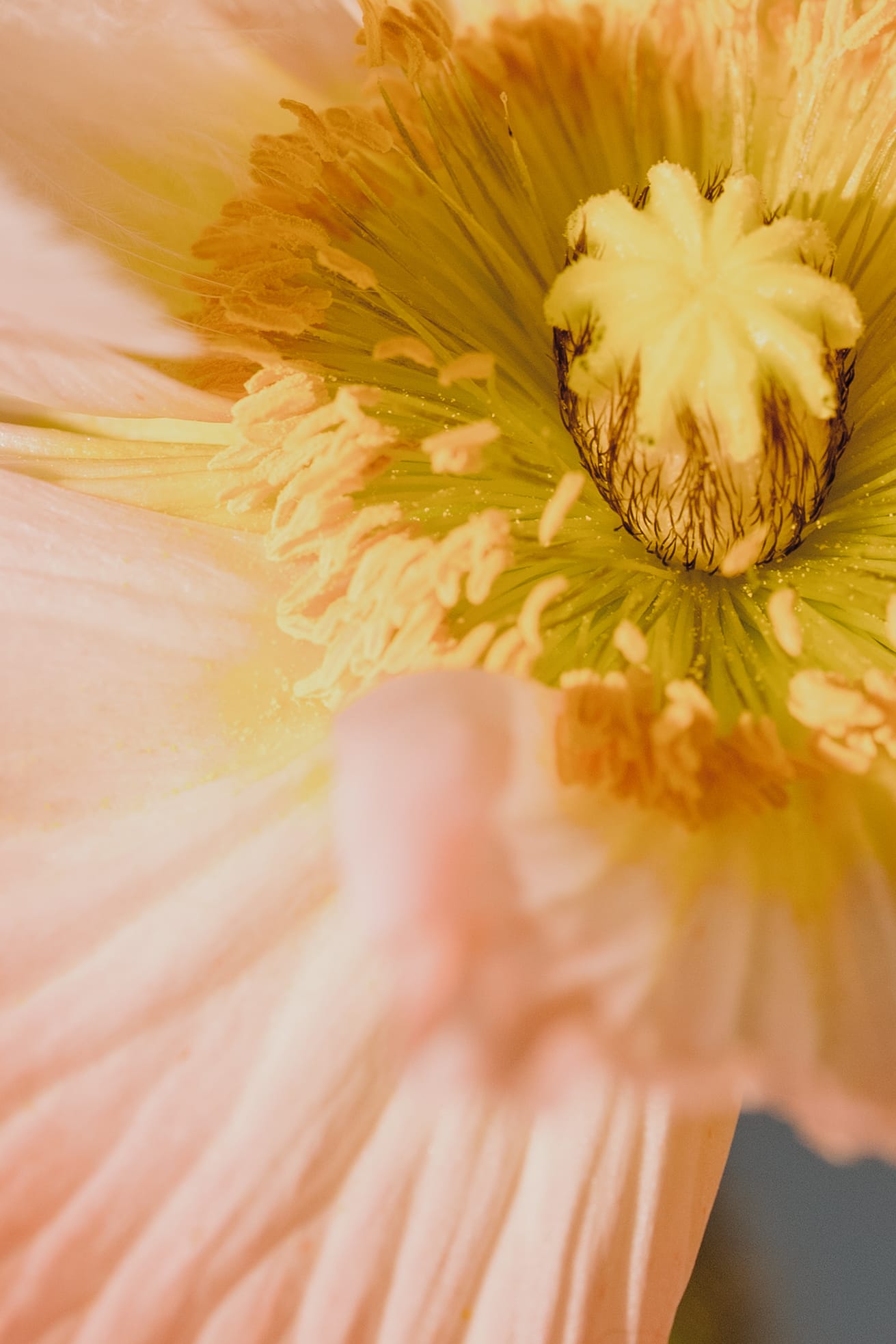
Daffodils (also known as narcissi) are strongly associated with the arrival of spring, and their symbolism — new starts, prosperity, and good fortune — translates well to a wedding context. They work in bridal bouquets and table centrepieces alike.
One longstanding note of caution: a single daffodil is traditionally considered an unlucky omen. Whatever the weight you place on superstition, they are best kept in groups.
One longstanding note of caution: a single daffodil is traditionally considered an unlucky omen. Whatever the weight you place on superstition, they are best kept in groups.
Freesias
[Note to editor: the opening of this section was lost in a previous edit. The text below is a factually accurate reconstruction — please review and expand if you have the original copy.] Freesias are a versatile spring flower that integrate well into arrangements, thanks to the multiple buds growing along their stems. They are just as popular in corsages as in spring wedding bouquets, and their strong yellow colouring reads clearly in whatever arrangement they are included in.
Forsythia
A member of the olive family, forsythia produces bright yellow blooms in dense clusters. In the Victorian language of flowers, it symbolised anticipation — fitting enough for a wedding day. With minimal foliage, forsythias are better suited to table arrangements than bouquets, but their distinctive form and strong colour make them a useful addition to spring wedding decor.
Pastel Blues, Purples and Pinks
Peonies
Peonies are a spring staple, and their symbolism — prosperity and a long, happy marriage — makes them a natural choice for a wedding. They bloom in shades of pink, red and cream, and their fuller, softer form offers a natural counterpoint to the more structured or vivid arrangements described above.
Muscari
Also known as grape hyacinth — though not a true hyacinth — muscari grow in dense blue clusters that hang from a slender stem. They peak in spring and are associated with confidence and tranquillity. Their concentrated colour and compact scale make them well suited to bouquets where they provide depth without mass.
Forget-me-nots
Forget-me-nots (Myosotis sylvatica) begin blooming in spring and often continue into summer. The flower head is made up of very small clusters of blue petals with a yellow centre — the yellow offering more pairing possibilities than the blue alone, particularly alongside the warmer-toned spring varieties.
Lilacs
Lilacs bring both colour and scent to a spring wedding bouquet, which makes them relatively unusual among the options available. Their pastel tones complement a wide range of schemes, and the symbolism shifts by shade: blue for peace and happiness, magenta for passion, lilac itself for first love.
Elevate Your Arrangement
Astilbe
Astilbe is typically used as a filler flower, but its feathery, plume-like blooms do more than fill space — they soften the edges of an arrangement and add a delicate texture that works well against fuller focal flowers. It symbolises dedication.
Baby’s breath
Baby’s breath (gypsophila) is a classic filler and a natural choice for garlands and floral crowns. The more unusual wild varieties, available through your florist, offer more variation in shape and colour than the standard white form.
Sweet peas
Sweet peas symbolise delicacy and, despite their slender form, have a fragrance that carries well in a bouquet. As a filler flower, they contribute more to the overall character of an arrangement than their scale might suggest.
These are some of our spring favourites, but the season offers plenty of other varieties that work well in wedding arrangements. Get in touch and we can discuss how to bring the right combination together for your day. For further inspiration, the wedding flowers section of our site is a good starting point, as are Wedding Chicks and Style Me Pretty.
You may also like: