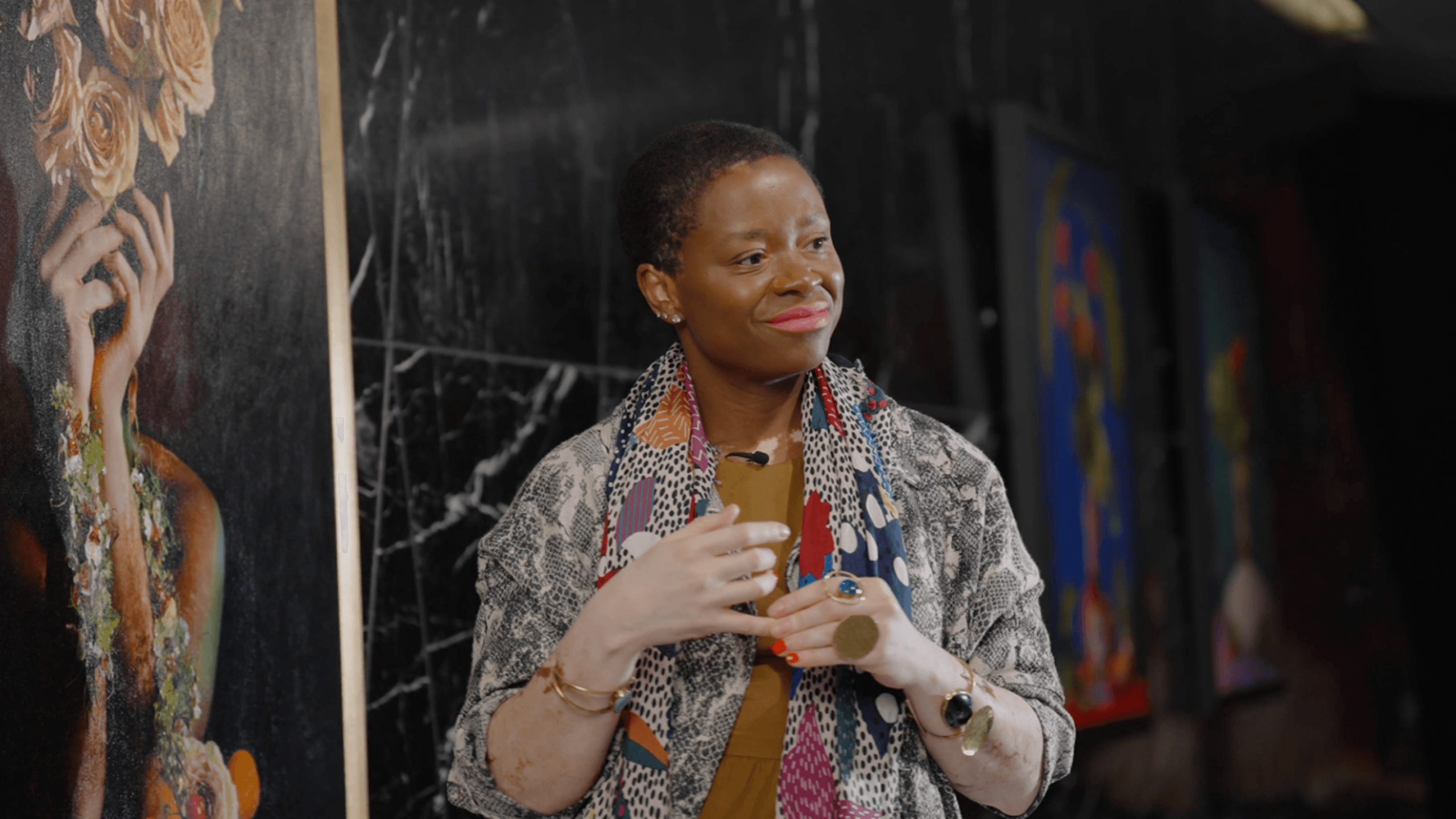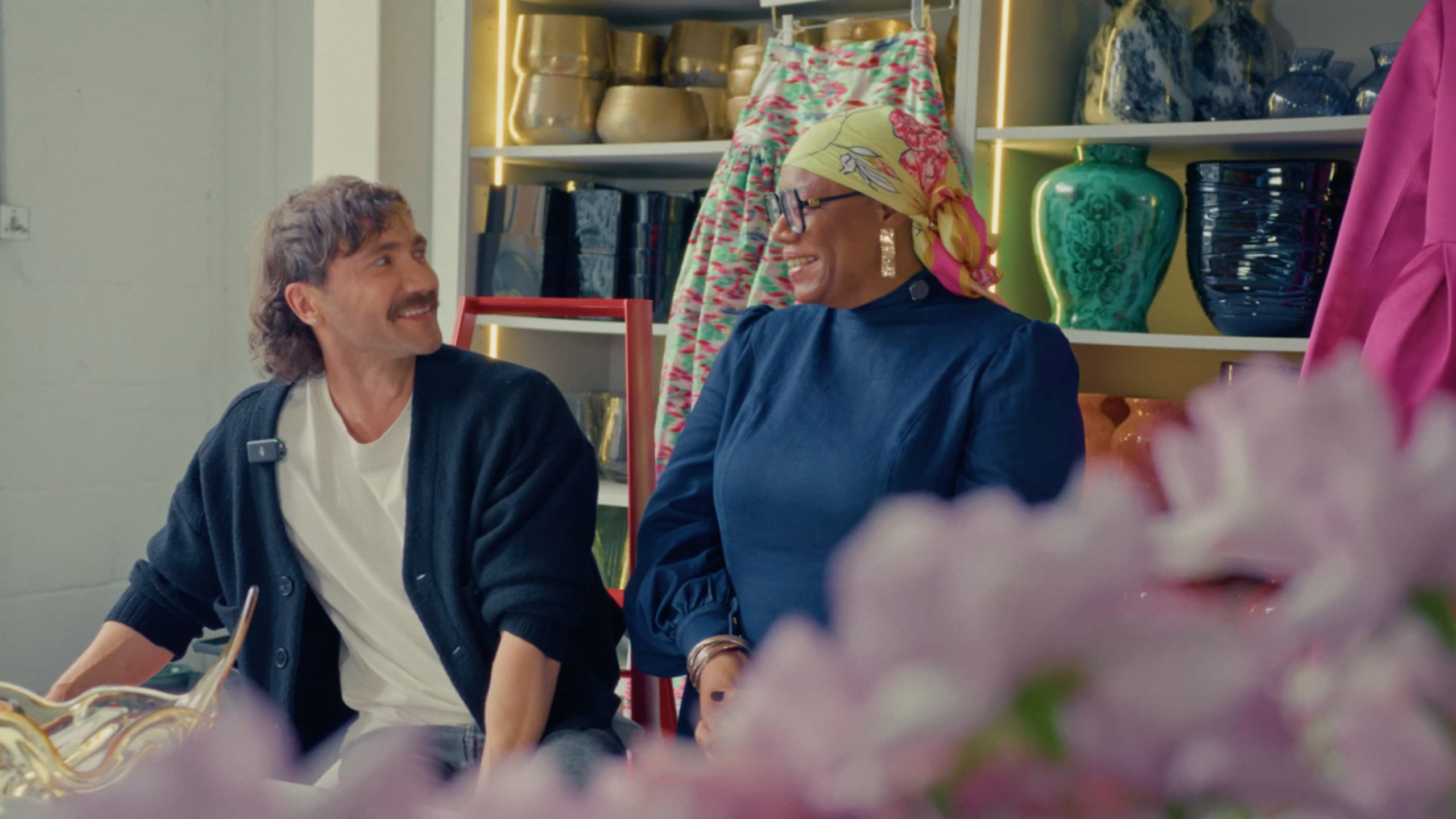
Mike Dawson,
Head Winemaker
Back to all videos
What does being "In Bloom" mean to Mike Dawson?
"Making wine according to what you are passionate about, instead of to please everyone."
Transcript
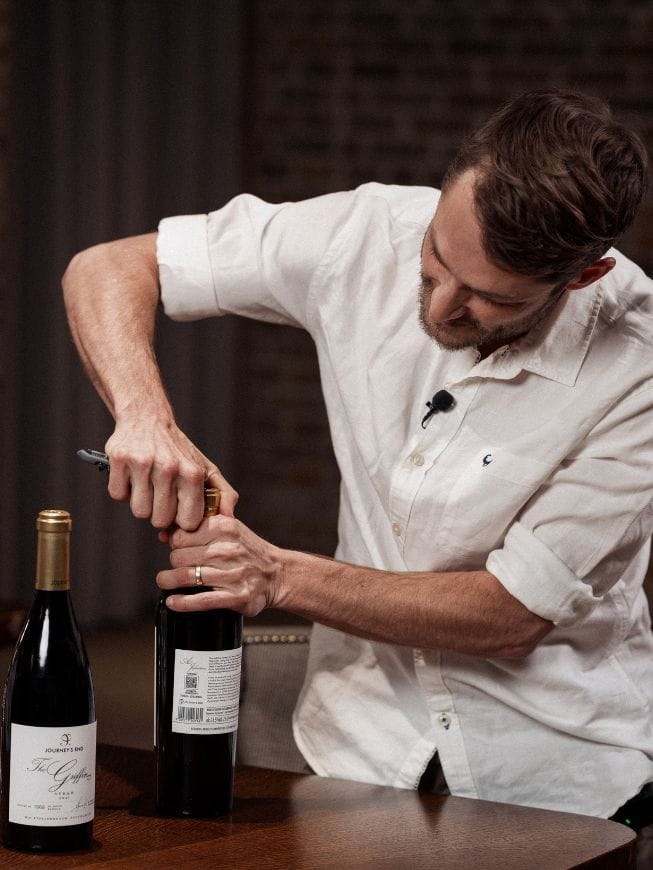
Do you always carry the wine opener with you?
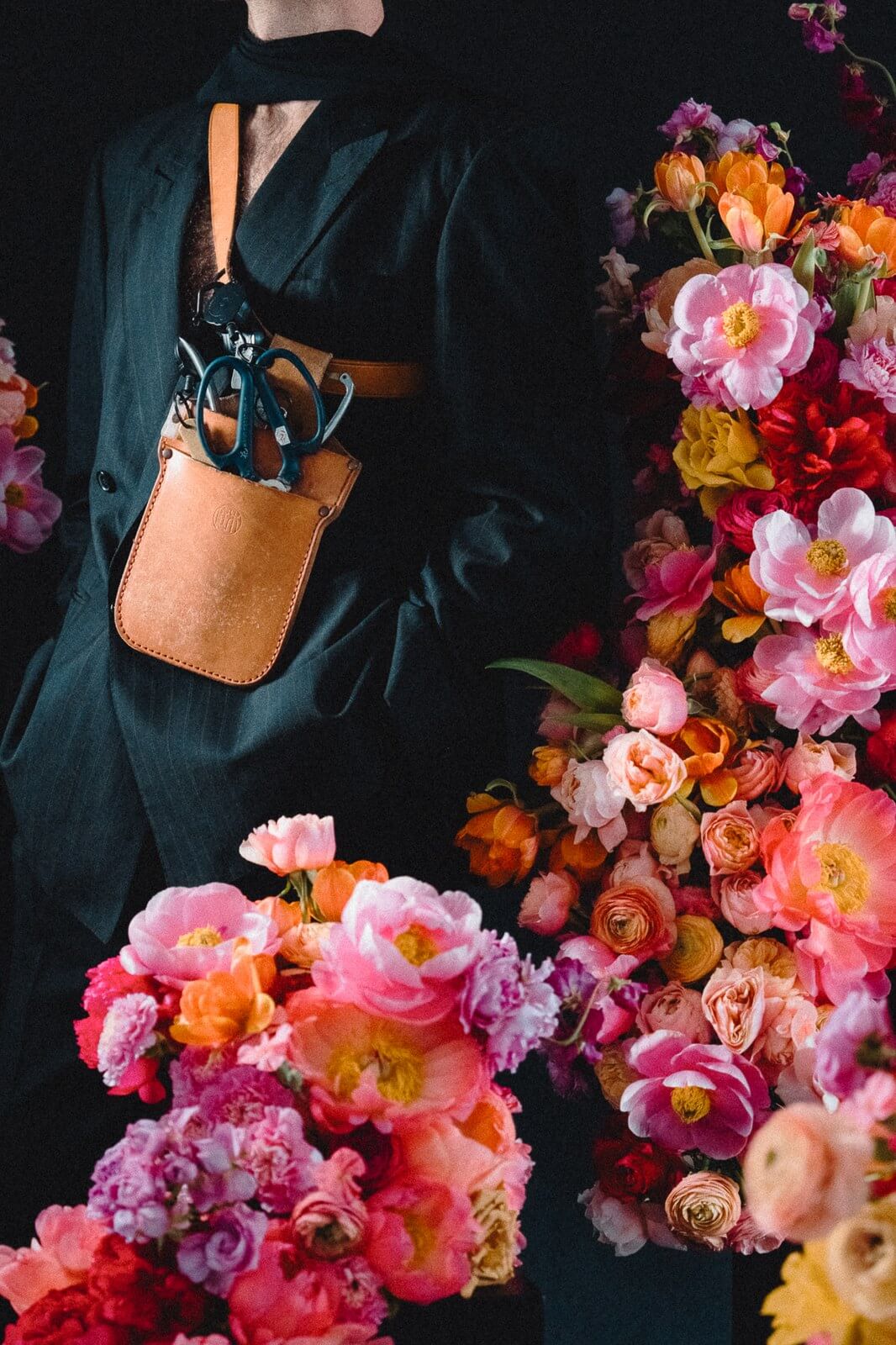
I have a florist knife with me everywhere I go.
I'm not going to be too heavy-handed, because it is very early in the morning.
For somebody who doesn't really know or understand much about wine, what would you recommend? How do you know this is a good wine? How do you recognise it? How do you smell it? How do you taste it?
What I'm looking for in wine is freshness. Balance is extremely important. The sweetness should really balance out with the acidity. We are in very close proximity to the ocean, so we tend to get these very mineral, granitic notes in our wine. All of our soils are decomposed granite derived.
Does that make it sweeter, or how does that change it?
It adds an element of minerality and freshness to the wine. Our soils are ancient, some of the most ancient soils in the world, in Stellenbosch. With grape growing, you don't necessarily want the most fertile soils. You want your vines to struggle a little bit, because that produces a lot of concentration in the fruit. All of the work really happens in the vineyard, to produce the best quality fruit. You can make a bad wine with very good fruit, but you can't make a good wine with bad fruit.
You are relying on nature, the whims of nature, the climate, the ecosystem. Everything changes very fast. I've always believed that the environmental conditions and our location are extremely important in the production of wine. Every vintage has different challenges which you have to overcome, and you have to be quite resourceful at the same time, especially with the climate change we can see going on now. I like to call it the grape gods that really dictate how our wines come out at the end of the day. I'm very lucky in that we work on a beautiful property and produce really high quality grapes, so my job is relatively easy at Journey's End.
We want to talk about one of the elements of our story as well, which is the B Corp certification. You mentioned climate change and how that affects wine production, and how it will undeniably affect wine production for the years to come. So it is a challenge. You've decided to become B Corp certified.
We are the first and still the only vineyard and winery in South Africa to be B Corp certified. We're actually getting approached by other wineries in the industry to help them along with this process, and I think the more wineries, especially in South Africa, that we can get on board the better, because it's better for the industry. It's a message about the country as well.
So you become an inspiration, and that's the greatest accomplishment to yourselves. We compost our flower waste. We've got a renewable energy supplier for our studio. We have electric vans only for all of our transport. It has a financial impact on the business, but we always try to tell others that it is important. The winemaking sector, the flower growing sector, we're very vulnerable to what nature decides. If we don't do this, then a few years down the line we might not have good wine anymore. We might not have the flowers we want anymore.
We use quite a traditional practice of cover cropping. We grow grasses, legumes, things like that, that are nitrogen fixing agents in between our vineyard rows, and then we roll those cover crops into the ground at a certain time of the year. Journey's End was the second winery in South Africa to convert to solar power. We've also had a few struggles in South Africa with our power supply from the municipality, so it's a real benefit to us. On the farm we try to use as many natural or environmentally savvy ways to run our vineyard and our operation at Journey's End.
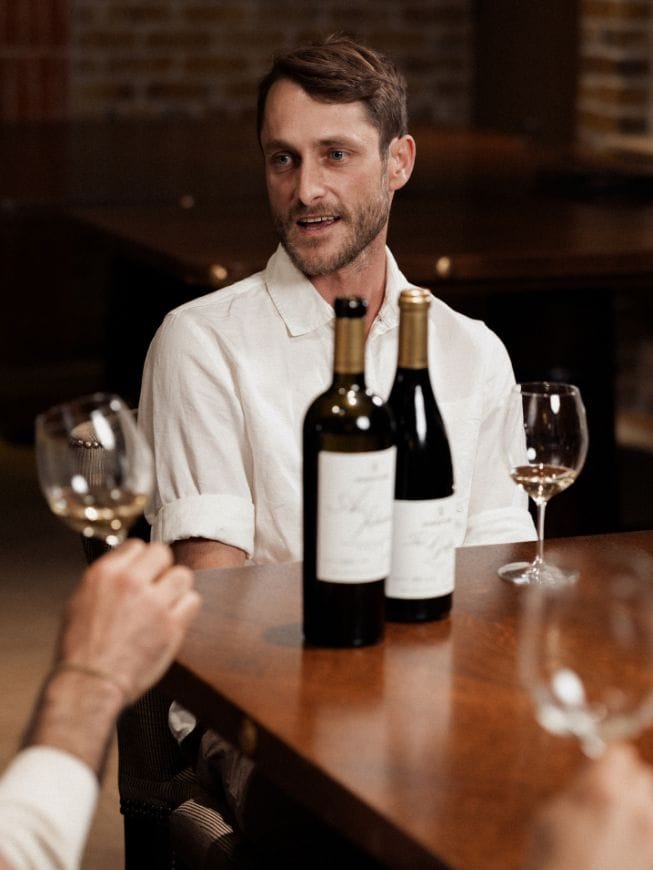
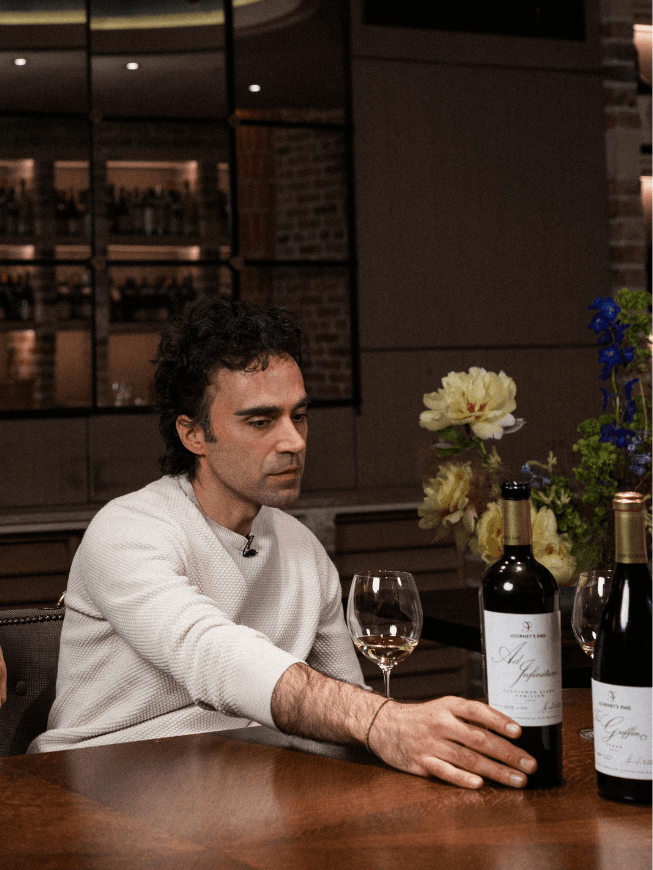
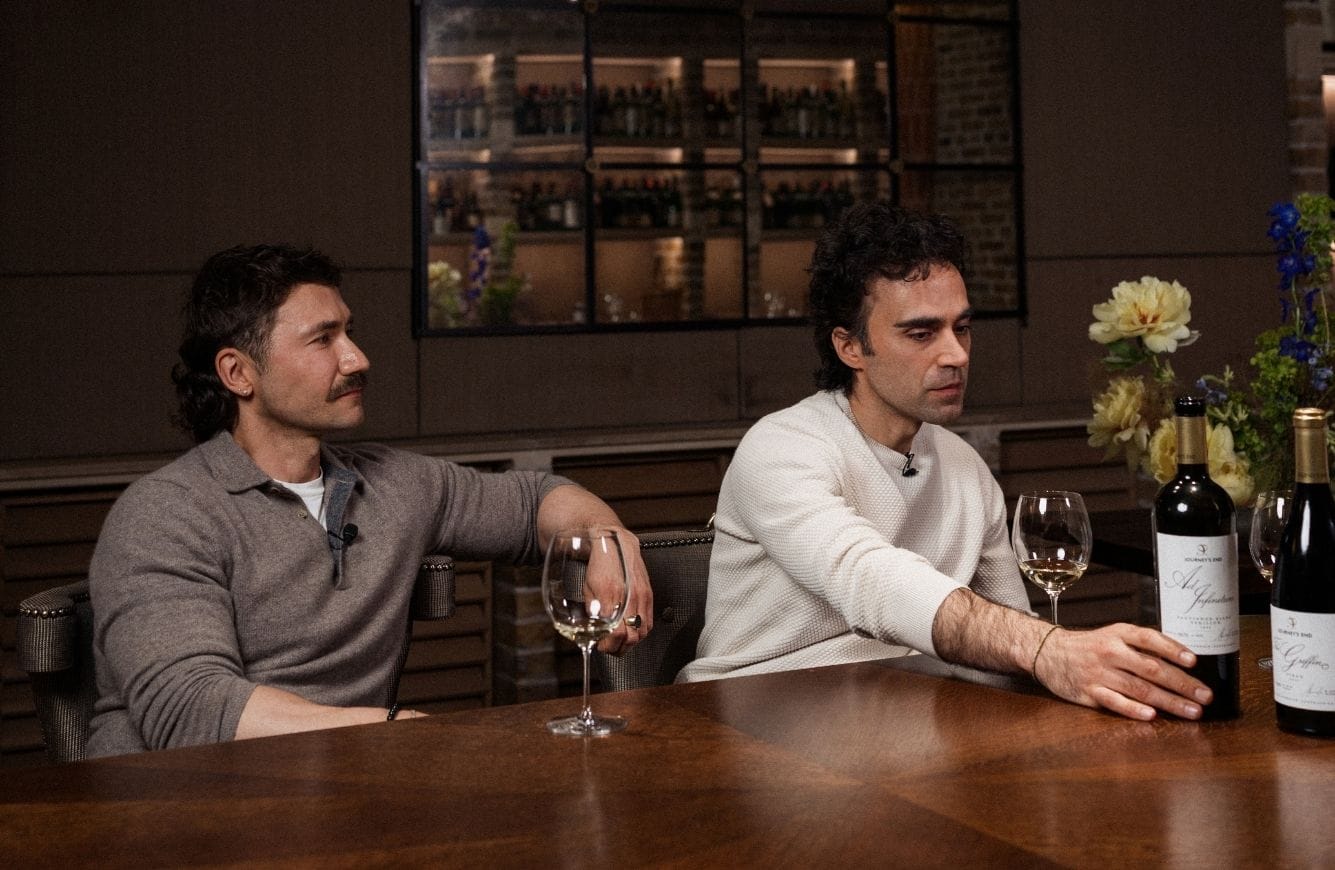
This is our Ad Infinitum. It's an 87% Sauvignon Blanc driven wine, 13% Semillon. This is one of my pride and joys. I'm an absolute lover of Bordeaux white blends. We treat it extremely naturally in the cellar, so we don't add any yeasts.
Swirl the wine. Then you can take a little sniff of it. Wine is very subjective. What you smell in a wine could be completely different to what I smell in a wine. We do have slight floral elements in this wine. They're pretty floral, almost elderflower type notes that you pick up.
Those are called the wine tears. You'll notice a spacing between them. What's coming down the side of the glass is your water, and in between is where the alcohol has evaporated. So generally, the further apart the tears are, the higher your wine is in alcohol. This wine is 13.5% alcohol. The tears are an indication of the alcohol levels in your wine, because alcohol evaporates quicker than water.
Mine has evaporated fully. Would you like a top up?
I feel the flavour is very consistent, because sometimes with other wines you taste something completely different at the beginning, and then the taste starts evolving as you go. I feel like with this one that's not the case, the taste is more consistent. Is that correct?
Absolutely correct.
Let's see. Look at that. I'm going to be very florist about this. I taste some lilac, with a dash of zinnias and a compound of berries.
I think you need to reconsider your profession.
This is the most wine one I've drunk in years. On a serious note, the balance is very good. You can feel this and it lingers on. It stays with you for quite a while.
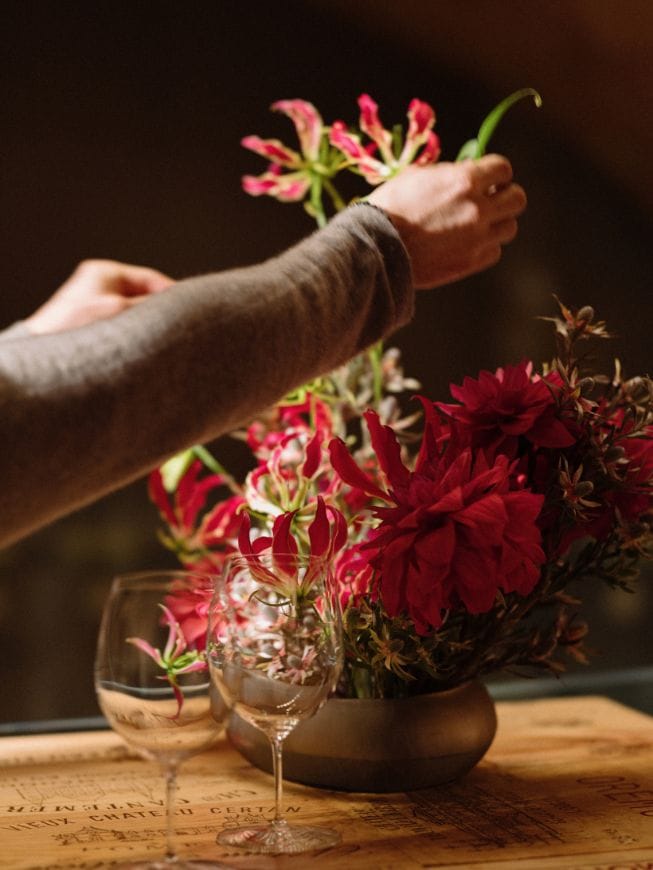
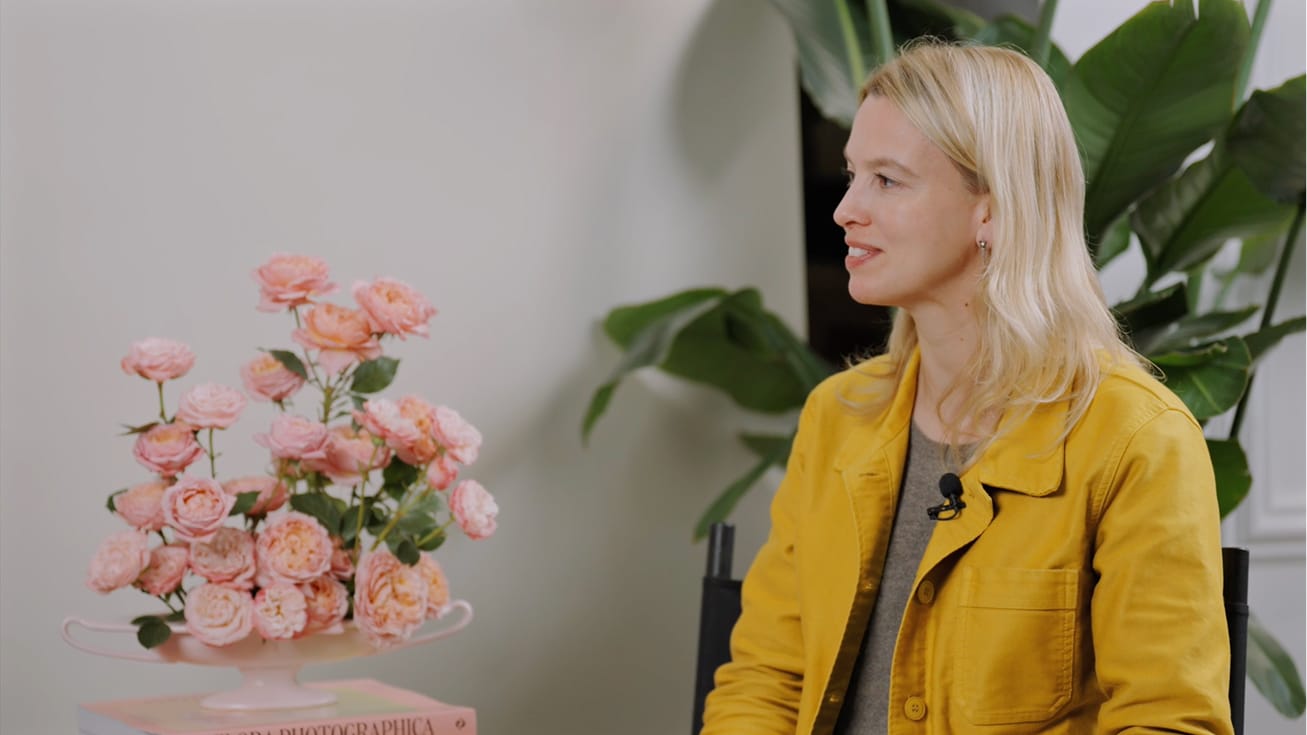
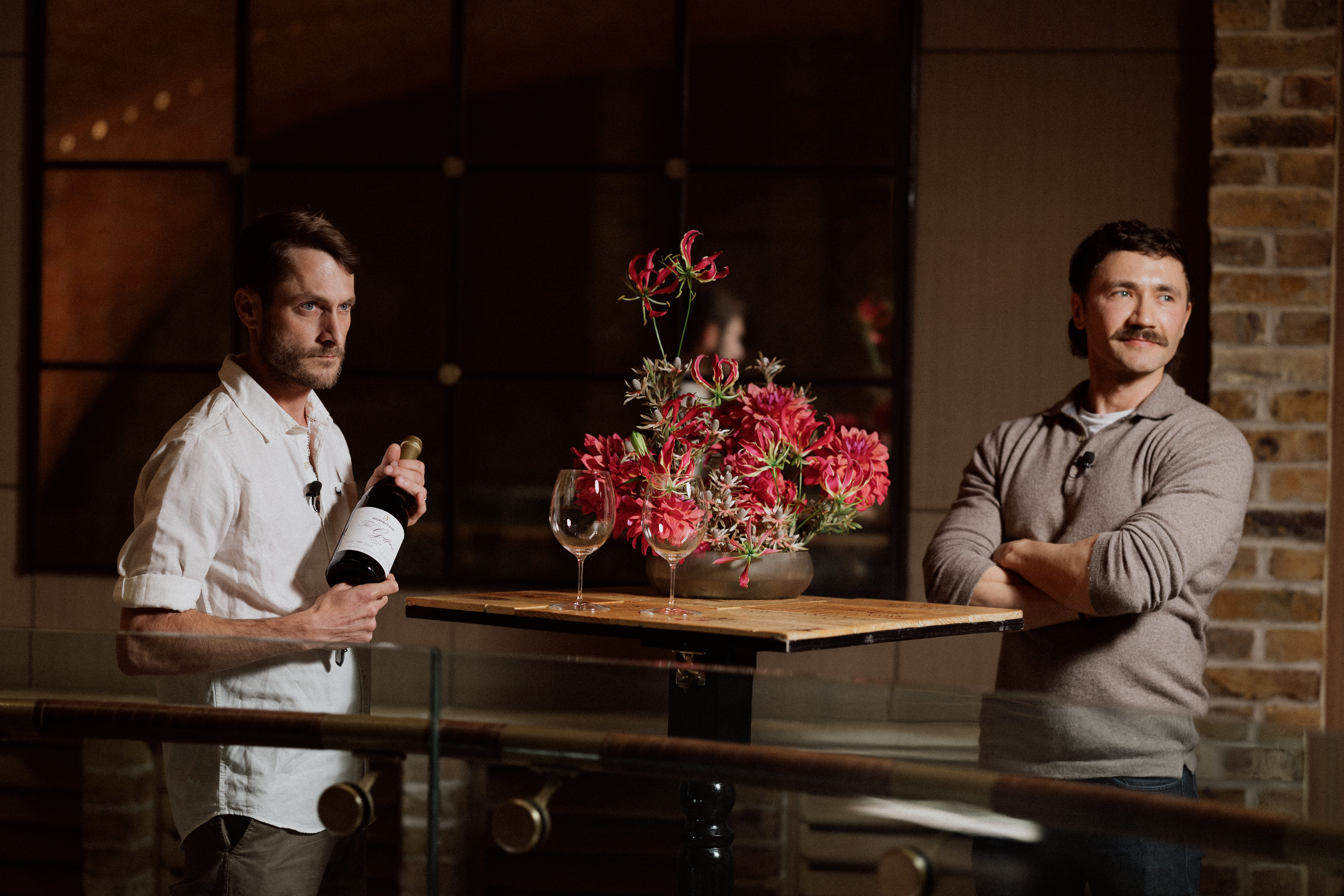
Mike, we've got a little challenge for you. You're obviously a wine expert, and we've prepared this very nice arrangement here right in front of you. I'd like you to describe it exactly the same as you would describing wine.
This is a flower arrangement that reminds me of a beautiful carbonic fermented Syrah. Your flower arrangement has beautiful pretty pink, almost a little bit of purple in terms of the colour. It's got elements that spark out and shoot out. Your flower arrangement also has wonderful texture and structure, which can also be comparative to wine. This is fantastic. By the way, I taste a body of dahlias and gloriosas.
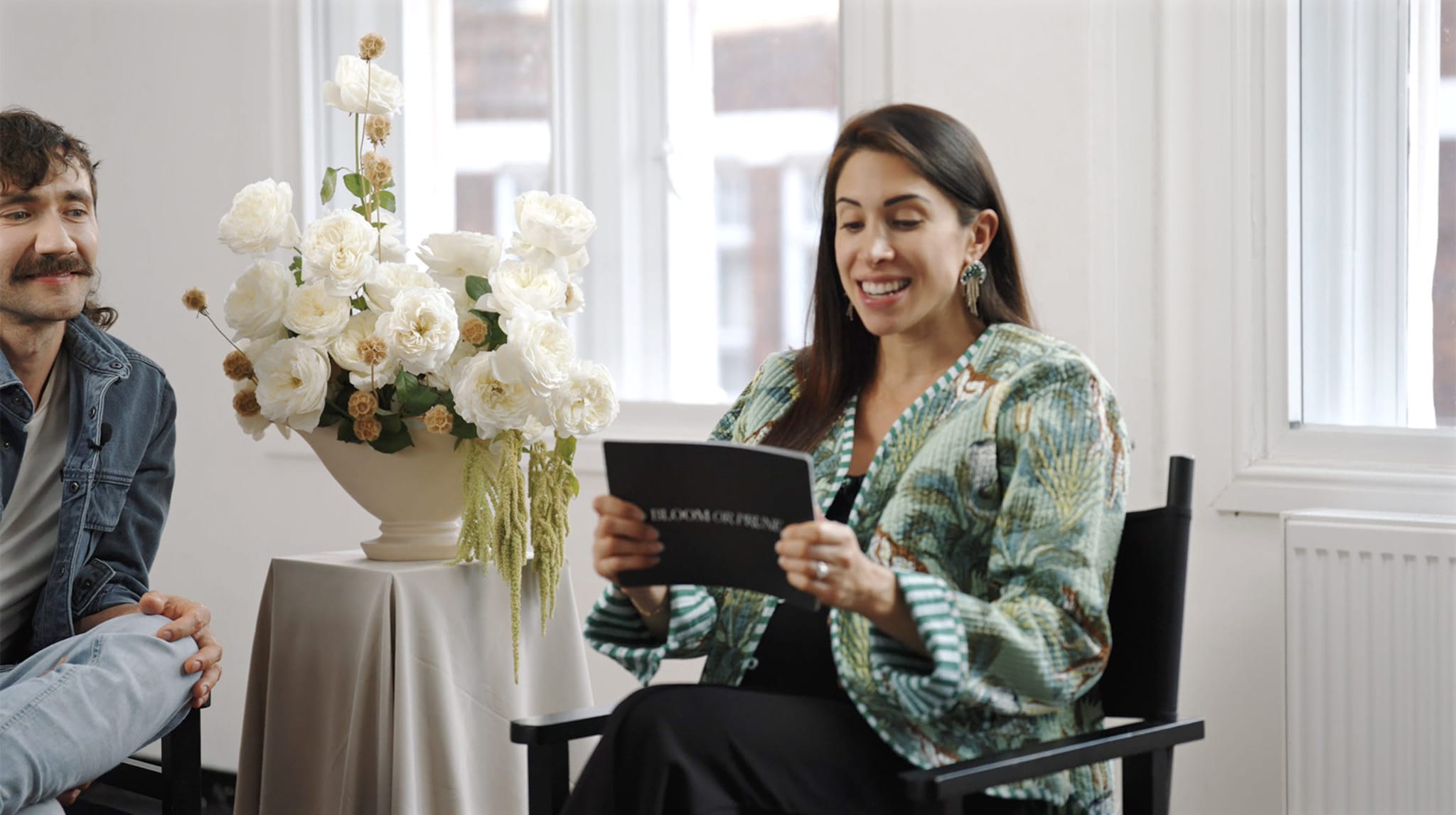
So, Mike, we have a quick game for you. It's called Bloom or Prune. You've got a stack of cards, each with an idea. You read it and you decide whether you bloom it, keep it, or prune it, get rid of it.
Got you. Sounds exciting. Let's go.
The idea that a vintage defines the wine.
Bloom, 100%. Each year is different, and your manipulation shouldn't define the wine. It should be the vintage and the environmental factors.
Building wine to win awards.
Prune, for sure. I think you should make wines according to what you are passionate about, because you're never going to please everyone at the end of the day.
Crushing grapes with your feet.
I actually made a very small private batch this year, and I've got a four-year-old son who was swimming in the tank of red grapes. Fun, but not something I would do in my cellar. So, prune.
And the last one, this is quite an interesting one. Ice in wine.
I'm from the east coast of South Africa, where the temperatures are extremely high and it's very humid and stuffy, and a lot of people put ice cubes even in their red wine. I've got no problem with that. Enjoying the wine is your prerogative. I'd say bloom.
Thank you so much for joining us, Mike. Don't forget to subscribe to our In Bloom series. We spend incredible time with creatives and discover their personal journey and their connection with nature and flowers.
Cheers. Cheers.
About the speaker
Mike Dawson
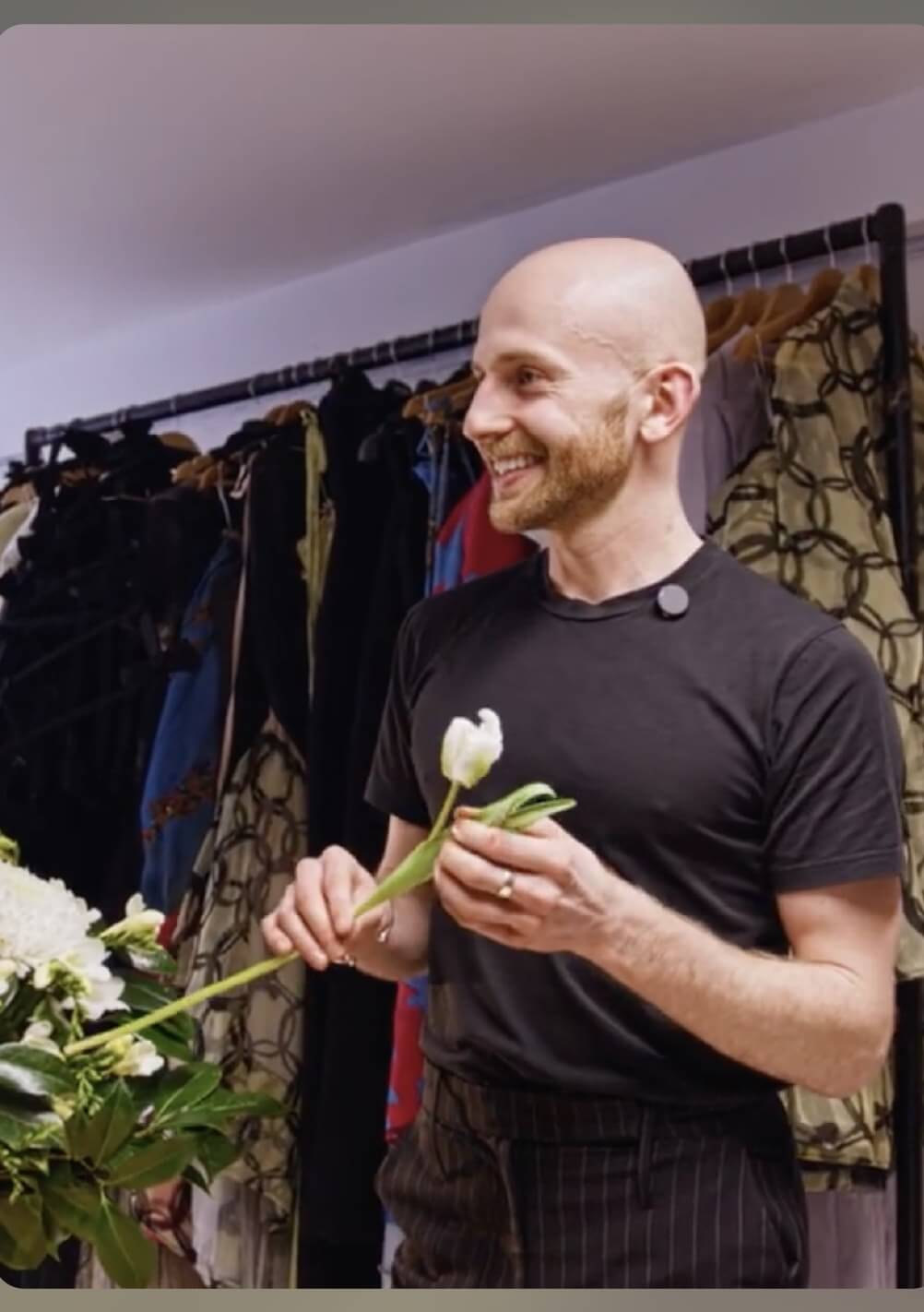
Blooming Haus co-founders Michal and Michael have long been drawn to the crafts that answer to the same forces as floristry: soil, season, weather, and a single attempt each year to get it right.
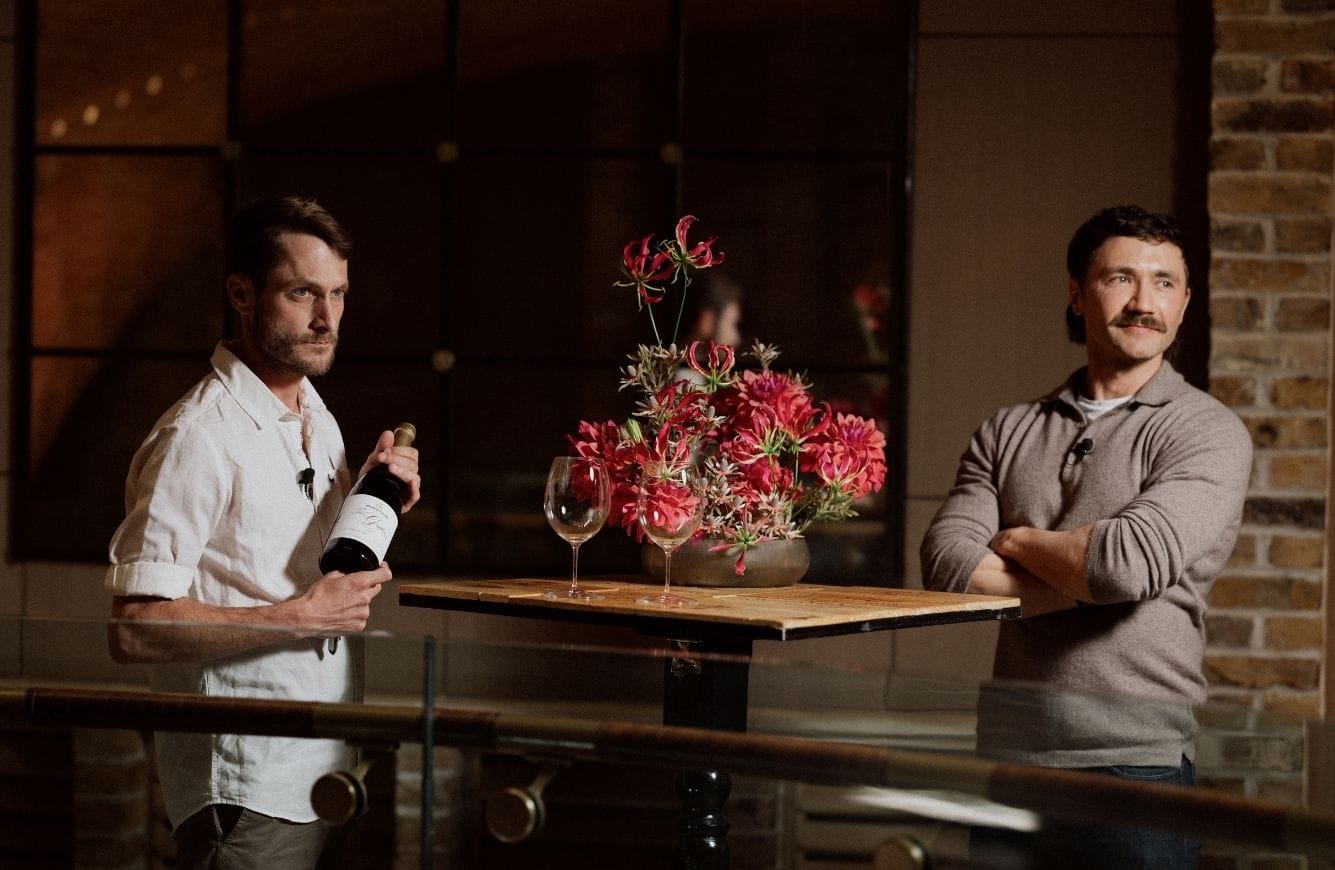
In this episode of In Bloom, filmed at Berry Bros & Rudd, they welcome Mike Dawson, head winemaker at Journey's End Vineyards, to talk about terroir, climate, and what a glass can tell you about the ground it came from.
Journey's End sits in the Schapenberg hills on the southeastern edge of Stellenbosch, six kilometres from False Bay, on some of the most ancient decomposed granite soils in the world. The Gabb family, originally from Shropshire, bought the farm in 1995. It was the second winery in South Africa to convert to solar power, and Mike describes it as the first and still the only vineyard and winery in the country to hold B Corp certification, a process other producers are now approaching them for help with.
His approach in the cellar is deliberately light. Ad Infinitum, the estate's Bordeaux white blend of 87% Sauvignon Blanc and 13% Semillon, is made with no added yeasts. In the vineyard, cover crops of grasses and legumes grow between the rows before being rolled back into the soil, and the vines are left to struggle, since concentration in the fruit comes from a site that gives nothing away easily. As he puts it, you can make a bad wine with very good fruit, but you can't make a good wine with bad fruit.
What he cannot control, he has a name for. Mike calls it the grape gods, the climate and environmental conditions that decide how each vintage turns out, and he would rather a wine be defined by its year than by anything he does to it. He lives on the farm, grows his own vegetables and herbs, and made a small private batch of red this year with help from his four-year-old son.
"If you are farming grapes on a property, I always think that you should be a custodian. You're never going to have that land for the rest of your life, so you must protect it and leave it as you inherited it or better."