
An Insightful Guide to Flower Fashion & Its Evolution Through the Ages
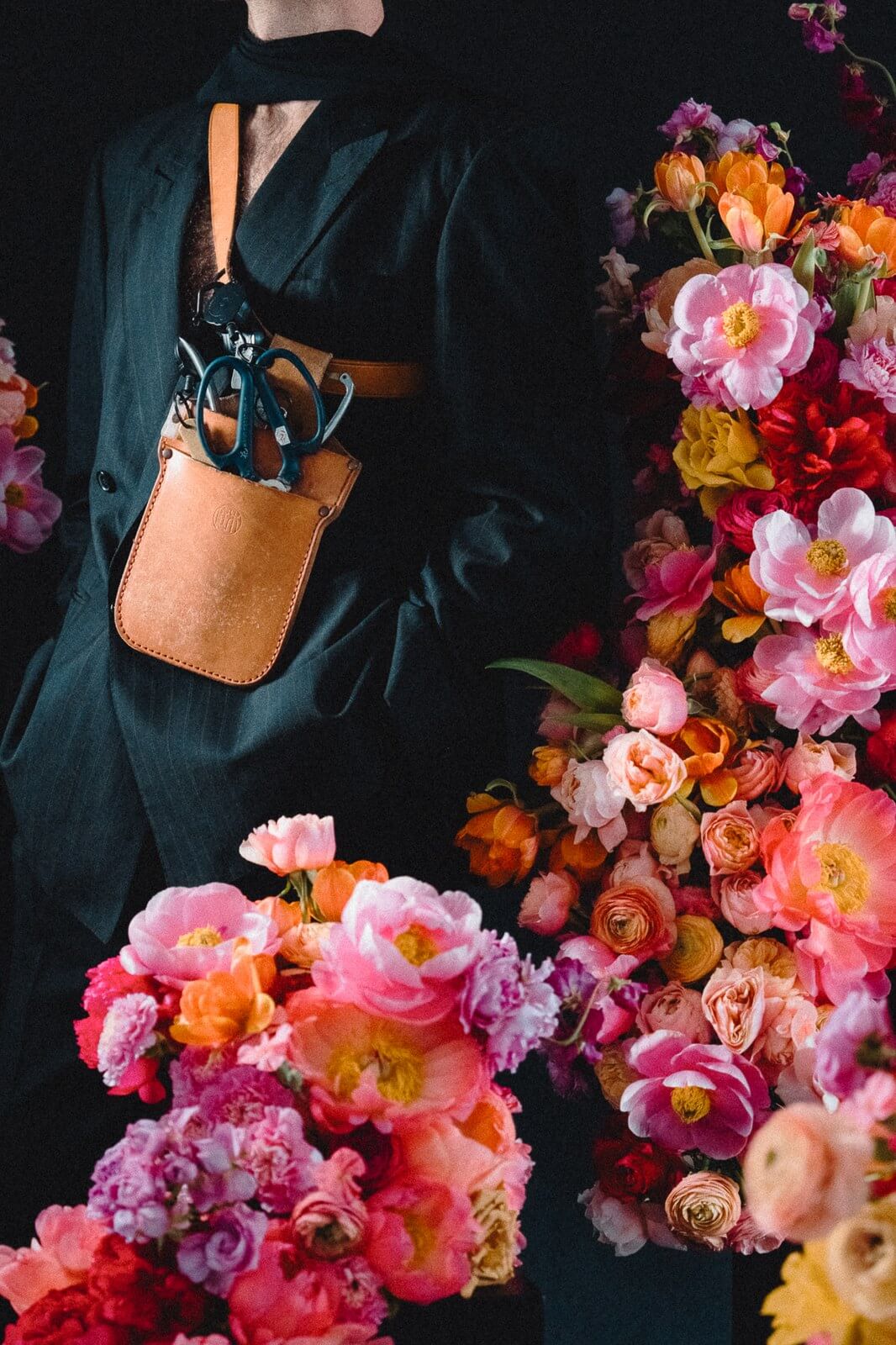
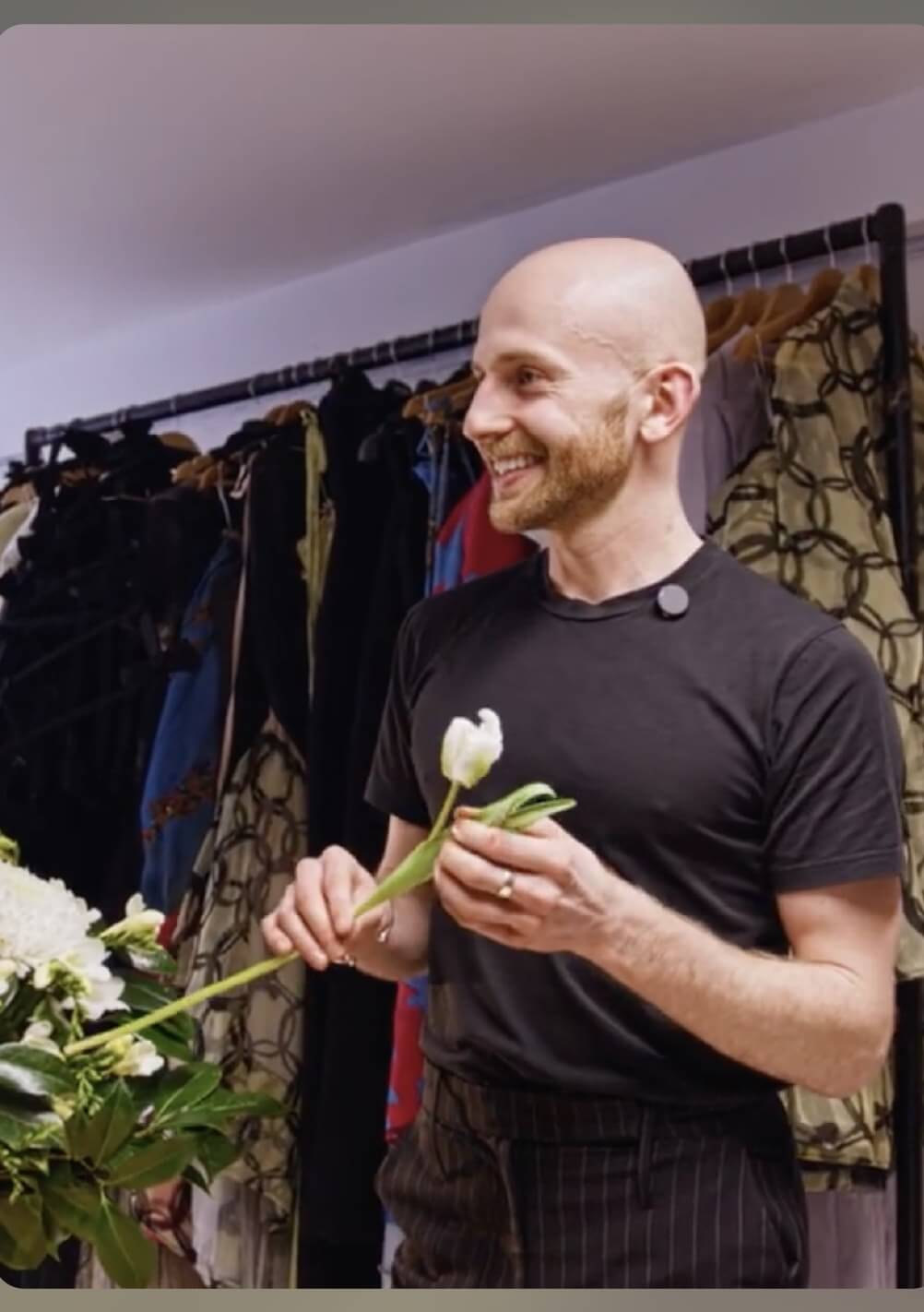
As florists working with some of the world’s leading fashion houses, we see this connection play out every season. At London Fashion Week 2023, we created the runway florals for both Roksanda and Erdem — two shows that sat at the precise intersection of floral design and fashion.
This is the history that informs how we work.
A Deep Dive into Flower Fashion Throughout the Ages
1. The Origins of Popular Floral Design
2. The Tulips of the Ottoman Empire
3. Europe and the Growing Popularity of Floral Designs
4. Native American Floral Designs
5. The Industrial Revolution and Into the 20th Century
6. Modern Floral Fashion
7. Fashion-Inspired Bouquets & Installations
8. Learn More About Flowers in Fashion
2. The Tulips of the Ottoman Empire
3. Europe and the Growing Popularity of Floral Designs
4. Native American Floral Designs
5. The Industrial Revolution and Into the 20th Century
6. Modern Floral Fashion
7. Fashion-Inspired Bouquets & Installations
8. Learn More About Flowers in Fashion
1. The Origins of Popular Floral Design
The history of flower fashion has its origins in Ancient Egypt, where visual designs began incorporating floral elements as a matter of cultural significance.
Blooms like the Lotus appeared frequently and were considered sacred. At nightfall they close and descend beneath the water; at dawn they rise above it and reopen. Symbolic of purity, rebirth, and strength, they emerge from the mud without stain — an image potent enough to endure for millennia.
In Ancient Greece and Rome, people used real flowers to adorn their clothing. Wreaths and garlands not only introduced fragrance to dress but were thought to bring luck or ward off negative energy.
As time progressed, floral patterns began appearing on silk and ikat cloth traded across Asia between the 11th and 13th centuries. These designs appeared on tapestries, rugs, and tapestry-like garments worn by the Uighurs of Eastern Central Asia.
During this period, textile designs — particularly on silk — often featured peonies, either alone or set within broader compositions of brightly coloured forms. The peony’s popularity has never entirely faded; many brides are still drawn to its soft, layered blooms. The flower is widely associated with bashfulness and good luck, while in China and Japan it carries associations of wealth, honour, and fortune.
Blooms like the Lotus appeared frequently and were considered sacred. At nightfall they close and descend beneath the water; at dawn they rise above it and reopen. Symbolic of purity, rebirth, and strength, they emerge from the mud without stain — an image potent enough to endure for millennia.
In Ancient Greece and Rome, people used real flowers to adorn their clothing. Wreaths and garlands not only introduced fragrance to dress but were thought to bring luck or ward off negative energy.
As time progressed, floral patterns began appearing on silk and ikat cloth traded across Asia between the 11th and 13th centuries. These designs appeared on tapestries, rugs, and tapestry-like garments worn by the Uighurs of Eastern Central Asia.
During this period, textile designs — particularly on silk — often featured peonies, either alone or set within broader compositions of brightly coloured forms. The peony’s popularity has never entirely faded; many brides are still drawn to its soft, layered blooms. The flower is widely associated with bashfulness and good luck, while in China and Japan it carries associations of wealth, honour, and fortune.


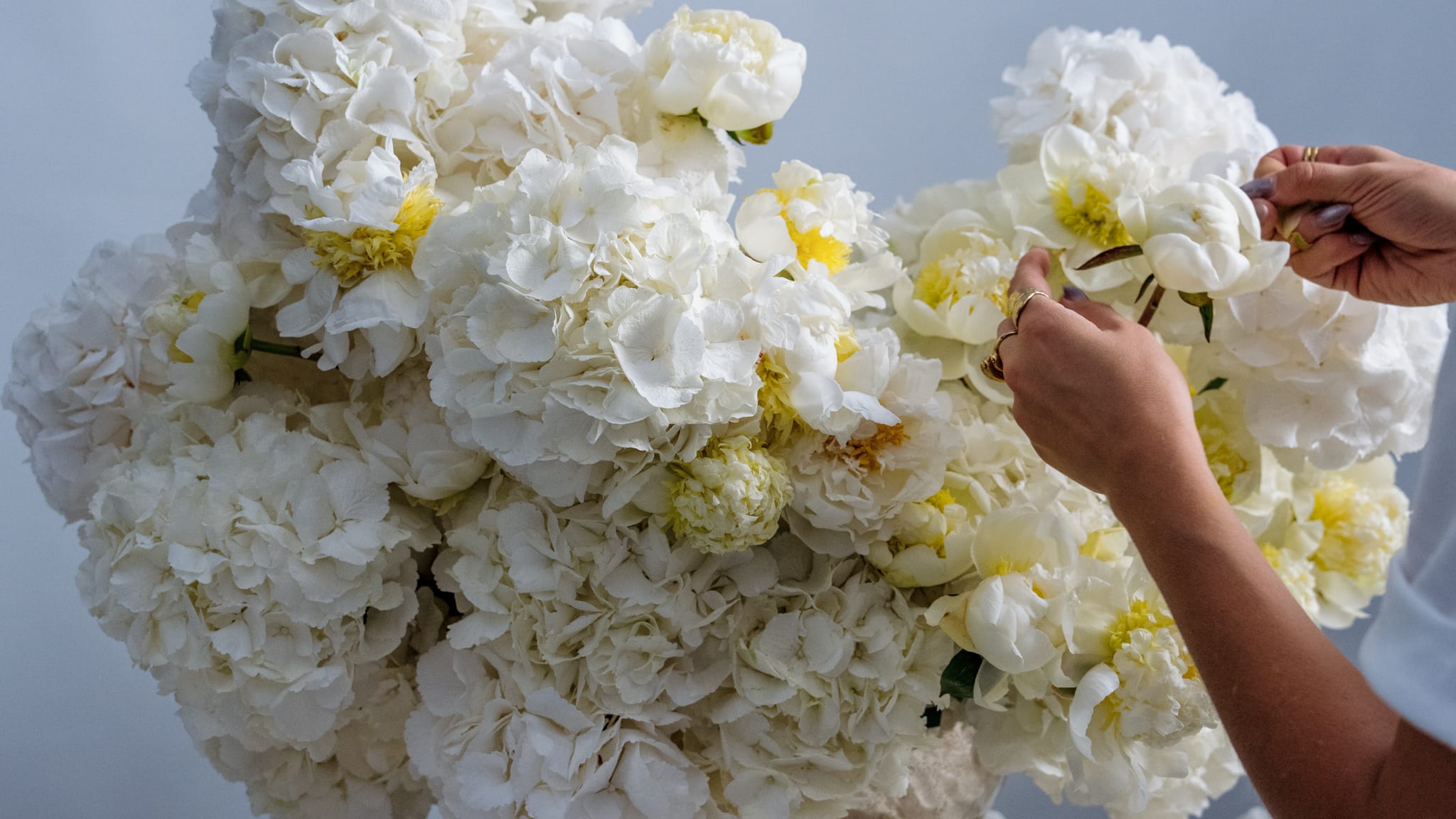
Bulgari Blooms by Blooming Haus
This movement of floral and nature-inspired design swept from China through Asia and the Middle East, eventually reaching Europe via Italian merchants along the Silk Road.

Part of a children’s blanket, quilted circa. 1725 – circa. 1750. Made in India. Part of a collection in Rijksmuseum Amsterdam
Chintz is a compelling example of this Asian influence on flower fashion. The word comes from a Hindi term meaning “variegated” or “spotted,” referring to designs originating in what is now India and Pakistan in the 15th century. Chintz describes a glazed cotton fabric featuring colourful block designs — frequently floral — that was brought to Europe by Vasco da Gama in 1498. French and Dutch merchants subsequently began trading it widely.
2. Flower Fashion: The Tulips of the Ottoman Empire
The Ottoman Empire played a significant role in the development of flower fashion during the “Tulip Era” from approximately 1520 to 1730.
The tulip held particular prominence in Persia during the 17th century, featuring in the gardens of Sultan Suleiman and Ahmet III, among others.
The tulip held particular prominence in Persia during the 17th century, featuring in the gardens of Sultan Suleiman and Ahmet III, among others.

Image: islamicartsmagazine.com
Fashion designs frequently combined tulips with vines and pomegranates. The incorporation of these forms into textiles, ceramics, and embroidery spread influence toward European designers in Venice and Florence.
3. Europe & the Growing Popularity of Flower Fashion
Not every strand of flower fashion history in Europe was imported from elsewhere. Floral lace was used to decorate clothing from the Middle Ages, first adopted by the aristocracy before becoming more widely worn by the late 16th century.

Image: www.the-sustainable-fashion-collective.com
When the Mongol Empire took control of the Silk Road, trade in silk between Asia and Europe grew substantially. Silk joined lace as a favoured textile at the court of Louis XIV, with many fabric designs drawing directly from botanical specimens and engravings — continuing the evolution of floral motifs in fashion.
The influx of Asian fabrics created pressure on European producers of wool and linen, prompting bans on imported cotton. Aristocrats and courtiers largely ignored these restrictions, and chintz, silk, and lace remained central to floral fashion in European royal courts. As the 18th century arrived, designs featuring roses and carnations became increasingly prominent.
The influx of Asian fabrics created pressure on European producers of wool and linen, prompting bans on imported cotton. Aristocrats and courtiers largely ignored these restrictions, and chintz, silk, and lace remained central to floral fashion in European royal courts. As the 18th century arrived, designs featuring roses and carnations became increasingly prominent.

Dress from about 1735, restyled 1763, Silk; brocaded plain weave Museum of Fine Arts Boston 1990
4. Native American Flower Fashion
The use of floral representation in dress was never limited to Asia and Europe. North America contributed its own distinct tradition through the clothing and accessories of the First Nations people.
The Ojibwe people were particularly notable for their floral beadwork from 1640 onwards, covering bags, moccasins, and garment cuffs with depictions of tulips, violets, and other blooms.
The Ojibwe people were particularly notable for their floral beadwork from 1640 onwards, covering bags, moccasins, and garment cuffs with depictions of tulips, violets, and other blooms.

An Ojibwe breechcloth from 1885 that was part of the exhibit “Floral Journey: Native North American Beadwork” at the Autry National Center of the American West in Los Angeles in 2014
Other Native American peoples, including the Sioux and Lakota, developed their own floral beadwork traditions. By the late 19th century, landscapes, figures, and animals had joined flowers as prominent design subjects.
These civilisations existed in much closer relationship with the natural world than most of us do today. Before modern pharmaceuticals, many flowers served as medicine. Representing nature so thoroughly in art and dress may, in part, have been a form of acknowledgement — perhaps even reverence. Ojibwe beading techniques continue to resurface as a reference point in contemporary fashion design.
These civilisations existed in much closer relationship with the natural world than most of us do today. Before modern pharmaceuticals, many flowers served as medicine. Representing nature so thoroughly in art and dress may, in part, have been a form of acknowledgement — perhaps even reverence. Ojibwe beading techniques continue to resurface as a reference point in contemporary fashion design.
5. The Industrial Revolution’s Impact on Flower Fashion
The Industrial Revolution transformed the reach of flower fashion. Mass production brought floral patterns into clothing, homeware, and lifestyle products on a scale previously impossible. As printed fabrics became widely available, designs such as Chintz moved from the exclusive wardrobes of the aristocracy into everyday life.
During the 19th century, the Arts and Crafts movement brought its own influence. The work of William Morris brought the sunflower to wider cultural attention, and the bloom became a defining motif — appearing on wallpaper, fabric, and tiles across Britain.
As the 20th century arrived, floral design found new expression in Liberty prints, and later in the unmistakable visual language of the Hawaiian shirt.
During the 19th century, the Arts and Crafts movement brought its own influence. The work of William Morris brought the sunflower to wider cultural attention, and the bloom became a defining motif — appearing on wallpaper, fabric, and tiles across Britain.
As the 20th century arrived, floral design found new expression in Liberty prints, and later in the unmistakable visual language of the Hawaiian shirt.


Flowers by Blooming Haus
6. The Many Faces of Modern Flower Fashion
In the 1950s, Dior’s “New Look” drew directly on floral form — the silhouette itself shaped like a bloom. These flower-inspired lines defined the decade’s dress, many of which also carried floral prints. Grace Kelly and Elizabeth Taylor were among the women who wore and popularised these looks.

By the late 1960s, flower power gave floral fashion an explicitly political dimension. The “flower child” aesthetic — worn in opposition to the war in Vietnam — made flowers synonymous with peace and resistance as much as with beauty. The natural and the decorative became inseparable from the ideological.

Image: britannica.com
Lilly Pulitzer has been one of the most consistent voices in floral fashion since the 1960s. Many of the collection’s most recognisable designs were created by artist Suzie Zuzek, drawing on Pulitzer’s original vision. Early collections featured hibiscus flowers and jungle prints; more recent work moves toward neon pinks, blues, and greens.
In 2022, Loewe took a notably different approach — focusing on a single flower, the Anthurium, and applying its form directly to the clothing rather than reducing it to print. The result echoed ancient Greek practice, though with obviously artificial blooms. It was a reminder that the most interesting uses of flowers in fashion are often the most specific ones.
In 2022, Loewe took a notably different approach — focusing on a single flower, the Anthurium, and applying its form directly to the clothing rather than reducing it to print. The result echoed ancient Greek practice, though with obviously artificial blooms. It was a reminder that the most interesting uses of flowers in fashion are often the most specific ones.

Image: lilypulitzer.com

Image credit: Loewe
At London Fashion Week 2023, we provided the runway florals for both Erdem and Roksanda.

Image credit: Erdem’s SS24 Runway Florals by Blooming Haus
View this post on Instagram
For Roksanda, we designed grounded installations that transformed the venue and supported the collection’s visual narrative. These were subsequently repurposed into bouquets carried by guests at the show.
The conversation between flowers and fashion is continuing to evolve. As sustainability becomes a more pressing consideration across the industry, the choices brands make about their floral design — sourcing, longevity, what happens to the flowers after the event — are increasingly part of the story.
As the world’s only floral design studio to hold both B Corp and Planet Mark certification, we are navigating this shift directly — and working to demonstrate what responsible practice looks like in this context.
The conversation between flowers and fashion is continuing to evolve. As sustainability becomes a more pressing consideration across the industry, the choices brands make about their floral design — sourcing, longevity, what happens to the flowers after the event — are increasingly part of the story.
As the world’s only floral design studio to hold both B Corp and Planet Mark certification, we are navigating this shift directly — and working to demonstrate what responsible practice looks like in this context.
7. Flower Fashion-Inspired Bouquets & Installations
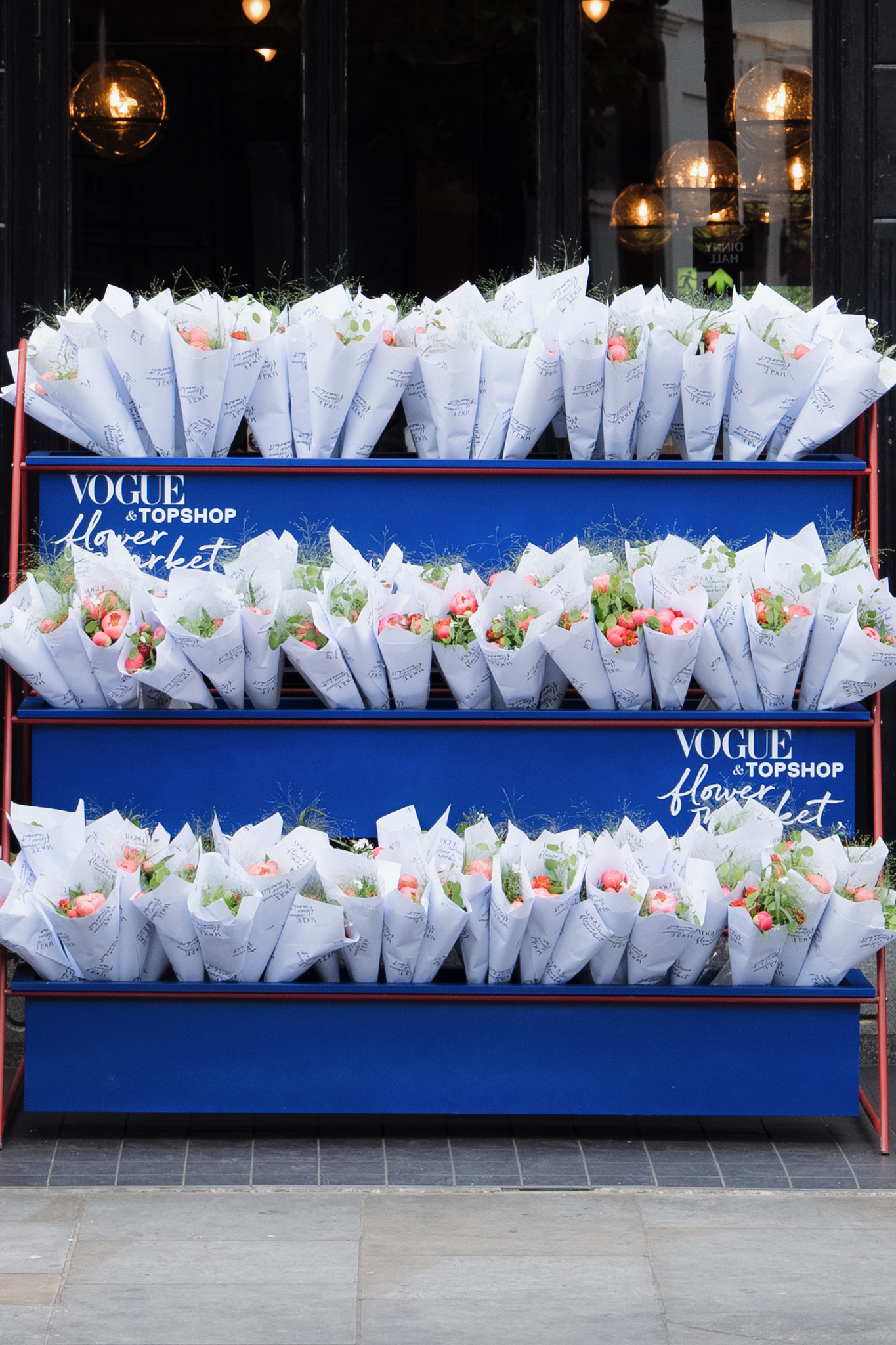
At Blooming Haus, fashion is one of the contexts in which we do our most ambitious floral work. Our largest installation to date — Vogue World 2023 — featured 20,000 red roses.

The relationship between flowers and fashion is genuinely symbiotic. An understanding of floral history, symbolism, and the shifting vocabulary of each season informs everything we design — from runway installations to the bouquets available in our online shop.

Browse our current designs on the Blooming Haus online shop — each one shaped by the same creative process that informs our event and runway work.
Interested in Learning More?
To explore our work or discuss a commission, follow us on Instagram, TikTok, or Facebook, or get in touch directly.
8. Additional Resources You May Find Useful
You may also like: