
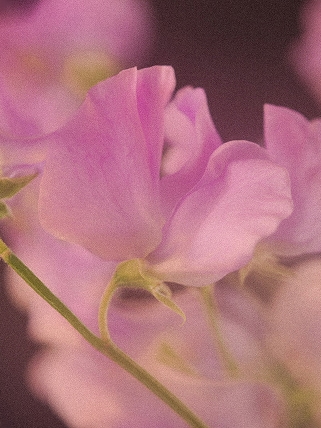

How Did The Poppy Become a Symbol of Remembrance?
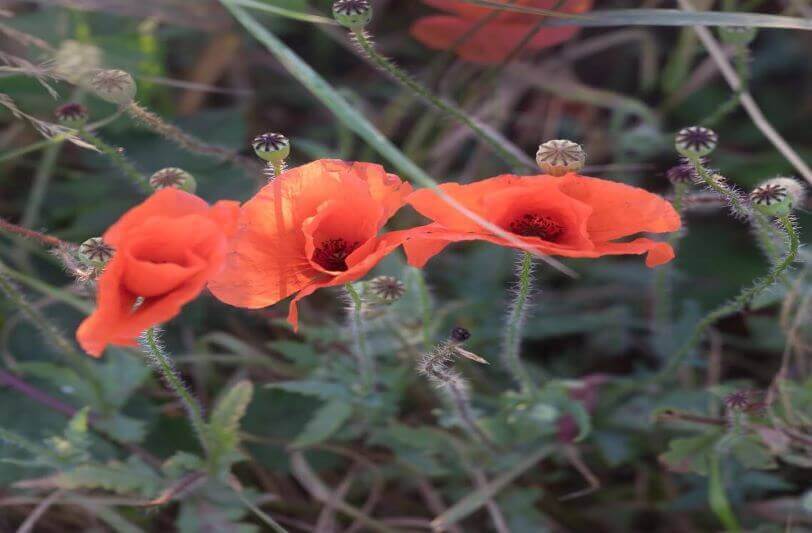
We all know the poppy as a symbol of remembrance.
But how did this association begin? What caused this beautiful flower to become so connected with remembering those who died in conflict?
At Blooming Haus, flowers are our passion, and we love sharing what we know about their history and meaning.
Here we explore the story of the poppy as a symbol of remembrance, and the other meanings this flower carries.
But how did this association begin? What caused this beautiful flower to become so connected with remembering those who died in conflict?
At Blooming Haus, flowers are our passion, and we love sharing what we know about their history and meaning.
Here we explore the story of the poppy as a symbol of remembrance, and the other meanings this flower carries.
How Did the Poppy Become ‘The Flower of Remembrance’?
1. Why is the Poppy a Symbol of Remembrance?
2. The Selling of Artificial Poppies in Britain
3. The Poppy in the Napoleonic Wars
4. The Poppy as a Symbol Internationally
5. Embracing the Symbolism of the Poppy
2. The Selling of Artificial Poppies in Britain
3. The Poppy in the Napoleonic Wars
4. The Poppy as a Symbol Internationally
5. Embracing the Symbolism of the Poppy
1. Why is the Poppy a Symbol of Remembrance?
For most people, the poppy’s reputation as a symbol of remembrance is rooted in the landscapes of the First World War.
The flowers were commonly seen on the battlefields, where conflict had churned up the soil and prompted them to grow.
The flowers were commonly seen on the battlefields, where conflict had churned up the soil and prompted them to grow.

Canadian doctor John McCrae was inspired by the poppy when he wrote his poem “In Flanders Fields” while serving in Ypres.
The poem opens:
“In Flanders fields the poppies blow
Between the crosses, row on row”
McCrae’s poem was published in Punch and inspired American humanitarian Moina Michael to write:
“And now the Torch and Poppy Red, we wear in honour of our dead…”
She also began to campaign for the poppy to become a symbol of remembrance for those who perished during the war.
The poem opens:
“In Flanders fields the poppies blow
Between the crosses, row on row”
McCrae’s poem was published in Punch and inspired American humanitarian Moina Michael to write:
“And now the Torch and Poppy Red, we wear in honour of our dead…”
She also began to campaign for the poppy to become a symbol of remembrance for those who perished during the war.

Image courtesy of VFW POST 3617
Since those early days, the poppy has become closely associated with Armistice Day on 11 November, and Remembrance Sunday, which falls on the closest Sunday to that date.
The poppy has also become more widely recognised as a way of remembering those who have given their lives in all conflicts.
On VE Day, for example, the poppy helps us to remember the casualties of the Second World War.
The poppy has also become more widely recognised as a way of remembering those who have given their lives in all conflicts.
On VE Day, for example, the poppy helps us to remember the casualties of the Second World War.
2. The Selling of Artificial Poppies in Britain
Artificial poppies are sold in Britain each year by the Royal British Legion.
The sale of the artificial poppy first took place in Britain in 1921, the same year that the Royal British Legion was founded by, among others, Earl Haig.
The sale of the artificial poppy first took place in Britain in 1921, the same year that the Royal British Legion was founded by, among others, Earl Haig.

These original artificial poppies were created by Anna Guérin, who sold them to raise money for war orphans in France. While in the UK, she met with Earl Haig and persuaded him to adopt the poppy as the symbol of the Royal British Legion.
The Legion ordered nine million poppies to sell on 11 November 1921. The sale of these silk poppies raised £106,000 to help ex-servicemen and their families.
Given the success of these original poppy sales, a factory was established the following year to produce the flowers in Britain.
The Legion ordered nine million poppies to sell on 11 November 1921. The sale of these silk poppies raised £106,000 to help ex-servicemen and their families.
Given the success of these original poppy sales, a factory was established the following year to produce the flowers in Britain.

The factory remains in operation to this day, producing millions of poppies each year.
Today’s remembrance poppies are made from paper rather than silk, but they remain the same powerful symbol of remembrance they have always been.
The donations made to purchase a poppy help support servicemen and women whose lives have been changed as a result of conflict.
The sale of the remembrance poppy takes place every year in the weeks leading up to Remembrance Sunday.
Today’s remembrance poppies are made from paper rather than silk, but they remain the same powerful symbol of remembrance they have always been.
The donations made to purchase a poppy help support servicemen and women whose lives have been changed as a result of conflict.
The sale of the remembrance poppy takes place every year in the weeks leading up to Remembrance Sunday.
3. The Poppy in the Napoleonic Wars
The poppy is most commonly associated with World War I as a symbol of remembrance, but its connection to the battlefield stretches back further. Anonymous documents written at the time of the Napoleonic Wars referred to poppies growing at battle scenes where soldiers had fallen.

The Napoleonic Wars took place from 1803 to 1815, between the French Empire and various coalitions of European nations, continuing until Napoleon was defeated at the Battle of Waterloo and sent into exile.
The poppy was noted as a familiar sight throughout these conflicts.
The poppy was noted as a familiar sight throughout these conflicts.

Contemporary sources compared the poppy’s blood-red colour to that of blood spilled on the battlefields. As the battles raged, the earth was disturbed and more poppies emerged.
They became a reminder of the Napoleonic Wars long after Napoleon’s exile – an early example of the poppy as a symbol of remembrance, long before its adoption by the Royal British Legion.
They became a reminder of the Napoleonic Wars long after Napoleon’s exile – an early example of the poppy as a symbol of remembrance, long before its adoption by the Royal British Legion.
4. The Poppy as a Symbol Internationally
As luxury floral designers, we love the symbolism that flowers bring into people’s lives – something we explored in our journal post Easter Flowers | 10 Symbolic Choices & Their Meanings.
For us, the poppy carries a particular personal resonance. Michal has fond memories of long summer evenings amidst poppies, and of his grandmother’s poppy seed cakes during weekends in Poland.
For us, the poppy carries a particular personal resonance. Michal has fond memories of long summer evenings amidst poppies, and of his grandmother’s poppy seed cakes during weekends in Poland.

In Slavic culture, dishes with poppy seeds are traditionally eaten at times of death or celebration, such as baptism, because the poppy is seen to symbolise a crossing between life and death.
Beyond this, the poppy carries a wide range of meanings across different cultures and traditions:
Sleep – The drug morphine, derived from poppies, is named after Morpheus, the Greek god of sleep and dreams.
Dreams – Dreams of poppies are said to carry important messages.
Imagination – Poppies are considered a reminder that imagination can make life magical.
Sacrifice – In Christianity, the red poppy is often said to symbolise the blood of Christ on the cross. This association with sacrifice also connects to the poppy’s presence in World War I, and to Virgil’s mention of the flower in his Aeneid, written around 25 BC.
Regeneration – As well as being associated with death, poppies are often taken to represent regeneration, as they are able to grow in poor soil conditions. This is why they are sometimes used in crop rotation.
The eternal life of the soul – Poppies are often regarded on a spiritual level as a reminder that the soul continues to evolve after death.
Beyond this, the poppy carries a wide range of meanings across different cultures and traditions:
Sleep – The drug morphine, derived from poppies, is named after Morpheus, the Greek god of sleep and dreams.
Dreams – Dreams of poppies are said to carry important messages.
Imagination – Poppies are considered a reminder that imagination can make life magical.
Sacrifice – In Christianity, the red poppy is often said to symbolise the blood of Christ on the cross. This association with sacrifice also connects to the poppy’s presence in World War I, and to Virgil’s mention of the flower in his Aeneid, written around 25 BC.
Regeneration – As well as being associated with death, poppies are often taken to represent regeneration, as they are able to grow in poor soil conditions. This is why they are sometimes used in crop rotation.
The eternal life of the soul – Poppies are often regarded on a spiritual level as a reminder that the soul continues to evolve after death.

The poppy as a symbol of remembrance is linked specifically to the red variety. In Asian countries, the red poppy is also associated with success, good fortune, and romantic love.
Other colours carry their own distinct meanings:
– Pink poppies symbolise compassion and platonic love.
– Orange poppies stand for health and regeneration.
– Yellow poppies represent optimism and positive memories of those who have died.
– White poppies signify innocence and purity, and are associated with faith and the eternal soul.
Other colours carry their own distinct meanings:
– Pink poppies symbolise compassion and platonic love.
– Orange poppies stand for health and regeneration.
– Yellow poppies represent optimism and positive memories of those who have died.
– White poppies signify innocence and purity, and are associated with faith and the eternal soul.
5. Embracing the Symbolism of the Poppy
Poppies as a symbol of remembrance are most associated with the Royal British Legion, Armistice Day, and Remembrance Sunday. But their symbolism – and their beauty – can be appreciated at any time of year.
Poppies will grow in most moist but well-drained soils and are a popular addition to a garden. Dead-heading helps to prolong the flowering period. They should be planted directly into garden soil rather than in planters, and are most often grown from seed, though oriental poppies are grown from root cuttings.
Poppies will grow in most moist but well-drained soils and are a popular addition to a garden. Dead-heading helps to prolong the flowering period. They should be planted directly into garden soil rather than in planters, and are most often grown from seed, though oriental poppies are grown from root cuttings.

With a little care, a garden can bloom with an array of poppy colours from late spring to early summer – present as a symbol of remembrance on VE Day.
Poppy colours range from white to shades of pink and deep red.
Even without a garden, wild poppies begin to grow in mid-June and continue to flower into September or October depending on conditions – a beautiful sight in fields and parkland.
Poppies also make a striking addition to floral displays.
Poppy colours range from white to shades of pink and deep red.
Even without a garden, wild poppies begin to grow in mid-June and continue to flower into September or October depending on conditions – a beautiful sight in fields and parkland.
Poppies also make a striking addition to floral displays.

As floral design professionals, the team at Blooming Haus is passionate about creating distinctive and colourful displays, including flowers such as poppies. Each creation is designed with care and attention to detail, and all of our processes are focused on sustainability – so you can appreciate the symbolism of the poppy knowing that the planet is being looked after at the same time.

Flowers by Blooming Haus
Take a look at our online shop for examples of our luxury floristry, or get in touch to discuss expert floral design for events and corporate hospitality.
Call us on 020 3389 9609, or send an email to contact@bloominghaus.com. We would love to hear from you.
Call us on 020 3389 9609, or send an email to contact@bloominghaus.com. We would love to hear from you.
Have questions about the poppy or anything in this article?
Leave a comment below and we will get back to you as soon as possible.
Other Journal Entries You May Like
You may also like: