
Summer Wedding Flowers: 10 Most Stylish Trends in 2023
Planning summer wedding flowers?
From bouquets to tablescapes, summer offers a particularly strong palette to work with. Drawing on our experience in the luxury weddings industry, we’ve put together ten ideas worth considering as you develop your brief.
10 Ideas for Your Summer Wedding Flowers
1. Sunshine Yellow Blooms
2. Larger Installations
3. Tablescapes
4. Eco-Conscious Planning and Choices
5. Contrasting Colours
6. Solo Statement Flower
7. Incorporating Herbs
8. Structural Elements
9. Cloud Textures
10. Enveloping Lines
2. Larger Installations
3. Tablescapes
4. Eco-Conscious Planning and Choices
5. Contrasting Colours
6. Solo Statement Flower
7. Incorporating Herbs
8. Structural Elements
9. Cloud Textures
10. Enveloping Lines
1. Sunshine Yellow Blooms
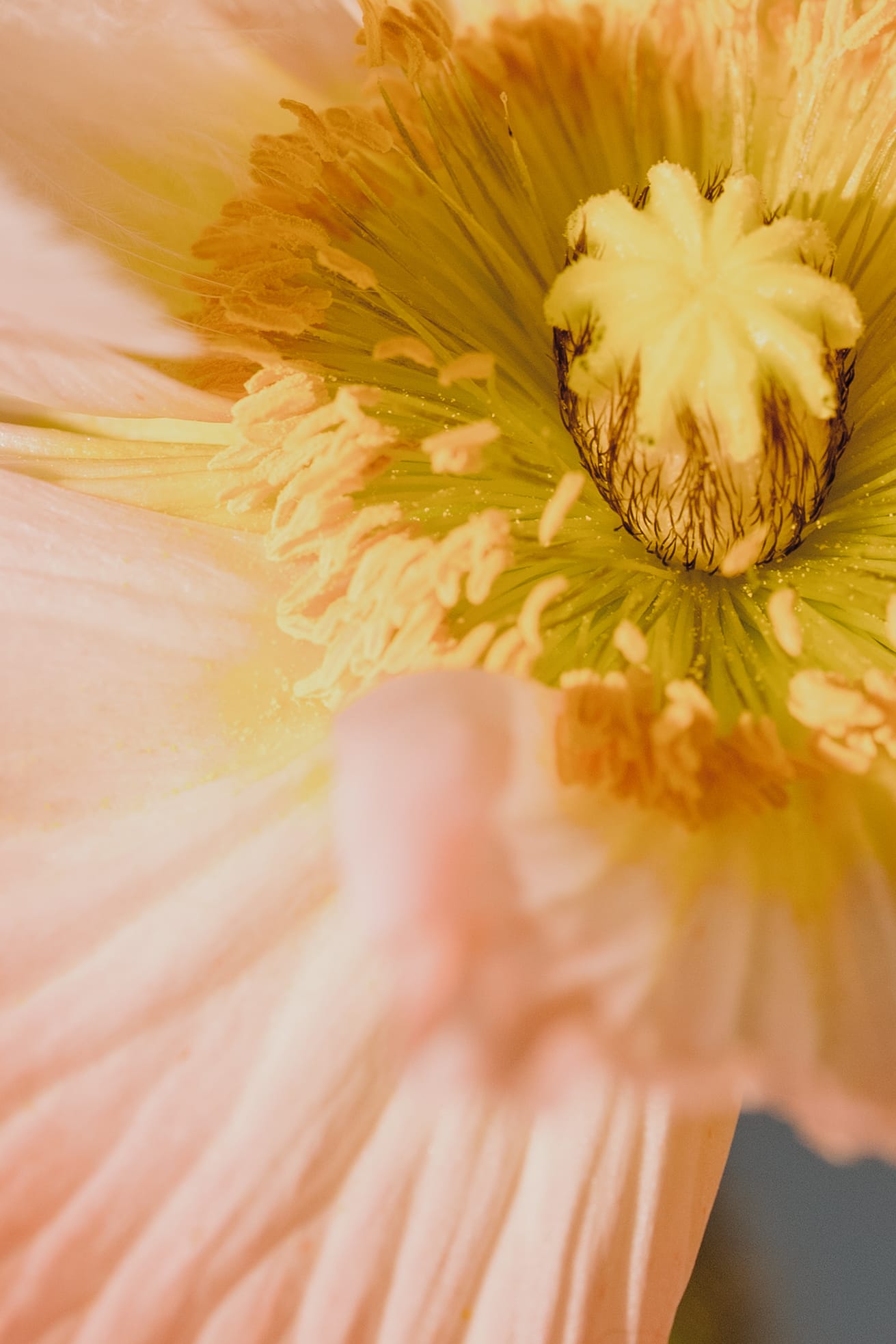
Colourful weddings continue to grow in appeal, and sunshine yellow is among the strongest choices.
A florist with a considered approach to colour psychology can help you create an atmosphere that works for both you and your guests.
For those who want the warmth of yellow in a more restrained register, pastel shades offer a muted and equally refined alternative.
A florist with a considered approach to colour psychology can help you create an atmosphere that works for both you and your guests.
For those who want the warmth of yellow in a more restrained register, pastel shades offer a muted and equally refined alternative.


Consider sunflowers, iris, or allium for a more playful touch.
When you work with Blooming Haus, our team can advise on the best seasonal blooms to include within your chosen colour palette.
When you work with Blooming Haus, our team can advise on the best seasonal blooms to include within your chosen colour palette.
2. Larger Installations
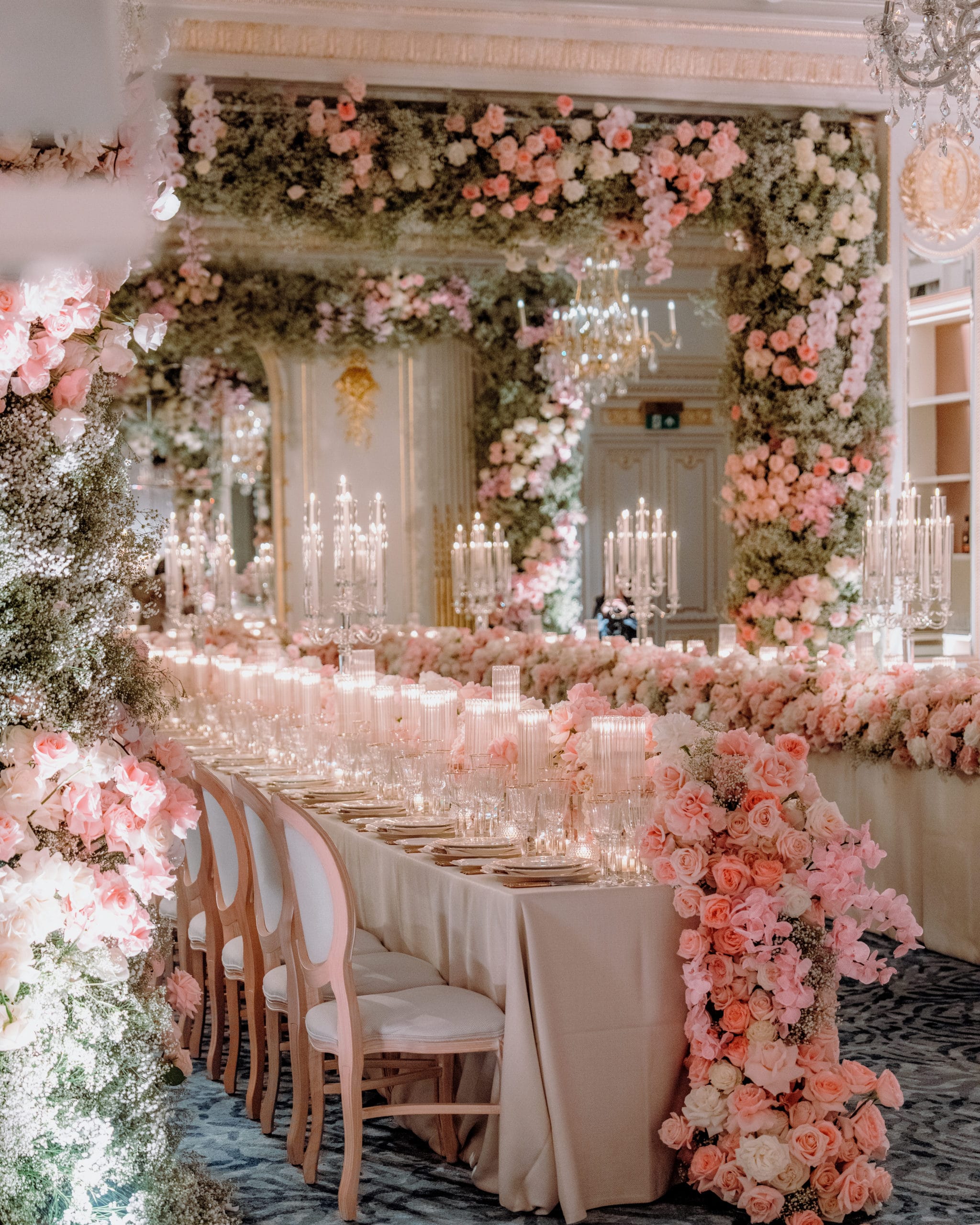
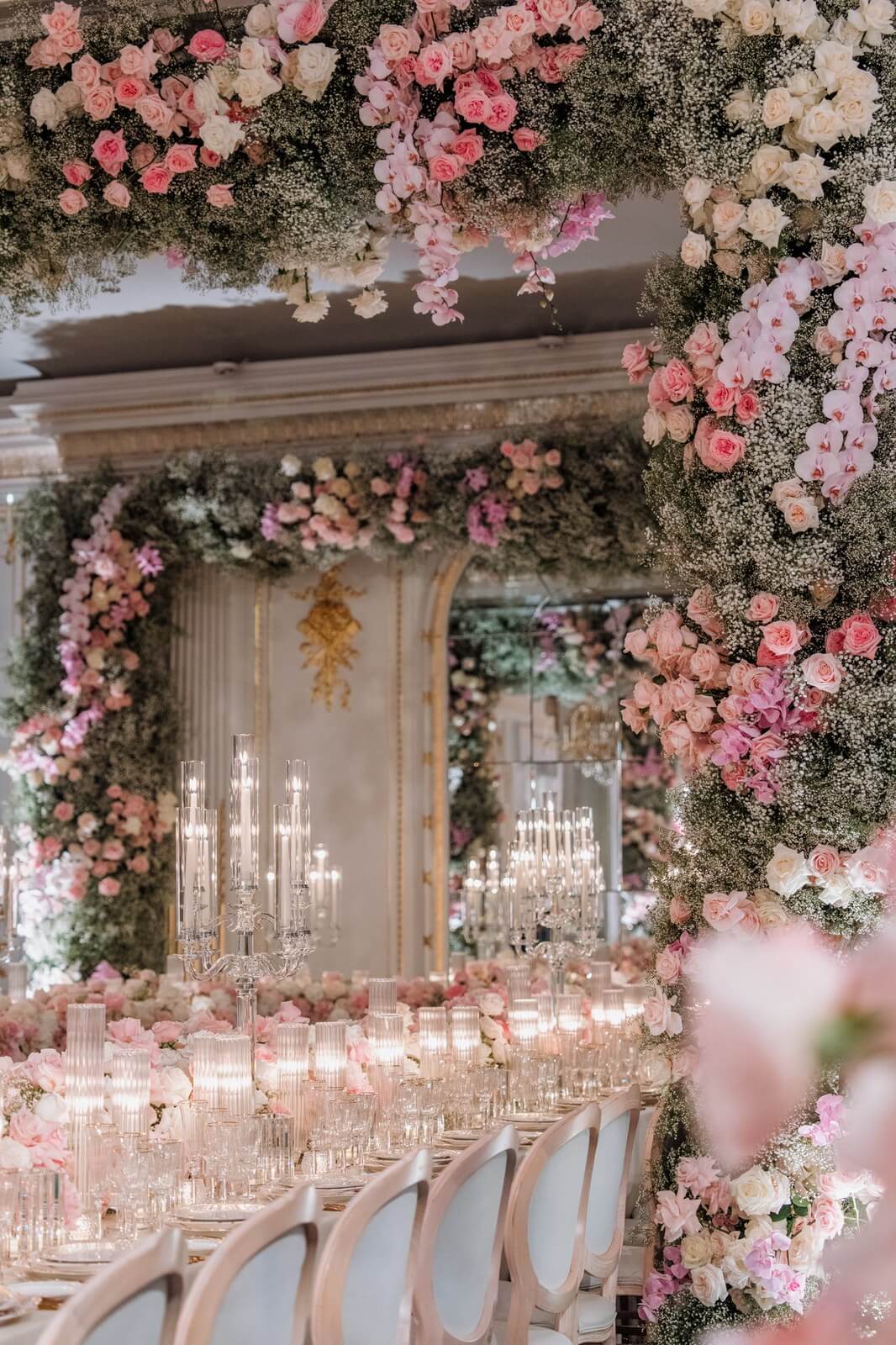
Scale is increasingly central to what couples ask of us. A substantial flower arch or bannister garland creates a stronger visual impression — both in photographs and in person — than smaller, more dispersed arrangements.
Entrances and flower arches are an established choice, but there are often less obvious opportunities within a venue. We’re glad to assess the space with you and identify ways to use it well.
Entrances and flower arches are an established choice, but there are often less obvious opportunities within a venue. We’re glad to assess the space with you and identify ways to use it well.


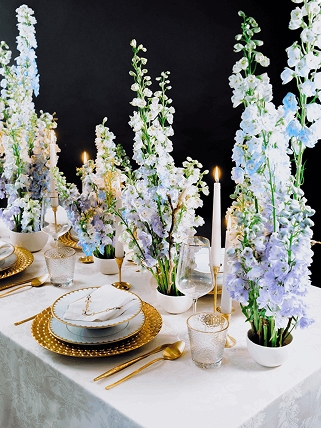
Grounded arrangements, like the ones pictured above, work particularly well in outdoor venues as a way of anchoring the space.
3. Tablescapes
The reception table deserves the same level of attention as the ceremony itself.
For the best results, we work alongside planners, stylists, and decor vendors to create tables where every element is considered.
Whether your preference is abundance or restraint, the goal is always coherence.
For the best results, we work alongside planners, stylists, and decor vendors to create tables where every element is considered.
Whether your preference is abundance or restraint, the goal is always coherence.

A well-executed table rewards sustained attention — every detail visible from multiple angles and distances.
For larger weddings with many tables, the couple’s seating area is typically the natural focal point. The remaining tables should complement it without competing.
Variety in colour, shape, and texture is welcome, provided the overall palette remains coherent. If the brief feels complex, professional guidance helps clarify the choices early.
For larger weddings with many tables, the couple’s seating area is typically the natural focal point. The remaining tables should complement it without competing.
Variety in colour, shape, and texture is welcome, provided the overall palette remains coherent. If the brief feels complex, professional guidance helps clarify the choices early.
4. Eco-Conscious Planning & Choices
Seasonality is one of the most straightforward ways to make responsible choices. Summer blooms are available in abundance during the season for which they’re naturally suited — using them is both practical and ecologically sound.
To explore which blooms are in season during summer, see our journal entry:
Summer Weddings: What Flowers Are In Season?
At Blooming Haus, building a sustainable business is central to how we operate.
To explore which blooms are in season during summer, see our journal entry:
Summer Weddings: What Flowers Are In Season?
At Blooming Haus, building a sustainable business is central to how we operate.

Beyond flowers, we’re continually improving our processes — you can read more about our approach here.
We can help you minimise waste, manage budget, and make choices that sit lightly on the environment.
Where it’s relevant, we can also recommend wedding planners and suppliers who share the same approach.
Among our sustainability practices, one that clients often ask about is our commitment to planting a tree after every wedding.
We can help you minimise waste, manage budget, and make choices that sit lightly on the environment.
Where it’s relevant, we can also recommend wedding planners and suppliers who share the same approach.
Among our sustainability practices, one that clients often ask about is our commitment to planting a tree after every wedding.
5. Contrasting Colours
Bold colour contrasts are often approached with caution, with couples concerned they might compromise the elegance of the occasion.
In practice, a strong colour palette and a considered aesthetic are not in conflict. A skilled florist can design with both in mind.
In practice, a strong colour palette and a considered aesthetic are not in conflict. A skilled florist can design with both in mind.

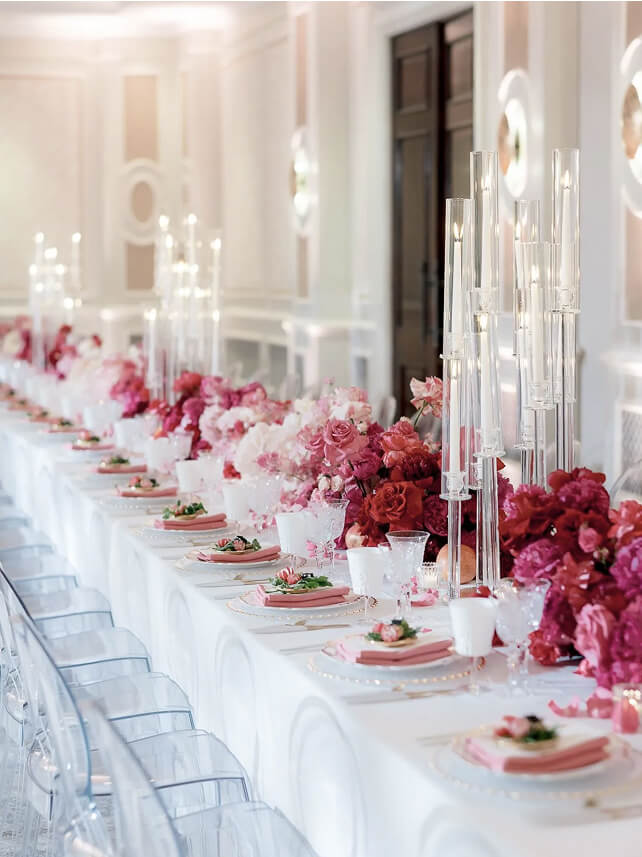
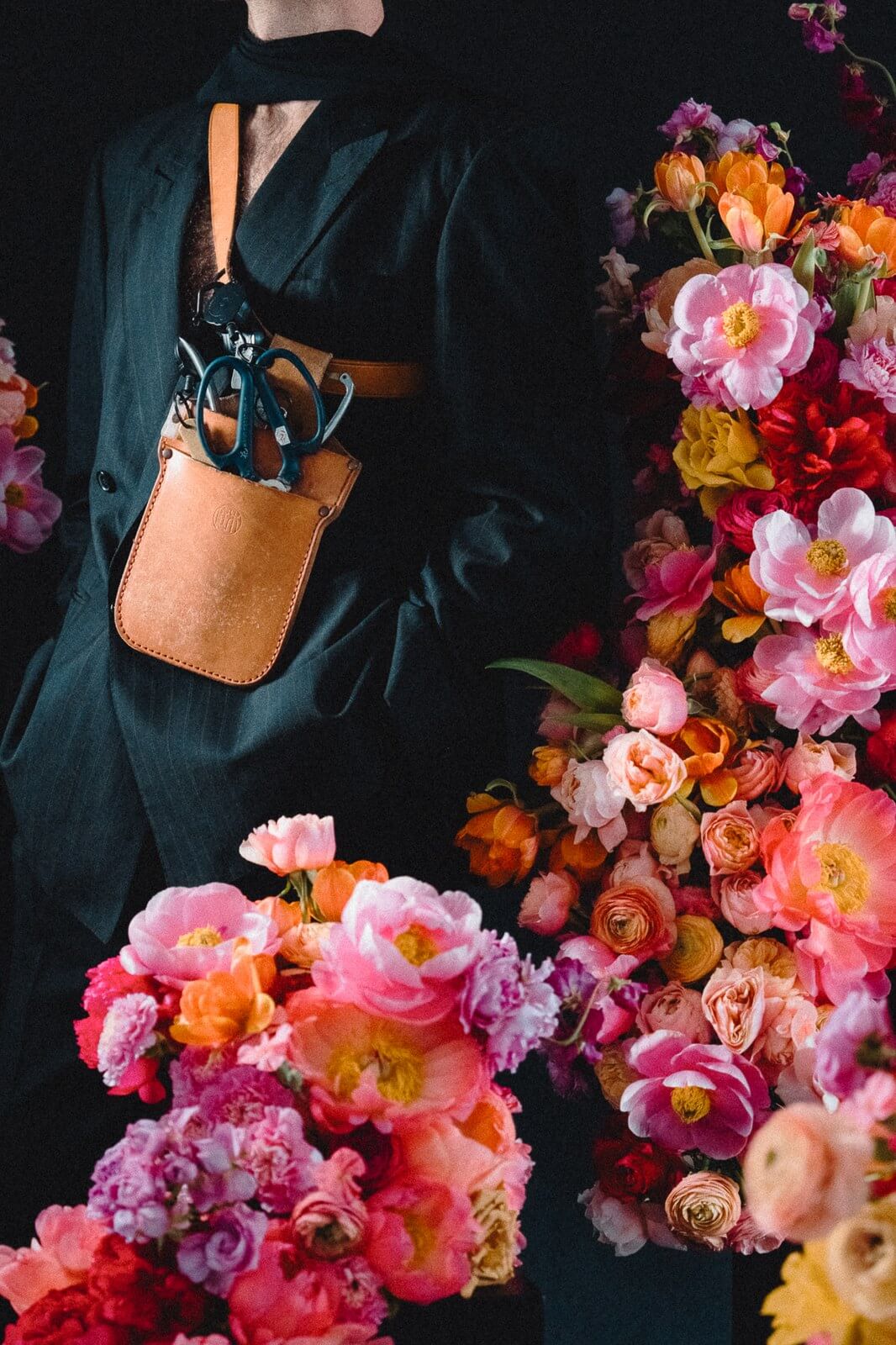
Pink and red — as in the florals above — is a combination that reads as both vivid and refined.
6. Solo Statement Flowers
Committing to a single flower variety is not a limitation — used with intention, it creates a strong and coherent impact.


Sticking with the same colour theme throughout the chosen flower reinforces the effect further.
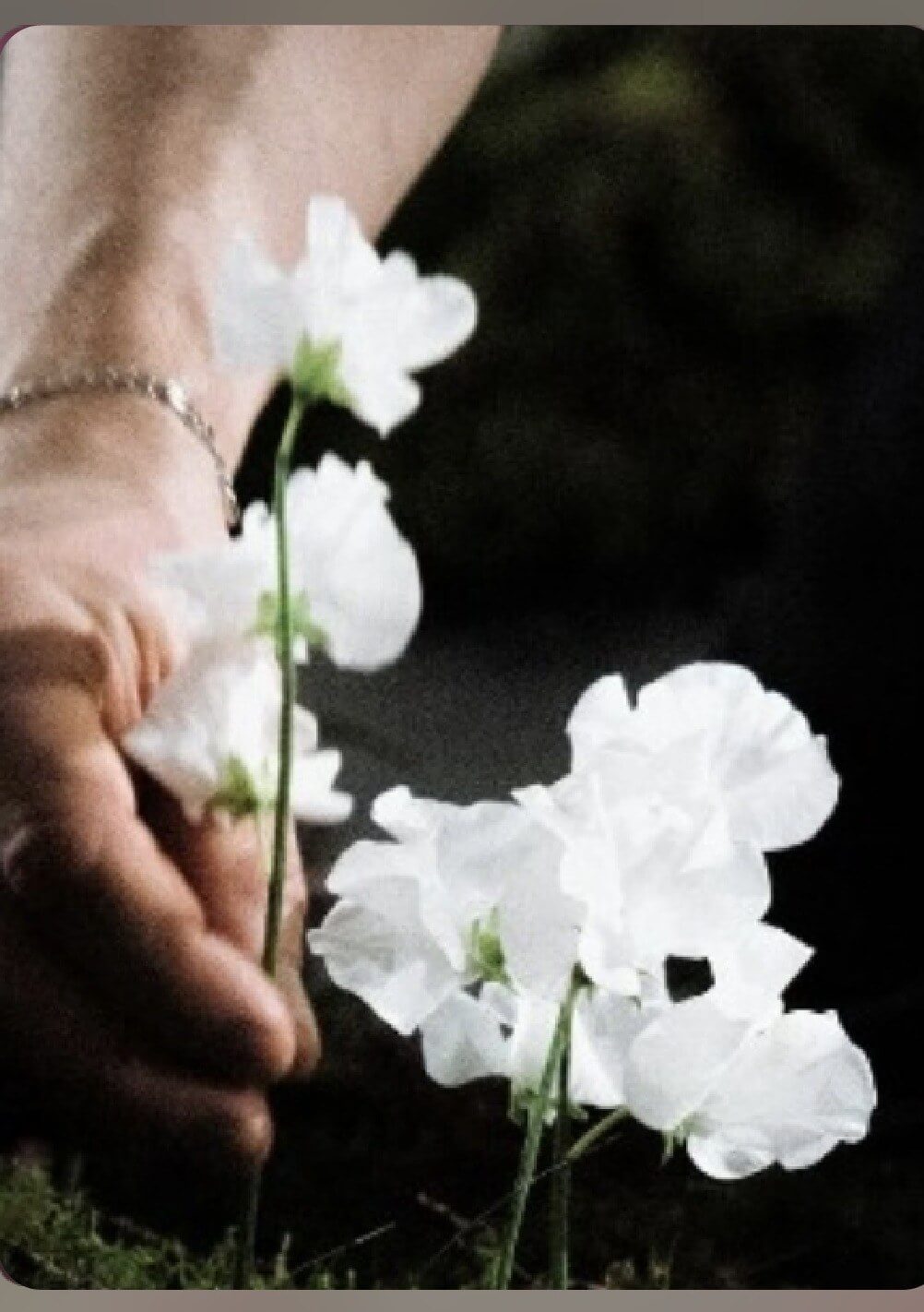
White is the most prevalent choice, but a well-chosen accent colour can be equally compelling.
For a softer, textural approach, consider clouds of gypsophila; for something more structured and classical, roses remain a reliable foundation.
White is the most prevalent choice, but a well-chosen accent colour can be equally compelling.
For a softer, textural approach, consider clouds of gypsophila; for something more structured and classical, roses remain a reliable foundation.
7. Incorporating Herbs
The tradition of including herbs in wedding bouquets has Greek origins — the chosen herbs were said to lend their virtues and strengths to the wearer.
For a time, the practice fell out of favour in contemporary floristry. It’s now finding its way back, interpreted in ways that suit a modern brief.
Mint is a particularly strong choice for summer work.
For a time, the practice fell out of favour in contemporary floristry. It’s now finding its way back, interpreted in ways that suit a modern brief.
Mint is a particularly strong choice for summer work.

Rather than limiting herbs to the bouquet, consider incorporating them into table centrepieces as well.
Mint in particular has a calming quality and a scent that carries naturally through a space.
Mint in particular has a calming quality and a scent that carries naturally through a space.
8. Structural Elements
Incorporating structural elements is something Blooming Haus approaches with particular care.
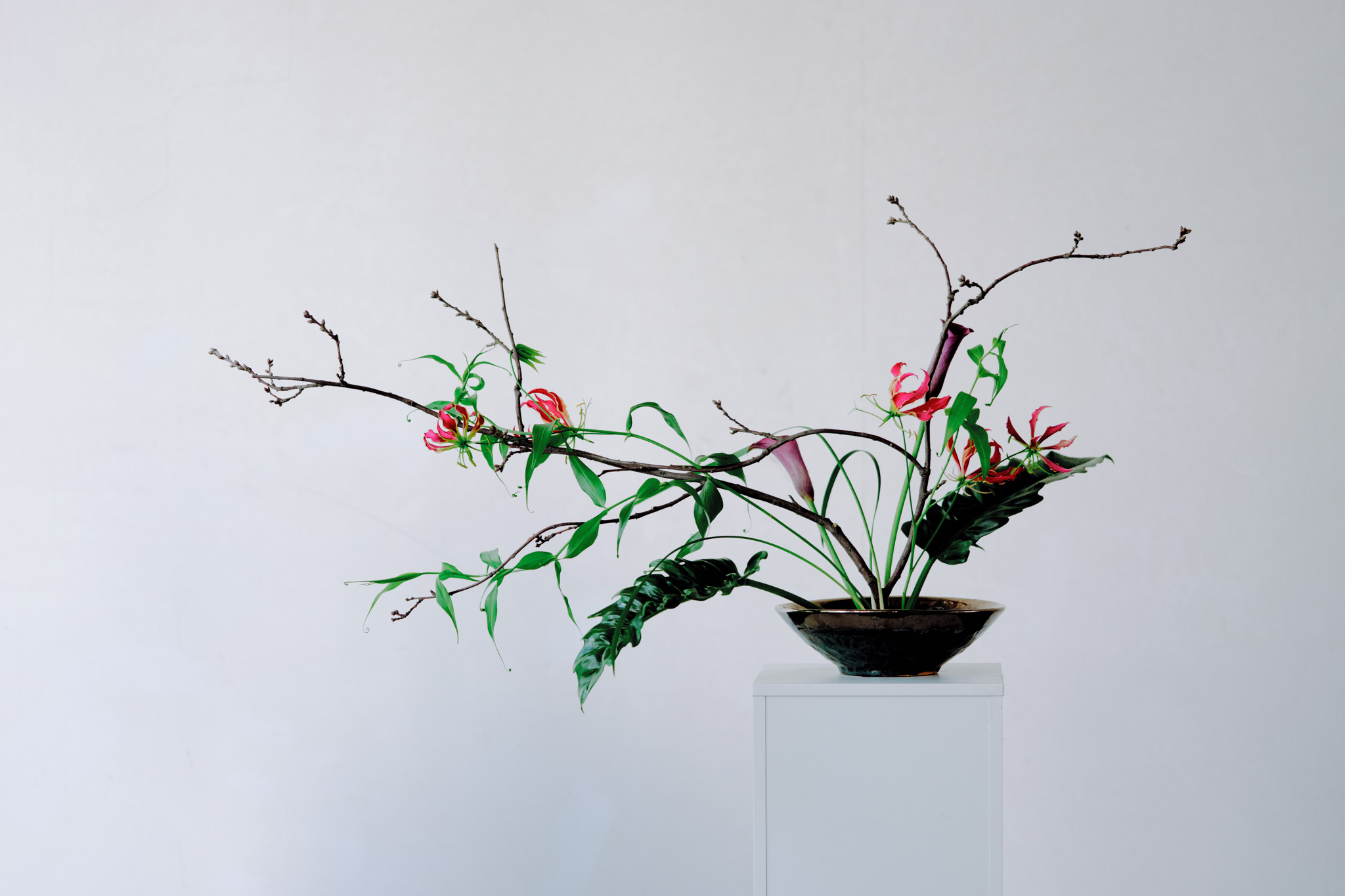
The principle involves using organic materials and considered lines to give arrangements a sculptural quality. Examples are below.
The principle involves using organic materials and considered lines to give arrangements a sculptural quality. Examples are below.


Structural designs work particularly well in indoor venues as a way of introducing the quality of the outside.
The approach can be as restrained or as expansive as the brief requires, and tends to produce a strong visual result where a more conventional arrangement might not.
Michal’s background in art informs his approach to installations and brings a considered eye to how line, form, and material work together in a space.
The approach can be as restrained or as expansive as the brief requires, and tends to produce a strong visual result where a more conventional arrangement might not.
Michal’s background in art informs his approach to installations and brings a considered eye to how line, form, and material work together in a space.
9. Cloud Textures
Texture in floristry tends to be associated with autumn, but summer offers its own strong case for it.
Soft, light textures work particularly well in the season — creating an airy quality that suits the warmth and openness of summer venues.
Soft, light textures work particularly well in the season — creating an airy quality that suits the warmth and openness of summer venues.


A florist can advise on how texture interacts with your venue, lighting, and colour scheme.
Soft dried flowers and baby’s breath are particularly effective choices — both lend an ethereal quality to arrangements without competing with other elements.
Soft dried flowers and baby’s breath are particularly effective choices — both lend an ethereal quality to arrangements without competing with other elements.
10. Enveloping Lines
Curvilinear shapes — soft edges, rounded forms, arrangements that wrap and surround — create a sense of warmth and enclosure that suits the hospitality of a wedding setting.
Avoiding harsh angles or rigid geometry in favour of flowing, generous forms tends to produce arrangements that feel genuinely welcoming rather than decorative in a purely formal sense.
Avoiding harsh angles or rigid geometry in favour of flowing, generous forms tends to produce arrangements that feel genuinely welcoming rather than decorative in a purely formal sense.


Statement arches using hydrangeas, or oversized bouquets built around peonies and foliage, are well-suited to this approach and capture the generosity of the season.
Planning Your Summer Wedding Flowers
If any of the ideas above have been useful as a starting point, we’d be glad to help you develop them further.
Our approach to wedding floristry is to work from the specific requirements of your event — the venue, the brief, the aesthetic — rather than from a fixed template.
We bring the same attention to detail to every element of the design.
Our approach to wedding floristry is to work from the specific requirements of your event — the venue, the brief, the aesthetic — rather than from a fixed template.
We bring the same attention to detail to every element of the design.

Our process:
– Meet you in situ at your venue and draw initial sketches.
– Develop more detailed designs from those sketches.
– Agree on the designs with you.
– Create the finished florals.
– Complete your wedding flower landscape on the day.
– Meet you in situ at your venue and draw initial sketches.
– Develop more detailed designs from those sketches.
– Agree on the designs with you.
– Create the finished florals.
– Complete your wedding flower landscape on the day.

We also have connections with top London wedding suppliers and can make introductions where helpful.
10 Best Wedding Suppliers in London | Get The Luxe Look
10 Best Wedding Suppliers in London | Get The Luxe Look

Call us on 020 3389 9609 to discuss flowers for your wedding, or send an email to contact@bloominghaus.com.
We look forward to hearing from you.
CONTACT US
We look forward to hearing from you.
CONTACT US
Comments or questions about summer wedding flowers?
Leave a comment below and we’ll get back to you.
Other Journal Entries You May Find Useful
You may also like: