
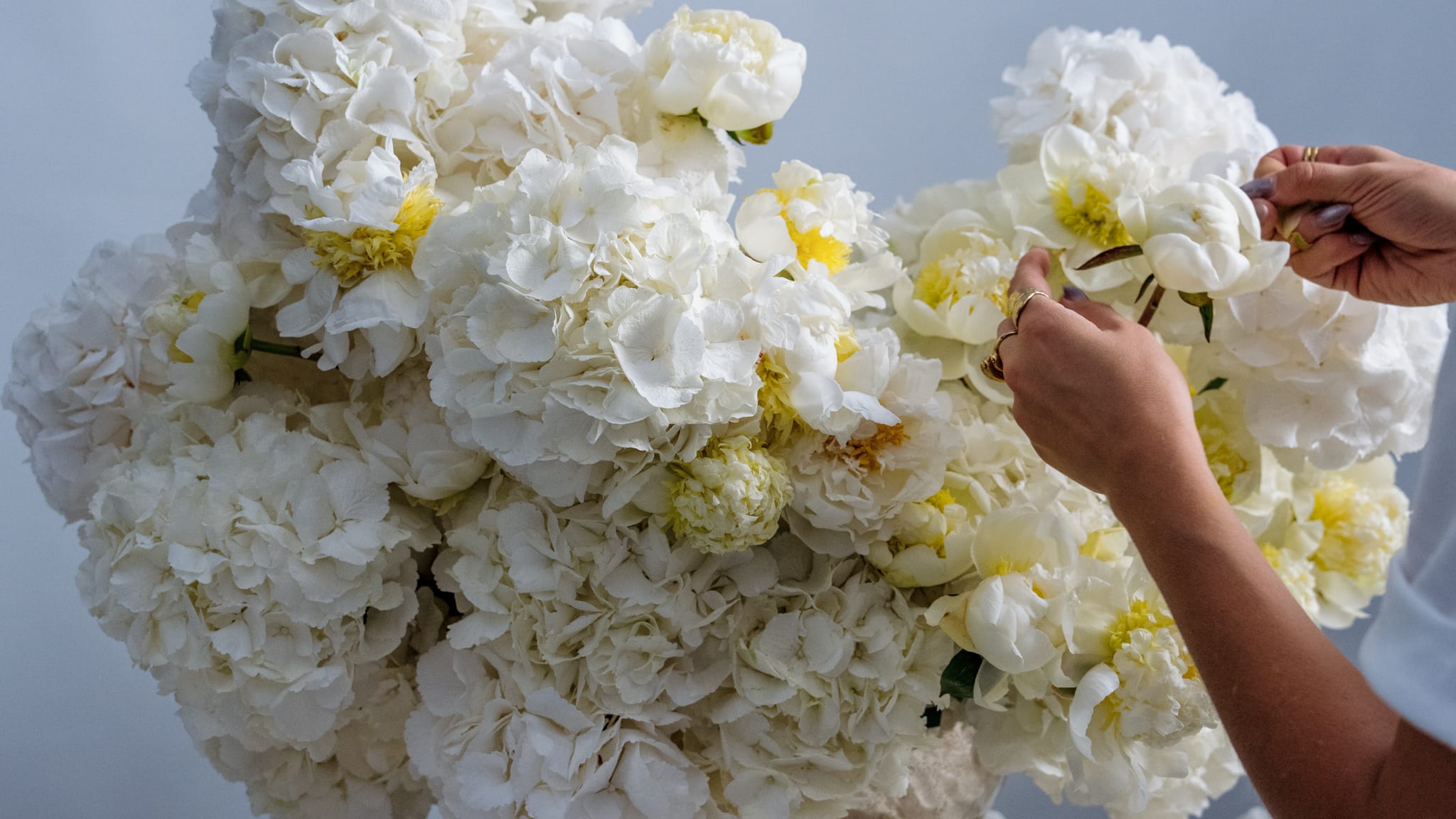
How to Choose an Event Florist for Your Brand
Choosing an event florist is a creative decision, not a procurement exercise. The right florist does not simply deliver arrangements. They interpret your brief, respond to your brand, and produce work that shapes how guests experience the space. The wrong one gives you flowers. Knowing how to choose an event florist is particularly important for brands that rely on events to communicate identity, build relationships, and create moments worth photographing. The floral design is part of the visual language of the event. It deserves the same consideration as the venue, the catering, and the lighting.
Start With the Work, Not the Website
Every florist’s website shows their best work. That is expected. But look beyond the hero images and consider the range and consistency of the portfolio.
Questions to Ask Yourself When Reviewing Work
Does the work have a point of view? Good event florists have a recognisable design sensibility. Not a formula, a sensibility. You should be able to see a thread that connects their projects, even when the briefs are different. This thread is what tells you the florist has a design mind, not just technical skill.
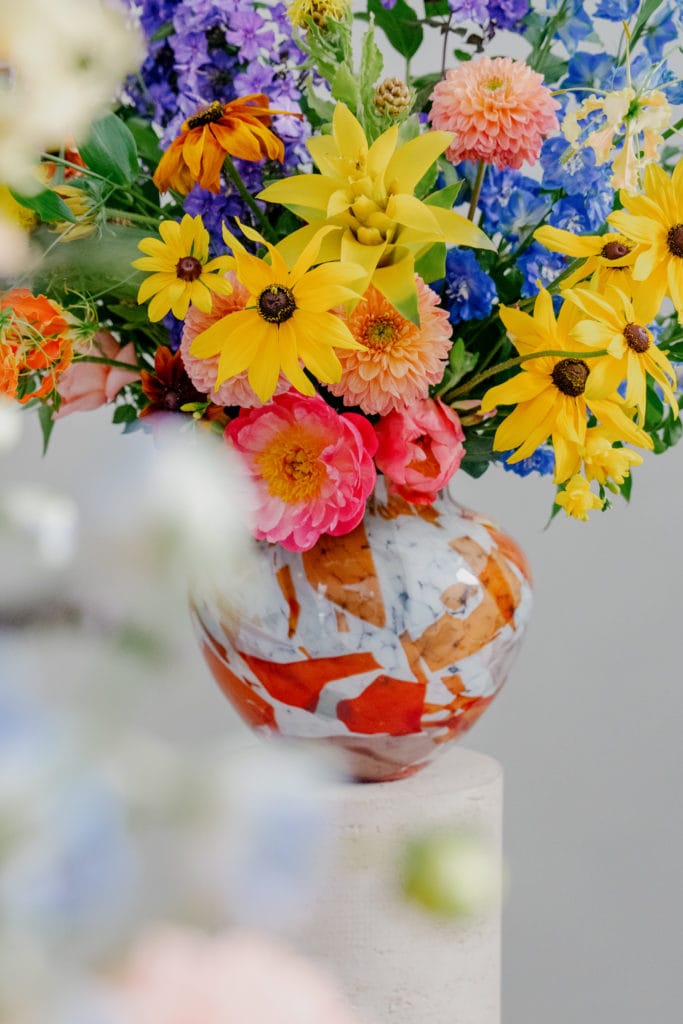
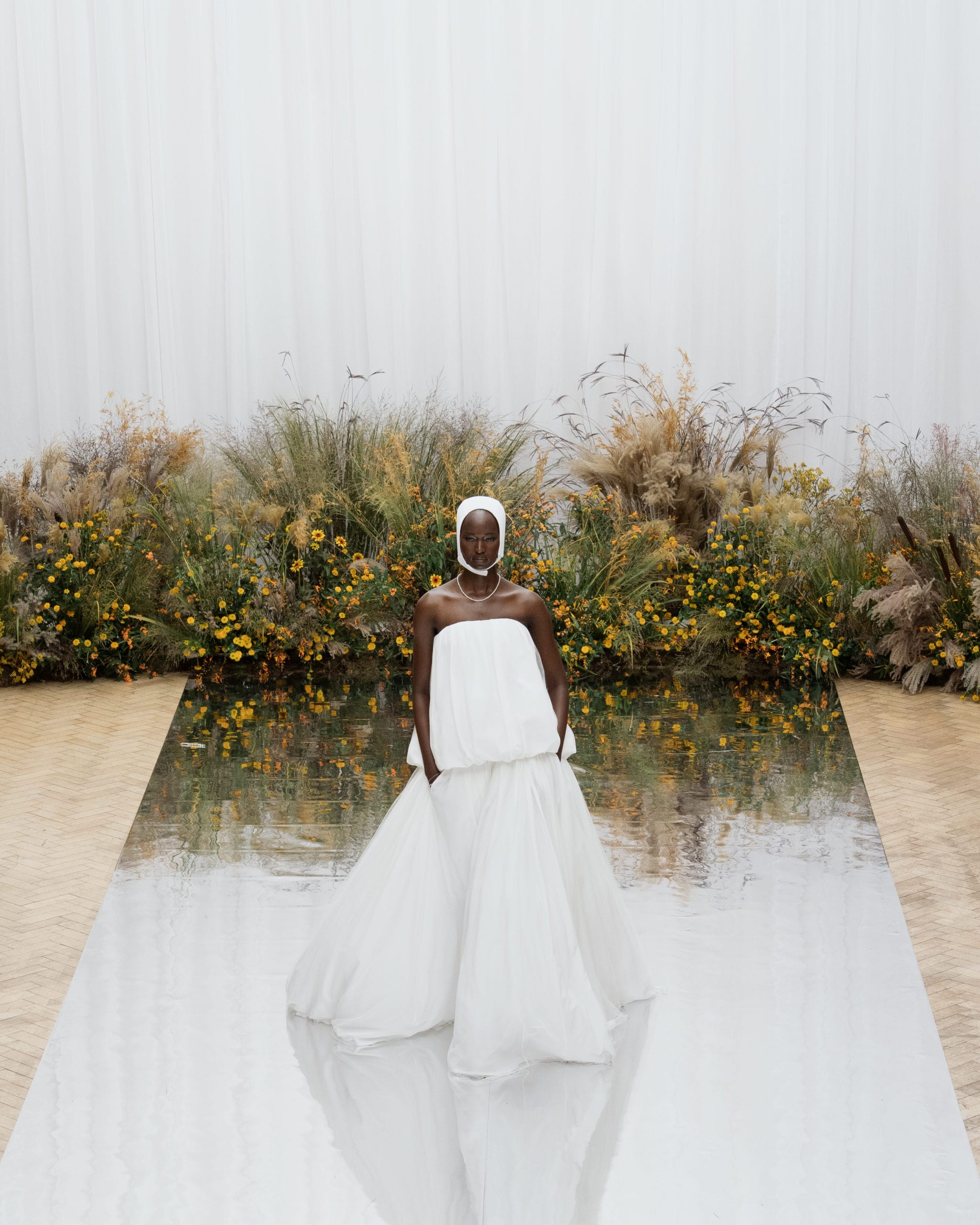
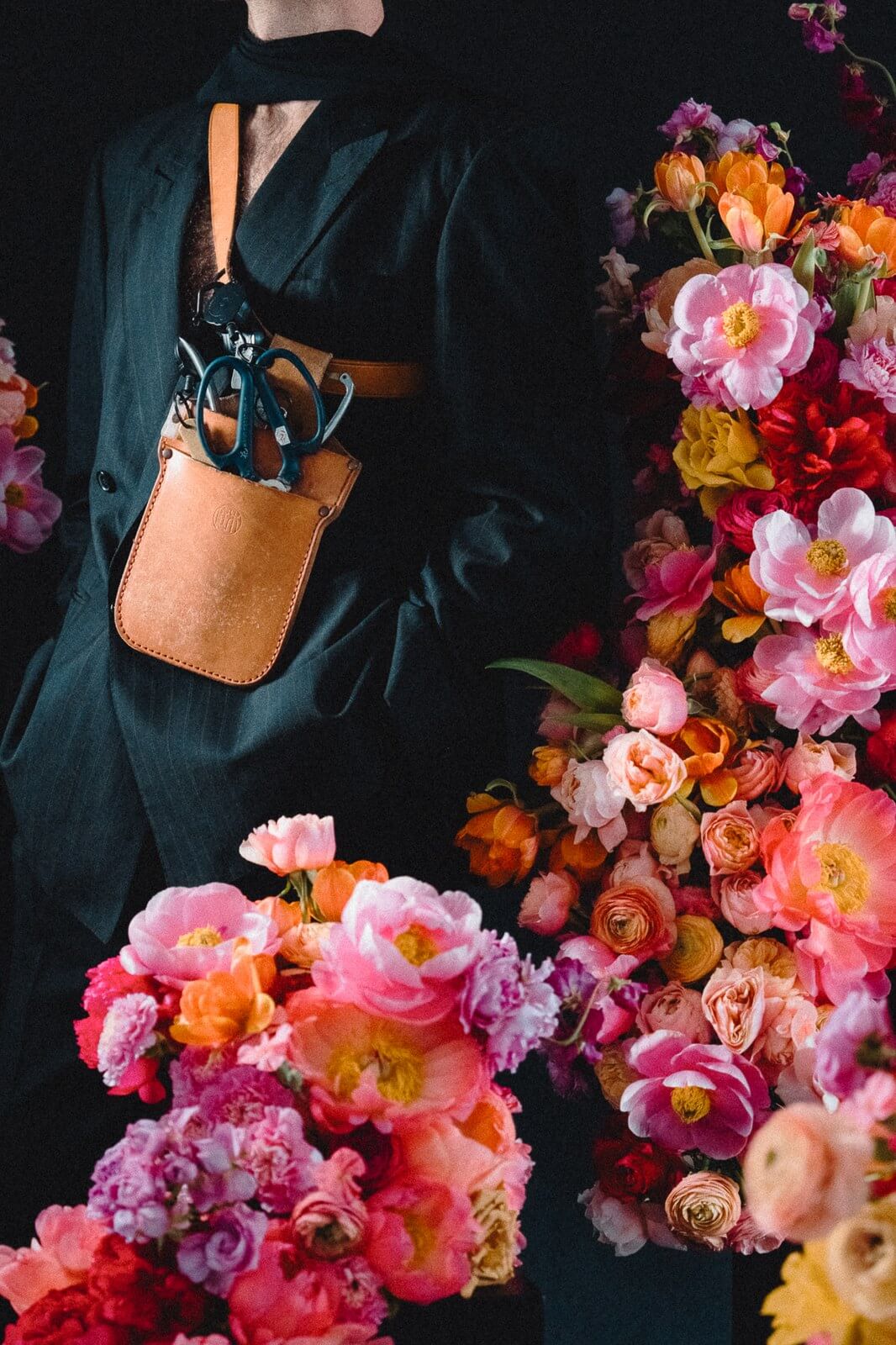
David Hockney Inspired Floral Arrangement
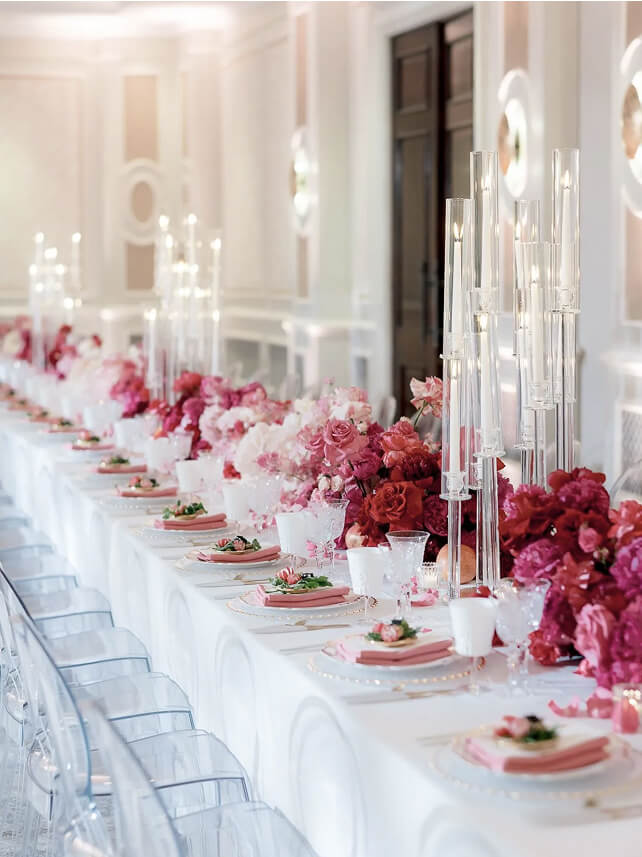
Does the scale vary? A florist who only shows large installations may struggle with intimate table compositions. A florist who only shows small arrangements may not have the operational infrastructure for a major event. Look for evidence of range. Do the flowers look alive? This sounds obvious, but it is a genuine differentiator. Well-sourced, properly conditioned flowers have a luminosity and a natural movement that over-processed or poorly handled stems lack. If the flowers in the portfolio look stiff, uniform, or artificial, the sourcing and conditioning practices may not be strong. Is the work site-specific? The best event florals respond to the venue. They work with the architecture, the light, and the character of the space. If every project in the portfolio looks like it could have been installed anywhere, the florist may not be designing for the space. They may be placing arrangements in it.
Understand the Design Process
How a florist works is as important as what they produce. The design process determines whether the end result will genuinely respond to your brief or simply approximate it.
What a Good Process Looks Like
It starts with listening. The first conversation should be about your brand, your event, and your objectives, not about the florist’s availability or package pricing. A good event florist asks questions before proposing solutions. There is a concept stage. Between the initial conversation and the proposal, there should be a period of design development. The florist should present a concept before committing to specific flowers and costings: a mood, a palette, an approach. This is where the creative value lives. The proposal is detailed. A considered proposal breaks down the floral plan by location within the venue: entrance, reception area, bar, dining tables, stage, rest rooms. It specifies the type of arrangement at each point, the palette, and the investment. Vague proposals produce vague results. There is room for dialogue. The best work comes from a collaborative process. The florist should welcome feedback, offer alternatives, and refine the proposal in response to your input. If the process feels transactional, brief in and quote out, the design is unlikely to be tailored to your needs.
Red Flags in the Process
- A florist who quotes before understanding the brief
- A proposal that lists flower names without explaining the design intent
- No site visit or venue discussion before finalising the concept
- Reluctance to share references, mood boards, or visual direction
- A one-size-fits-all approach regardless of the brand or event type
Assess Operational Capability
Creative skill is necessary but not sufficient. Event florals require operational competence: the ability to deliver complex installations on time, in challenging venues, under pressure.
Logistics and Infrastructure
Installation capacity. Large-scale event florals require teams. Ask the florist how many people they typically deploy for events of your scale. Ask about their process for overnight builds, early morning load-ins, and multi-venue events. Venue experience. London venues have particular requirements: restricted access hours, service lift limitations, protected surfaces, fire regulations. A florist who has worked at your venue before will navigate these constraints more efficiently. If they have not, ask how they plan to manage the logistics. Supply chain reliability. Ask about sourcing. Where do the flowers come from? How far in advance are they ordered? What happens if a specific variety is unavailable? A reliable supply chain means fewer surprises on the day. Breakdown and waste management. The florist’s responsibility does not end when the event starts. Ask about their process for post-event breakdown, waste removal, and what happens to the flowers afterwards.
Working With Other Suppliers
Event florals rarely exist in isolation. The florist needs to coordinate with lighting designers, set builders, caterers, and event producers. Ask about their experience working as part of a wider production team. The best event florists are good collaborators. They communicate clearly with other suppliers, respect shared timelines, and adapt when the production schedule shifts, which it almost always does.
Evaluate the Relationship, Not Just the Product
Event floristry is a service relationship, and the quality of that relationship affects the work.
Communication
How responsive is the florist? How clearly do they communicate timelines, costs, and design decisions? Do they keep you informed throughout the process, or do you have to chase updates? Good communication is not about speed. It is about clarity and reliability. A florist who takes a day to respond with a considered answer is more valuable than one who replies instantly with something vague.
Consistency
If your brand runs multiple events per year, consistency matters. You want a florist who delivers a reliable standard across different events, venues, and seasons. This is partly about quality control and partly about institutional memory: a florist who knows your brand, your preferences, and your visual standards produces better work over time. Ask for references from long-term clients. A florist who maintains multi-year relationships is demonstrating something about their consistency and their collaborative approach.
Creative Confidence
The right event florist should bring ideas to the table, not just respond to yours. Look for someone who challenges your thinking constructively. Someone who suggests alternatives, proposes something you had not considered, or pushes the design in a direction that makes the work stronger. This requires confidence, and it requires trust in both directions. The florist needs to trust that you are open to creative input. You need to trust that their suggestions are grounded in experience.
Consider Sustainability
Sustainability in event floristry is no longer a niche concern. Many brands now require environmental accountability from their suppliers, and the floral element is part of that.
What to Ask
Is the work foam-free? Floral foam is a single-use plastic. It breaks into microplastics. It cannot be recycled. Many florists still use it because it is faster and easier. Foam-free design, using chicken wire, kenzan, moss, and mechanical structures, takes more skill and more time, but it eliminates a significant source of plastic waste. Where are the flowers sourced? Seasonal, locally grown flowers have a lower environmental impact than stems flown from the southern hemisphere. Ask about the florist’s sourcing policy. A good florist will be honest about the balance between British-grown and imported flowers. What certifications do they hold? Certifications provide independent verification. B Corp certification, Planet Mark accreditation, or membership of sustainable floristry networks are all indicators that the commitment is structural, not performative. What happens after the event? Composting, donation, reuse of materials: ask about the florist’s end-of-event process. A sustainable practice accounts for the full lifecycle of the installation, not just the build.
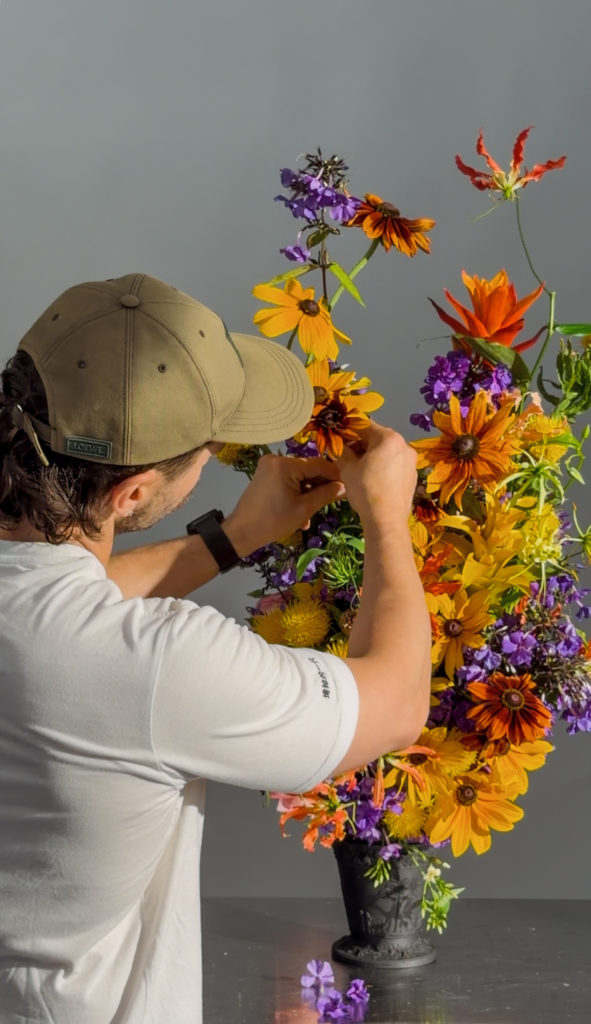
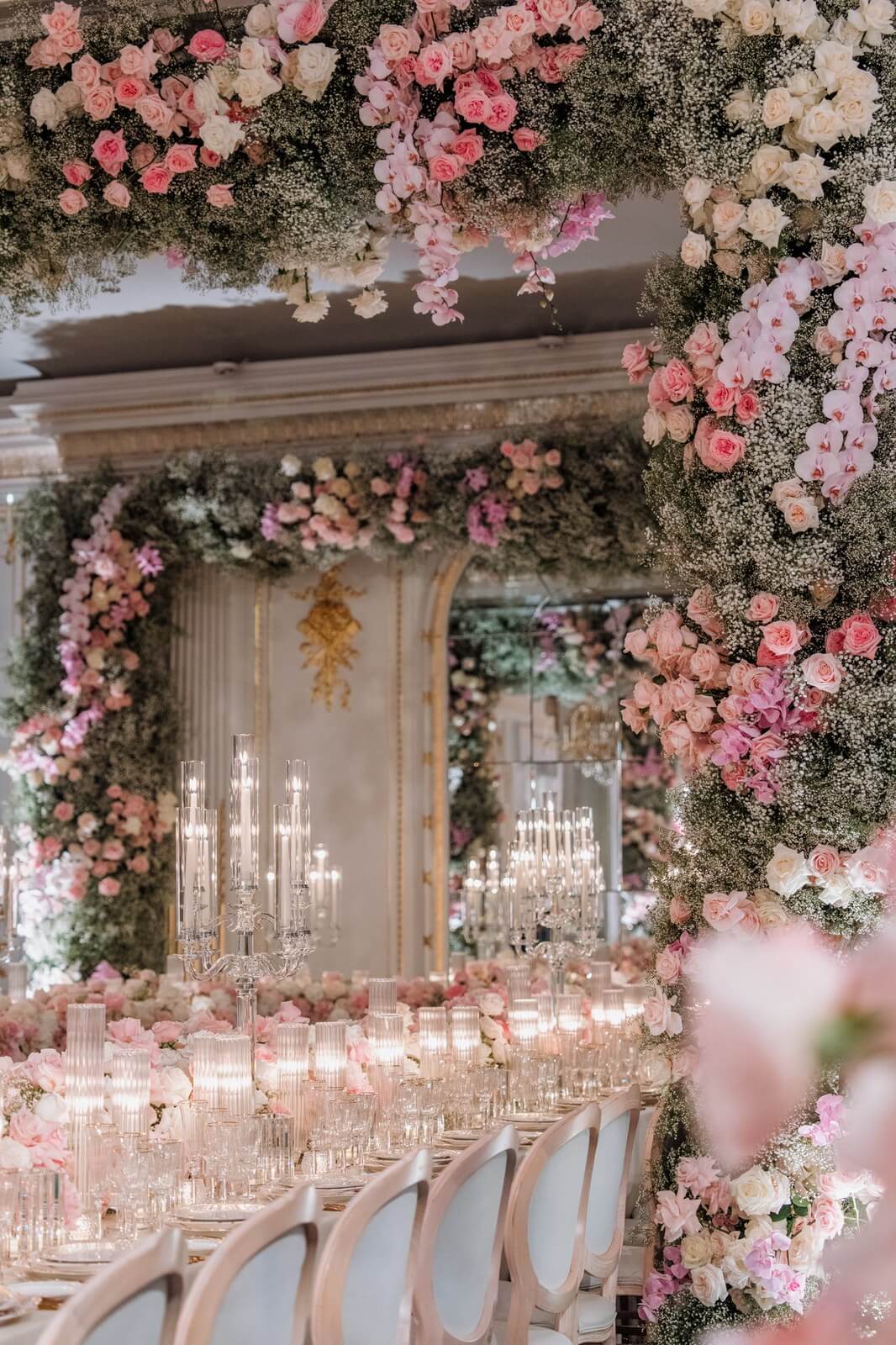
Foam Free Floral Arrangement
The Question of Budget
Budget conversations in event floristry are often uncomfortable because the client does not know what things cost and the florist does not want to be the one to say it.
How to Approach It
Be open about the budget range. A good florist will design to the budget, not around it. Knowing the budget early allows the florist to propose a realistic scope. That might mean fewer floral moments but each one more impactful, or a shift from expensive imported varieties to seasonal alternatives that are equally beautiful. Understand what drives cost. The main cost drivers are: the number of arrangements, the scale of each arrangement, the complexity of installation (suspended work, structural pieces, multi-level builds), the season, and the venue logistics. A large table centre costs less than a suspended installation, not because it is less beautiful, but because it requires less infrastructure. Ask for a phased breakdown. A detailed proposal should break down costs by design, sourcing, labour, logistics, and breakdown. This transparency helps you understand where the investment is going and where adjustments can be made if needed.
How to Choose an Event Florist: A Summary
The decision comes down to five things. Design quality. Does the work demonstrate a clear aesthetic, a range of scale, and sensitivity to the spaces where it is installed? Process rigour. Is the design process structured, transparent, and collaborative? Operational reliability. Does the florist have the infrastructure and experience to deliver consistently, on time, and at the standard you expect? Values alignment. Does the florist’s approach to sustainability, communication, and collaboration match your own? Creative partnership. Can you see this being more than a transactional relationship? The best event florals come from florists who understand the brand and invest in the relationship over time.
Working With Us
At the studio, we design flowers for corporate events, fashion events, private celebrations, and brand activations across London. Our event flowers practice covers commissions from intimate dinners to large-scale installations. We work foam-free across all projects. We source seasonally. And we approach every brief as a design problem, not a fulfilment exercise.
Starting the Conversation
If you are considering how to choose an event florist for an upcoming project, we are happy to talk through the approach. No proposal is required at this stage, just a conversation about the event, the brand, and what you are hoping the flowers will achieve. Get in touch to arrange an initial conversation at the studio or over video call.
You may also like: