
Every Colour But Blue: The Paradox of Why We Love Dahlias
The dahlia has never been accused of holding back. Spiked, cupped, flat or perfectly round, it arrives at the end of summer in more shapes and shades than almost any flower we work with, and it is collected, bred and fussed over accordingly. For all that range, there is one colour it has never managed: blue dahlias.
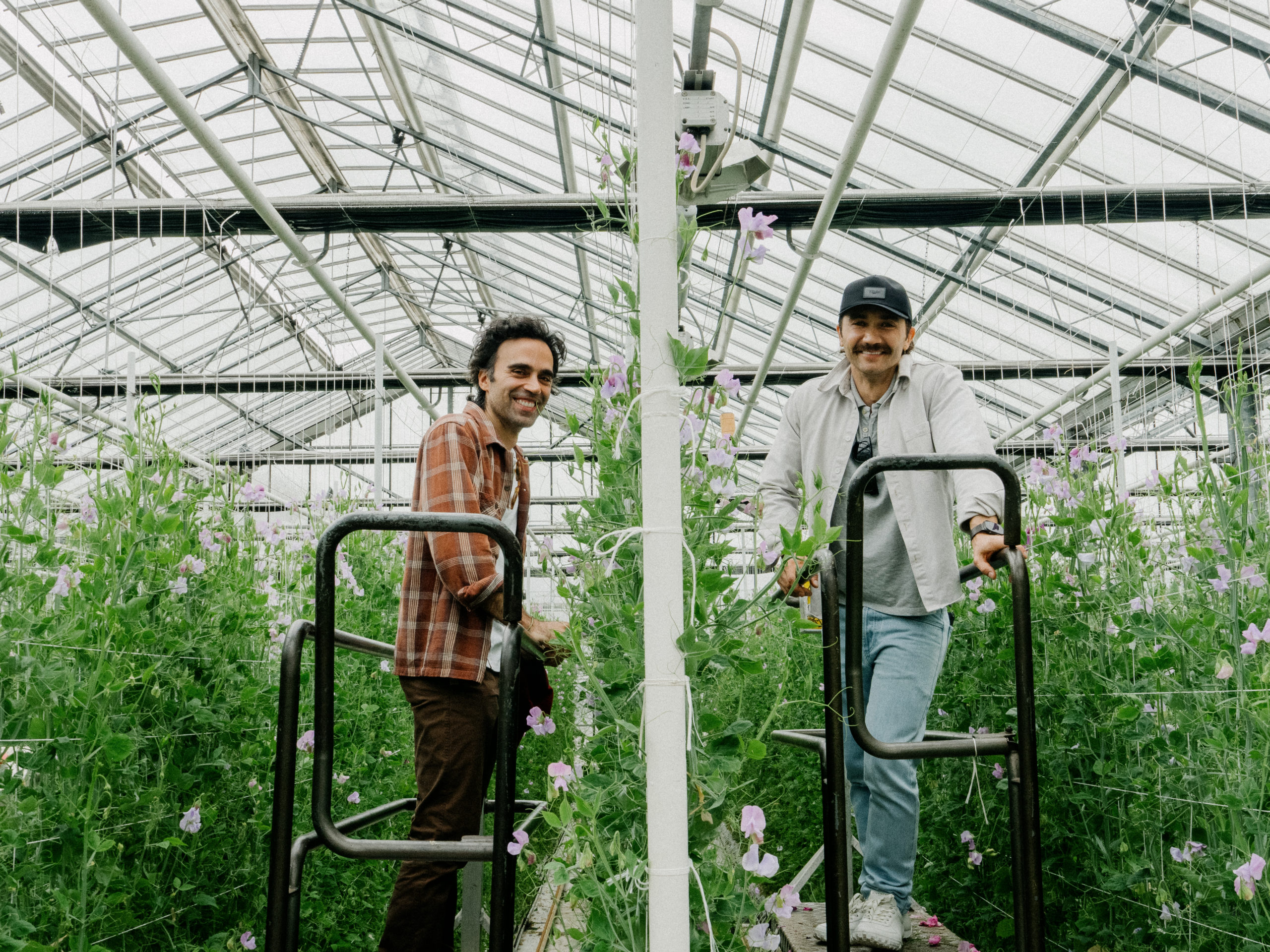
A first-hand trip report from Blooming Haus founders Michal and Michael.
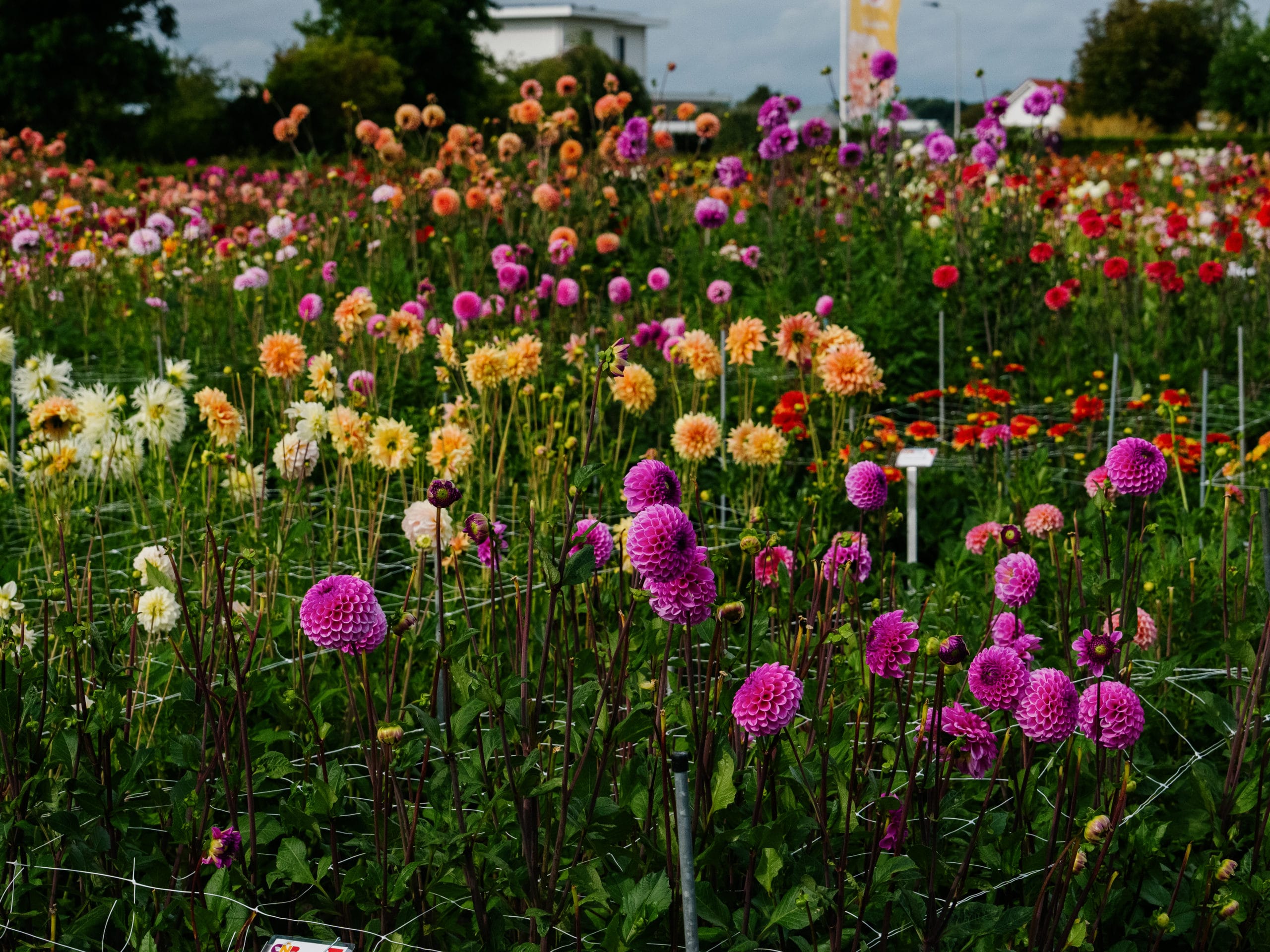
Earlier this year we spoke at The 1st Workshop on Research on Humans’ Response to Flowers, and stayed for a presentation that’s followed us around ever since. Martin Hůla, of Charles University and the University of California, was speaking on the evolutionary aspects of how humans find flowers beautiful, and colour sat at the heart of it. Colour is the first decision we make on almost every commission, so one line in his data stopped us cold: blue was rated the single most visually appealing colour a flower can be. Yellow came last.
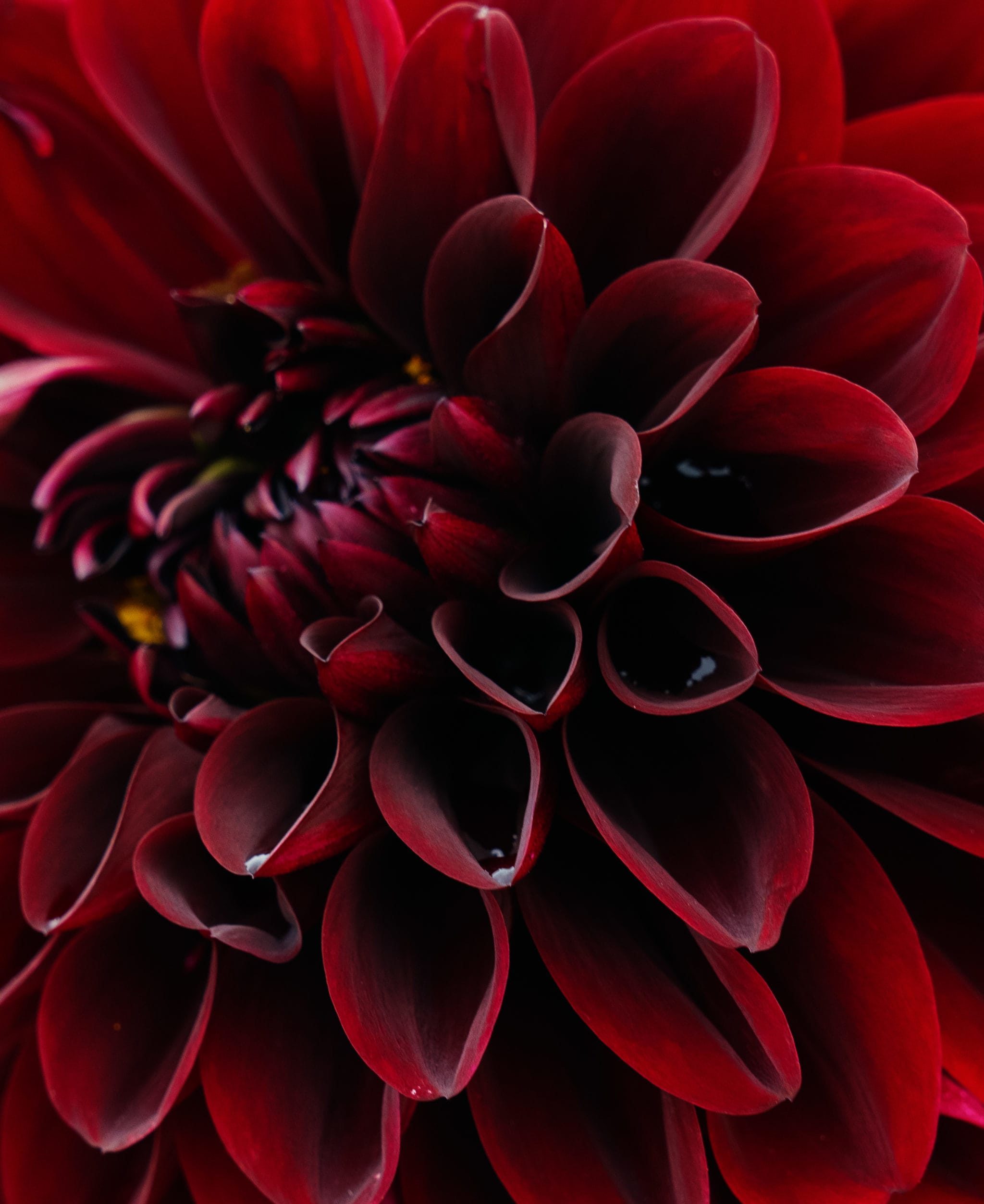
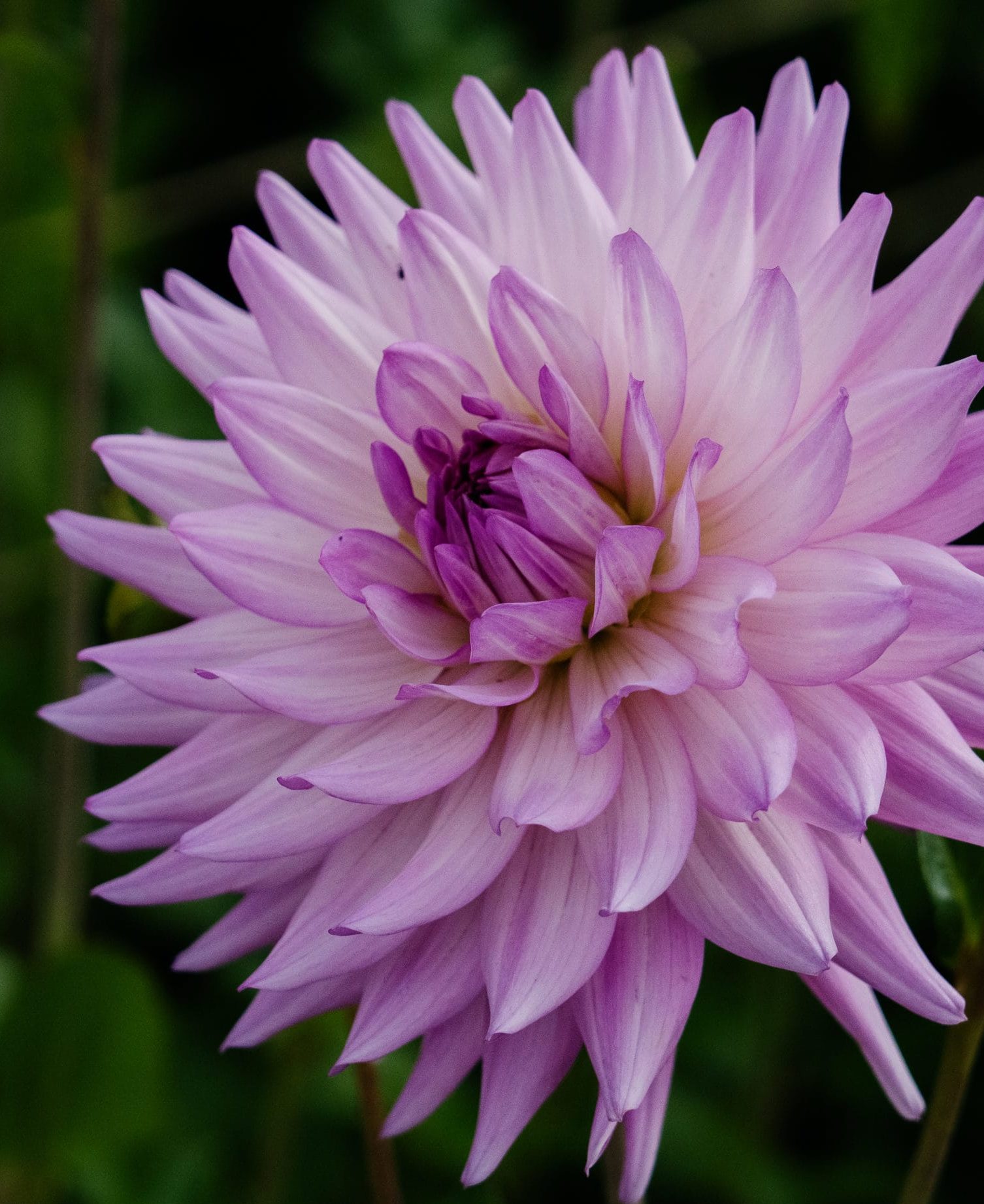
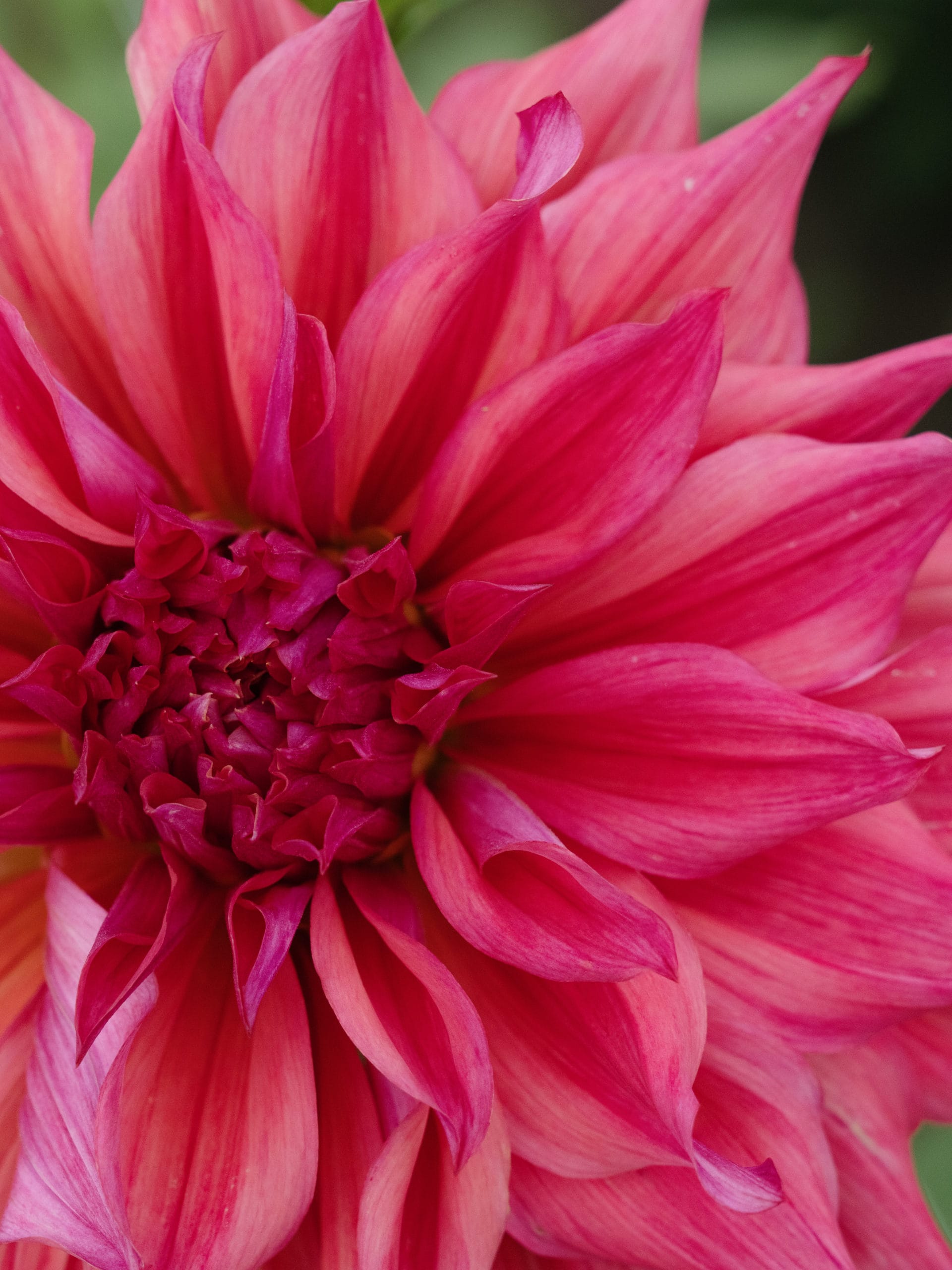
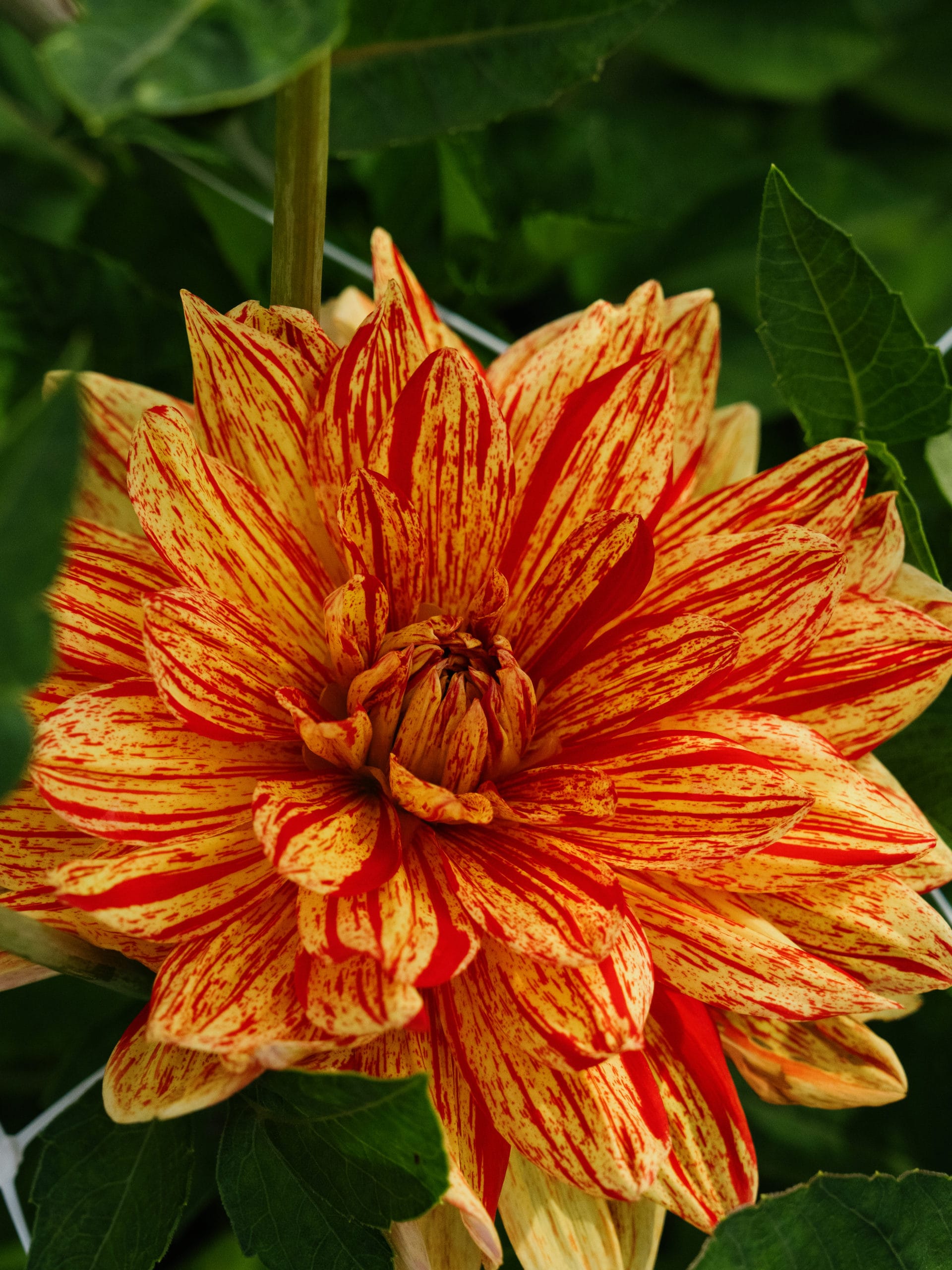
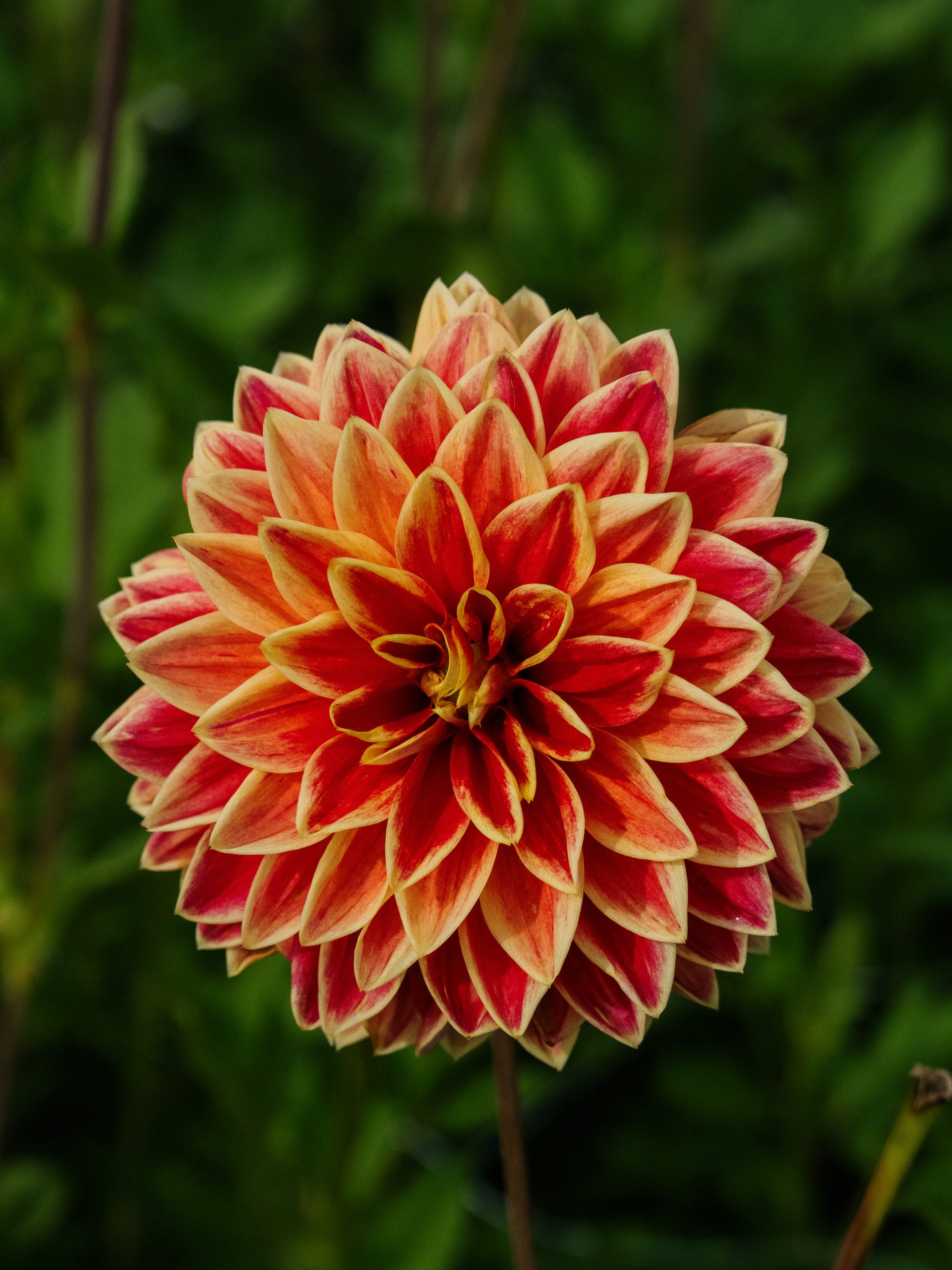
The dahlia comes in almost every colour a flower can be: crimson, coral, lilac, plum, ivory, wine-dark reds, and blends of them, sometimes on a single petal. Every colour, that is, except blue dahlias. The genus simply lacks the pigment for it, and two centuries of breeders trying to force the issue have never once succeeded.
Which left us with an odd question to carry into a field in the Netherlands a few weeks later: how does a flower that can be almost any colour, except the one we’re apparently hardwired to love most, become one of the most obsessed-over, collected flowers on earth?
One field, two seasons
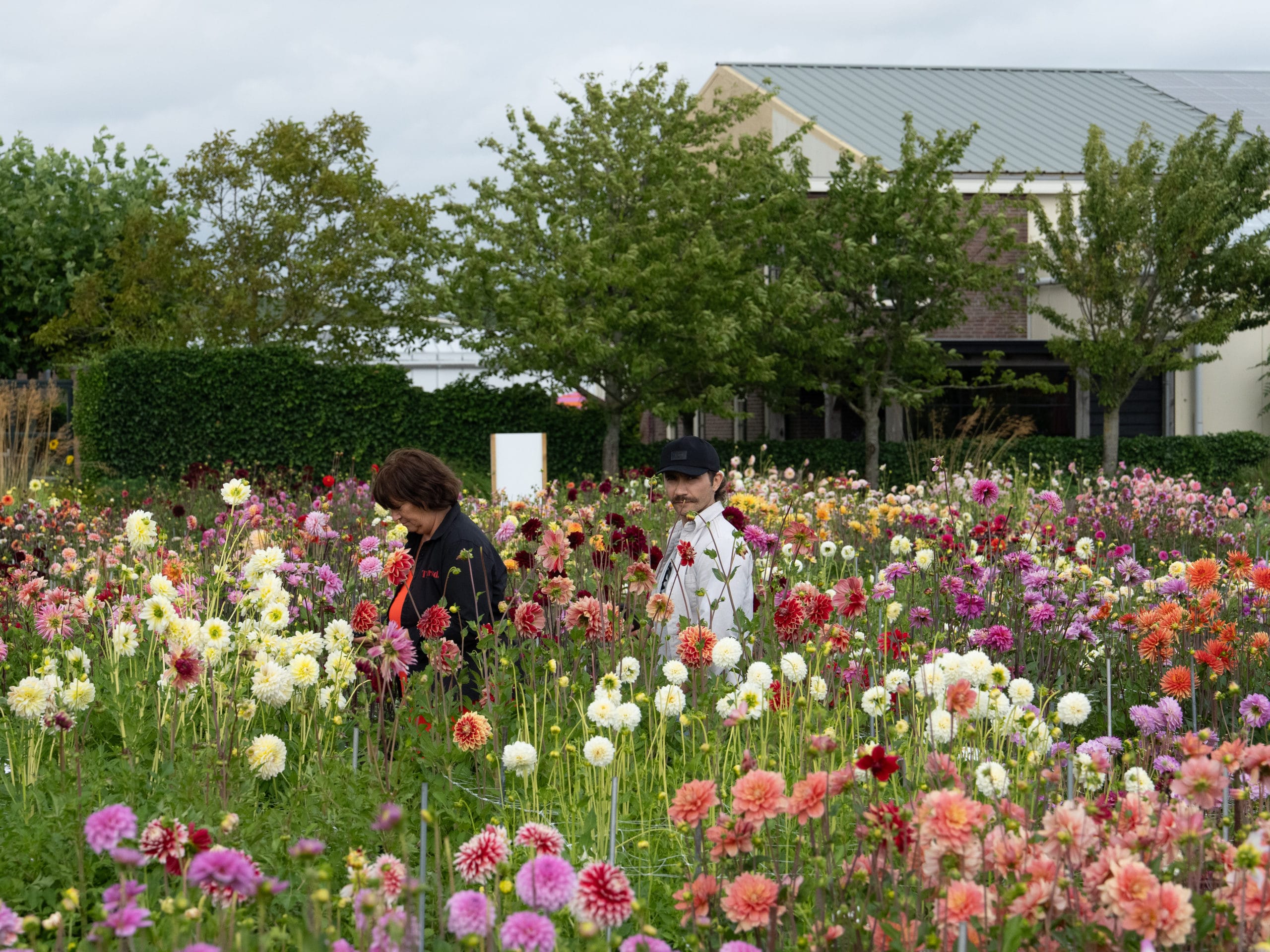
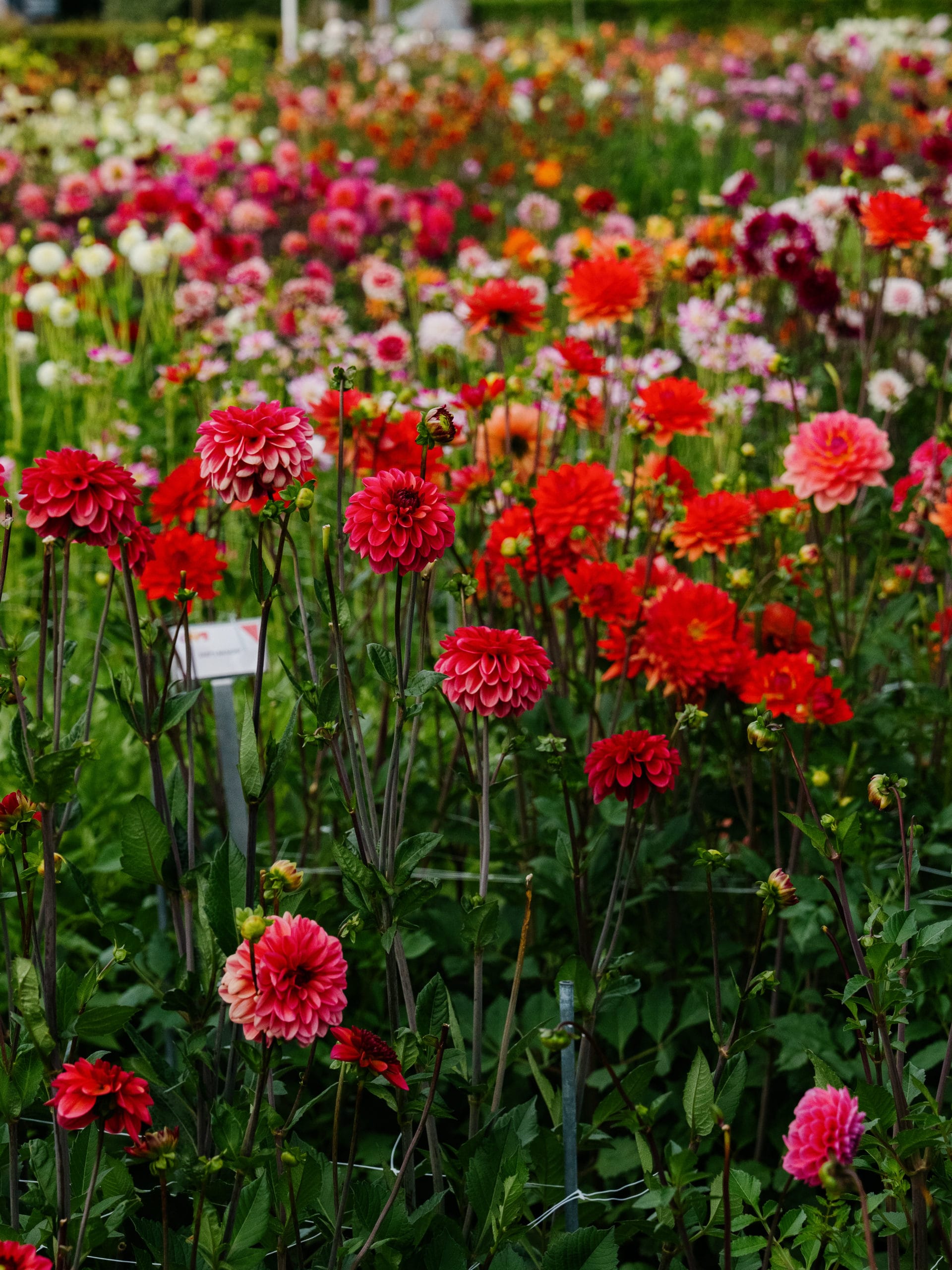
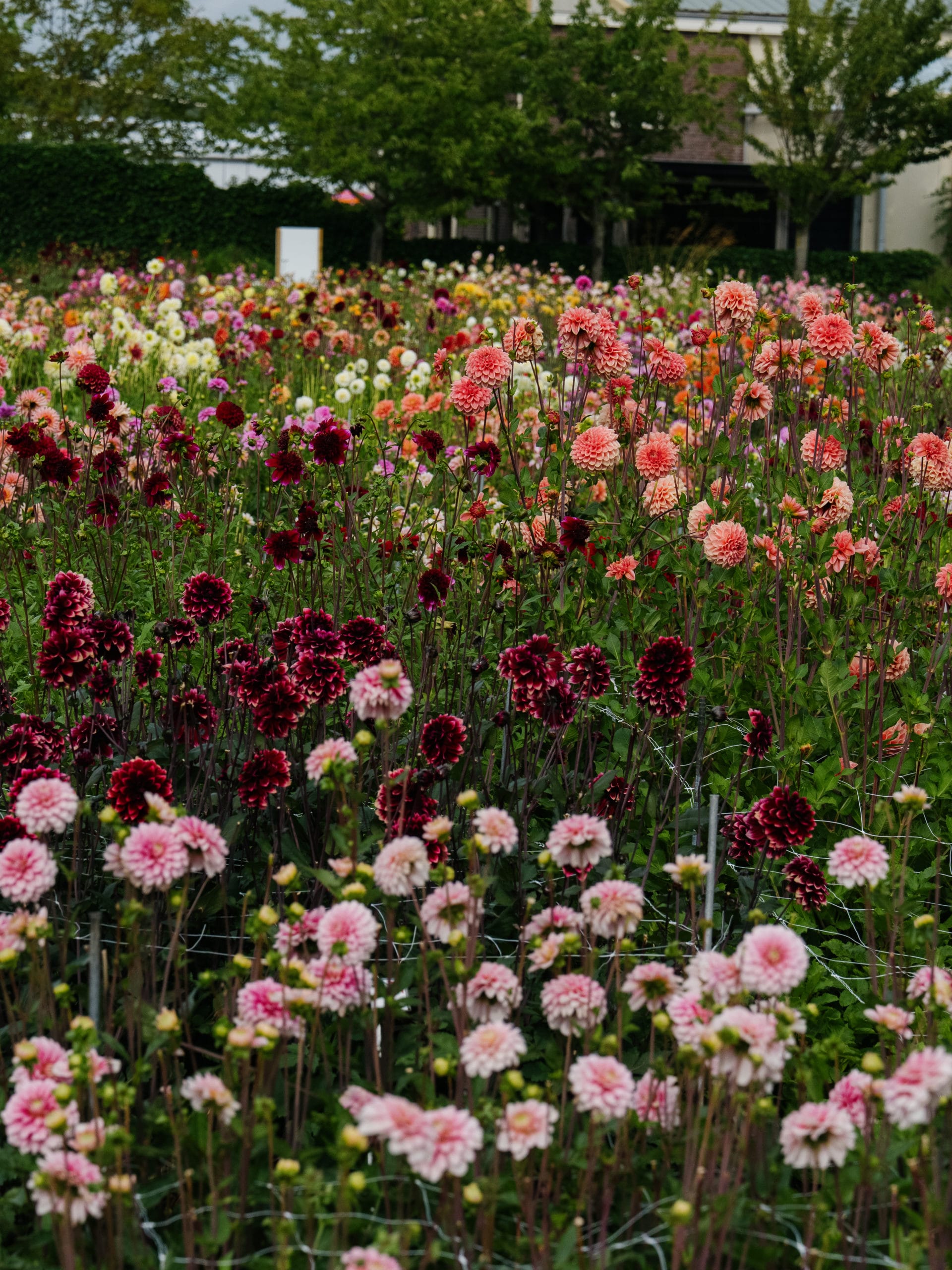
We went looking for an answer at De Tulperij, a Dutch grower that spends March to May on tulips and hands the very same fields to dahlias from August to October. The ground that carries one of the Netherlands’ most famous spring flowers carries one of its most varied autumn ones.
Dahlias, unusually, grow from a cluster of tuberous roots, closer to a sweet potato than a tulip. They came to Europe from Mexico, where the Aztecs called them acocoxochitl, or “water-pipe flower,” for their hollow stems. The name we use arrived in 1791, when the Spanish botanist Antonio José Cavanilles named the genus for Anders Dahl, a Swedish pupil of Linnaeus whose surname means “valley”; German botanists held out with Georgina for a while before dahlia won.
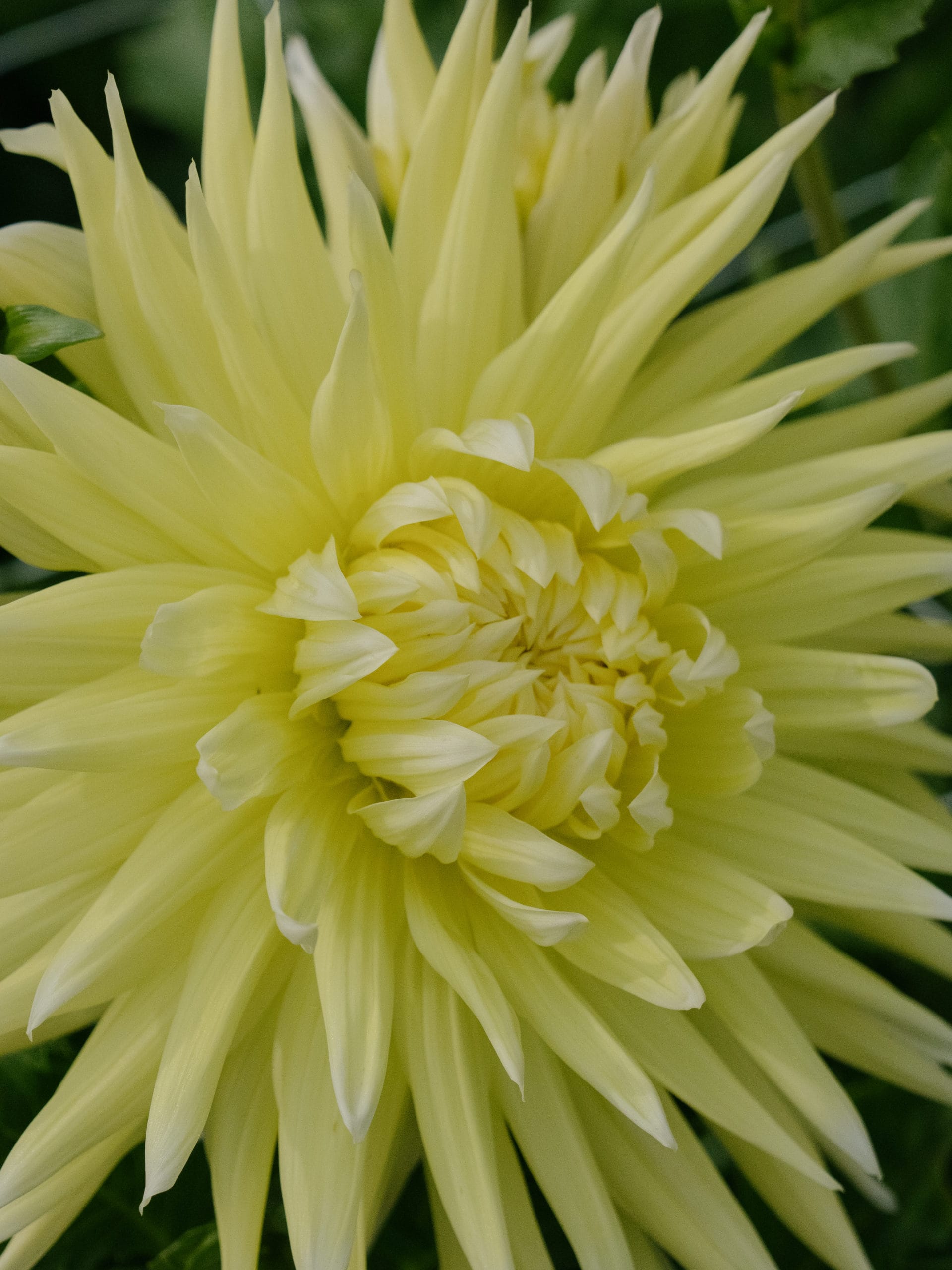
De Tulperij’s show garden holds more than 600 varieties of them. Standing in it, missing colour or not, the effect was overwhelming: near-black purples, blazing oranges, pastel peaches, neon yellows, all competing for the eye at once.
Built for range
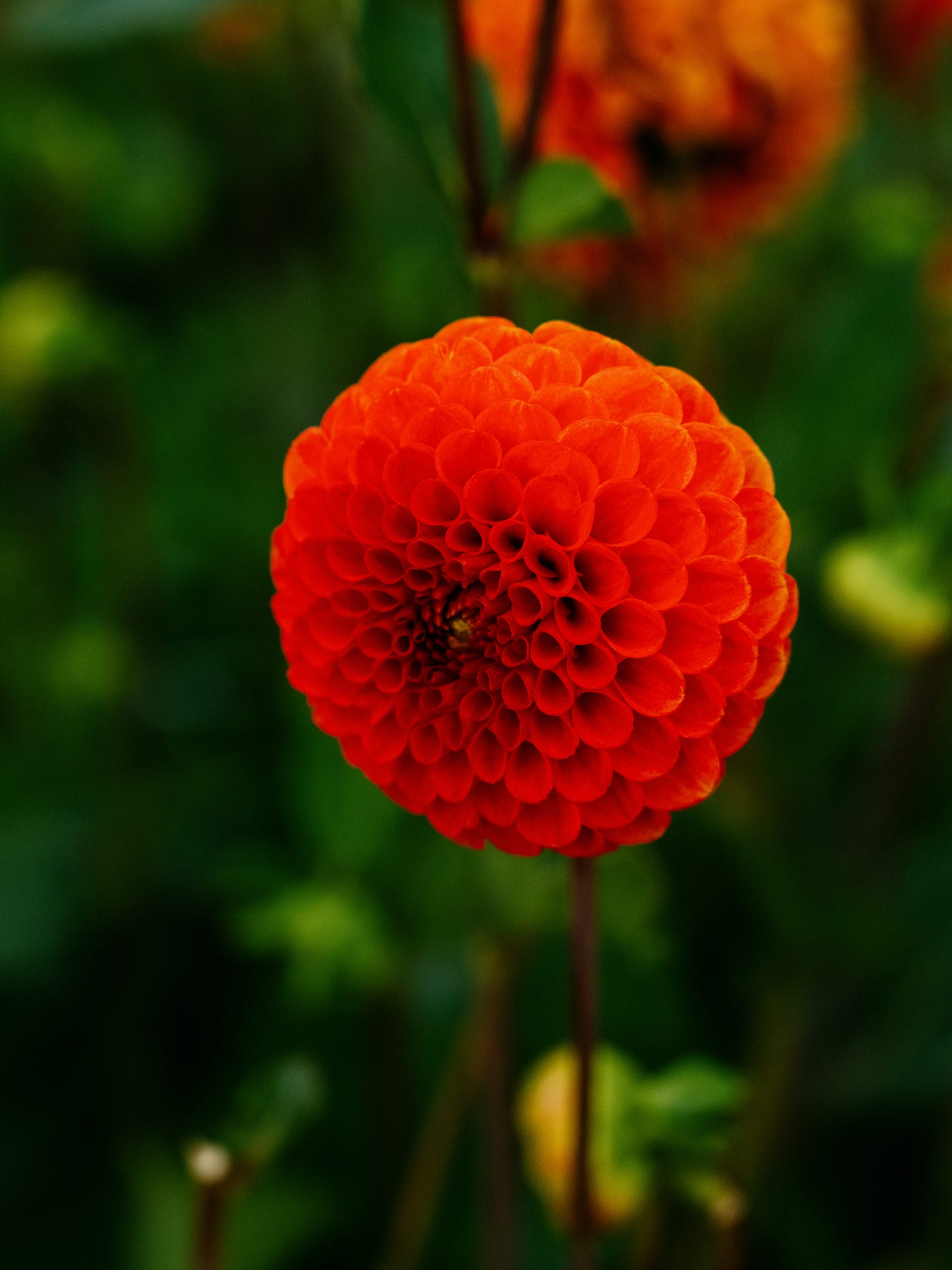
The genetics explain the range. Dahlias are octoploid, with eight sets of chromosomes to our two, which lets them hybridise and mutate almost recklessly. That volatility has produced over 57,000 registered cultivars, in forms no other garden flower comes close to matching. Pompons as tight as a fist. Cactus dahlias with petals rolled to a point. Waterlily varieties, open and flat. Anemone forms with a cushion at the centre. And at the far end, giant “dinner-plate” blooms 25 to 30cm across.
The answer is in the shape
That range may also be the answer to our question. Hůla’s research found that colour alone isn’t what decides a flower’s beauty: shape, symmetry and pattern carry at least as much weight. And the dahlia’s most celebrated shapes were not always meant for bees. Pompons and cactus dahlias are doubles, packed so densely with petals that pollinators struggle to reach the centre; the RHS steers gardeners who want to feed bees towards the open single and semi-double kinds instead.
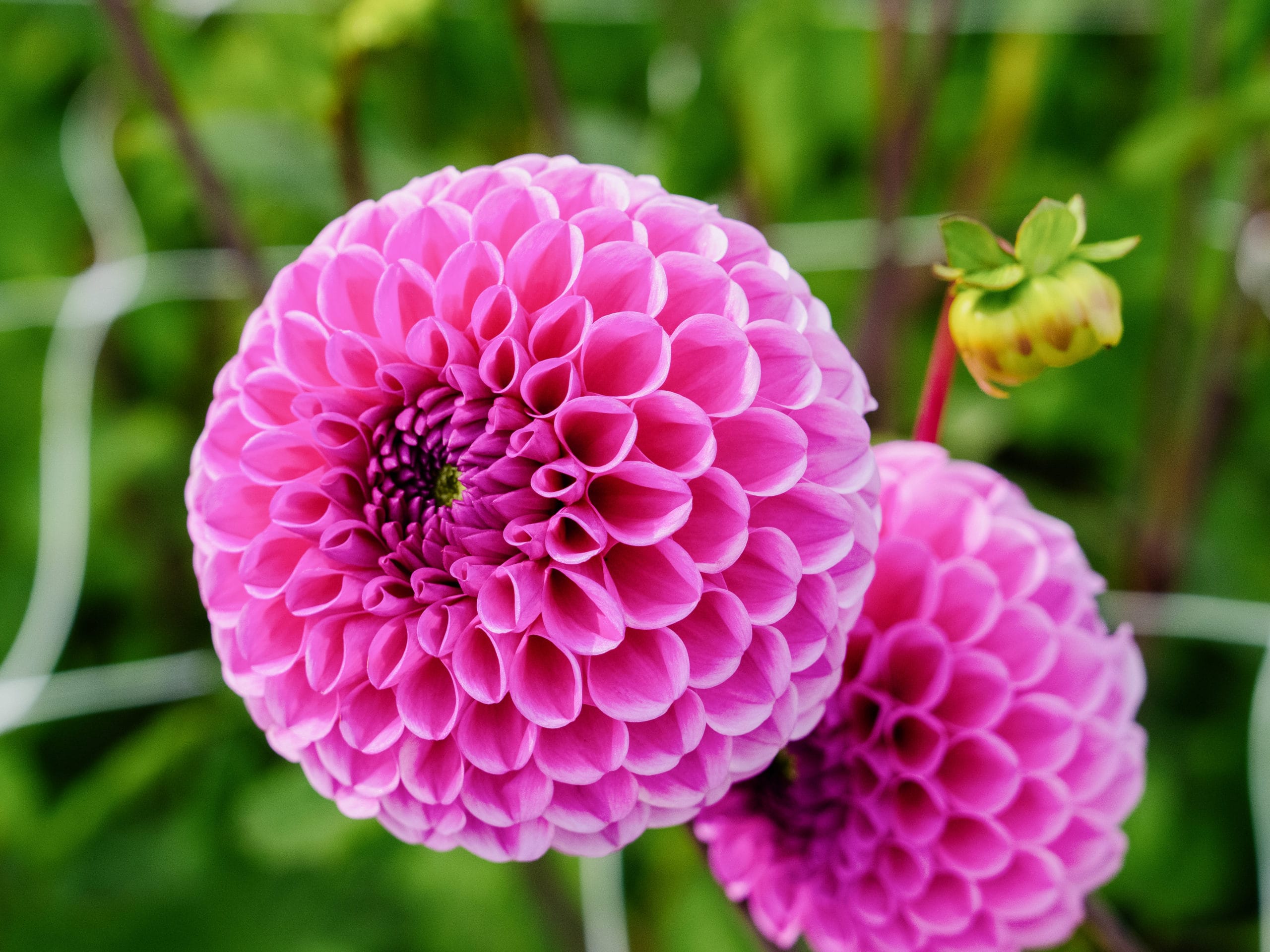 The doubles were made by breeders, selection by selection, for the human eye: sharp, radial, endlessly varied geometry that a single colour, however perfect, could never match on its own. It explains the collectors, too. With thousands of form x colour combinations to choose from, nobody runs out of dahlias to want. So perhaps that’s the honest answer: the dahlia might not be winning on the colour we’re hardwired to prefer. It’s winning on every other one.
Why it matters to us
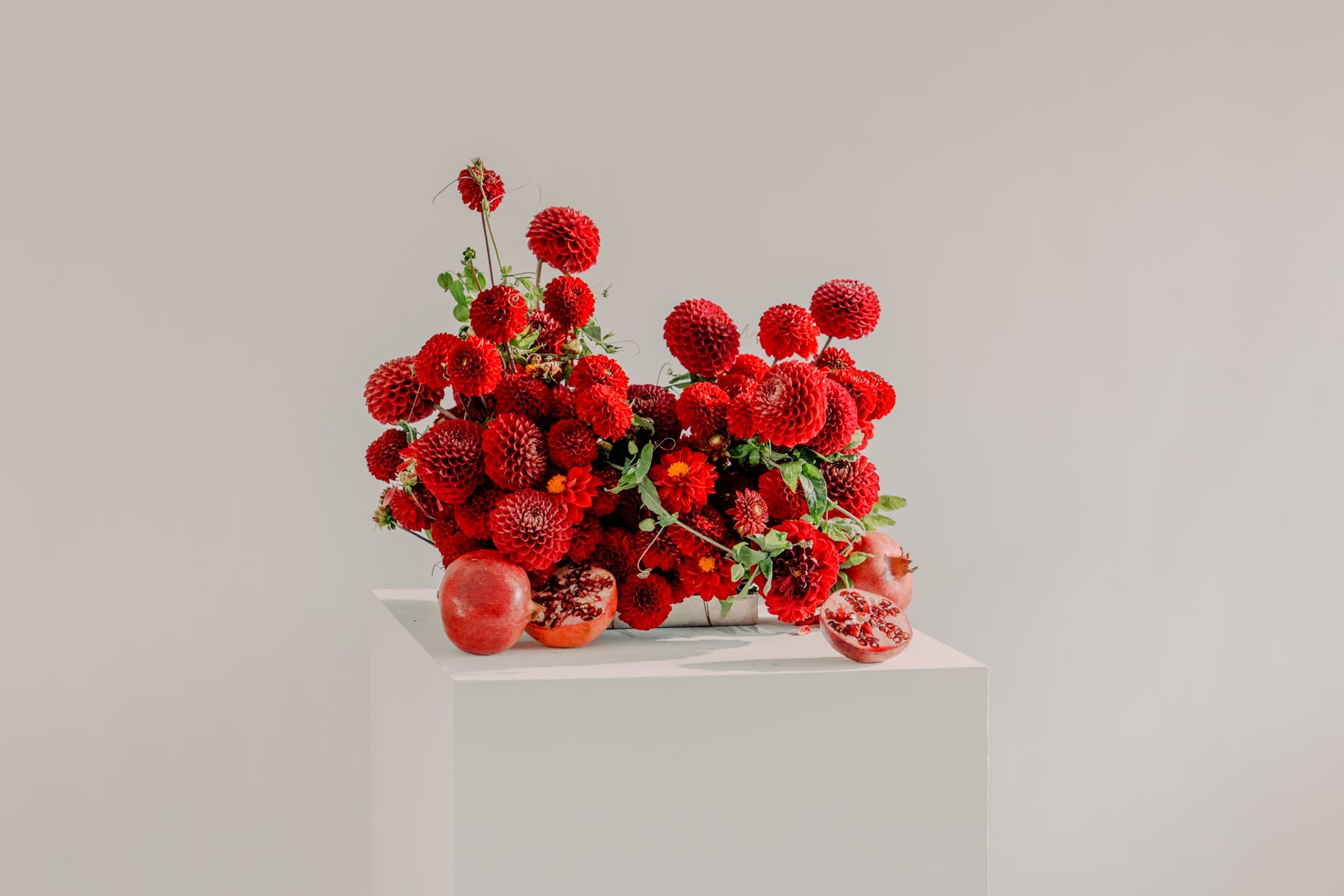
It’s also how we work with them. In our compositions we keep colour tight, one hero colour held by a tonal anchor, and let form carry the rest. Few flowers carry it like a dahlia: a single cactus bloom can set the rhythm of an arrangement, and a cluster of pompons can hold a corner of a room. We reach for them for their shape first and their shade second. Every colour but blue, it turns out, is plenty.
Chapter two of six in our grower Origins Series.
Photography: Blooming Haus. Our grower visits in the Netherlands were hosted by Thursd.
You may also like: