





Did You Know You Can Use Plants as Natural Pest Control in Your Garden? Here’s how.
This type of sustainable and natural pest control is something we’re passionate about sharing at Blooming Haus. We protect the planet as much as we can as a luxury florist that is both mindful of people and planet.
Here’s how plants can protect your garden against pests — naturally.
Here’s how plants can protect your garden against pests — naturally.
How to Use Plants as Natural Pest Control
1. Why Use Plants for Natural Pest Control Instead of Harsh Chemicals?
2. How Plant Combinations Deter Pests
3. Try These Plants for Pest Control in Your Garden
4. Other Sustainable Benefits of Garden Plants
5. More Resources You May Find Useful
2. How Plant Combinations Deter Pests
3. Try These Plants for Pest Control in Your Garden
4. Other Sustainable Benefits of Garden Plants
5. More Resources You May Find Useful
1. Why Should You Use Plants for Pest Control?
Chemical pest control can rid your garden of pests like aphids, but it can also do damage to your health, your environment, and the living creatures around you.
Using pesticides regularly can impact human wellness. It can also damage plants and cause problems for animals including the pollinators that we all rely on.
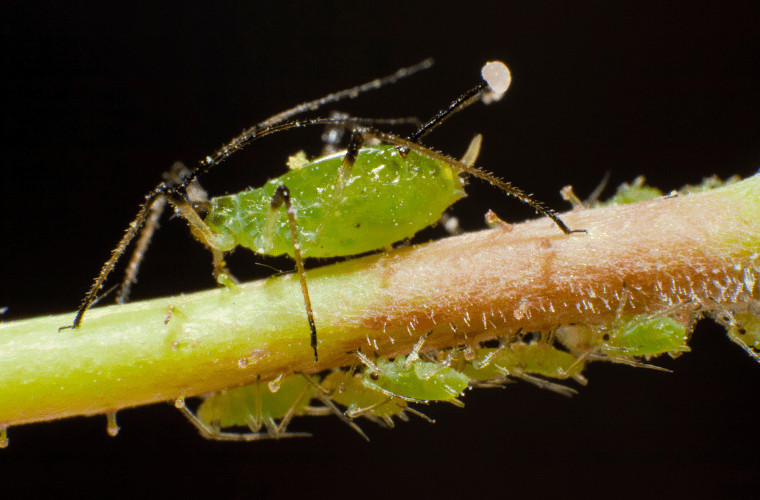
Eating produce covered in pesticides is not good for your health, and often these harsh chemicals run off into different areas of our ecosystem.
Adopting natural pest control measures such as using plants that deter pests brings many benefits:
– Increasing biodiversity
– Reducing pollution in groundwater
– Providing protection for pollinators
– Producing healthier fruit and vegetables to eat.
Adopting natural pest control measures such as using plants that deter pests brings many benefits:
– Increasing biodiversity
– Reducing pollution in groundwater
– Providing protection for pollinators
– Producing healthier fruit and vegetables to eat.
2. How Do Plant Combinations Deter Pests?
One of the easiest ways to deal with pest problems in your garden is to use plant combinations.
For example, grow some marigolds amongst your tomato plants and their strong scent deters greenfly and blackfly.
For example, grow some marigolds amongst your tomato plants and their strong scent deters greenfly and blackfly.
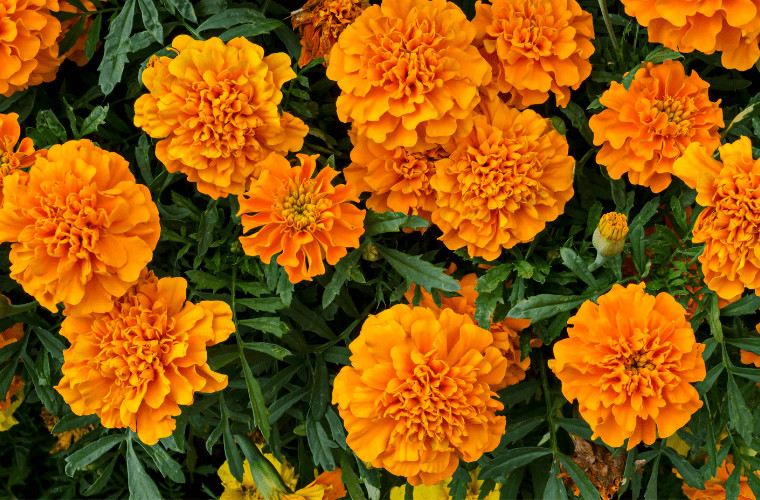
There are several other plant combinations that work well for controlling pests.
Growing sage with carrots wards off pests thanks to its strong scent.
You can stop caterpillars from attacking your cabbages by growing nasturtiums as a diversion.
Planting garlic amongst your rose bushes deters aphids.
Growing leeks and carrots together provides protection to both as leeks repel carrot flies and carrots deter onion flies and leek moths.
These are just a few of the plants that can protect your garden against pests.
Growing sage with carrots wards off pests thanks to its strong scent.
You can stop caterpillars from attacking your cabbages by growing nasturtiums as a diversion.
Planting garlic amongst your rose bushes deters aphids.
Growing leeks and carrots together provides protection to both as leeks repel carrot flies and carrots deter onion flies and leek moths.
These are just a few of the plants that can protect your garden against pests.
3. Try These Plants for Pest Control in Your Garden
As floral design professionals, we love the colours, aromas and shapes of flowers and plants. These features bring vitality and joy to your garden — and some plants also protect your garden from unwanted pest invasions.
Basil
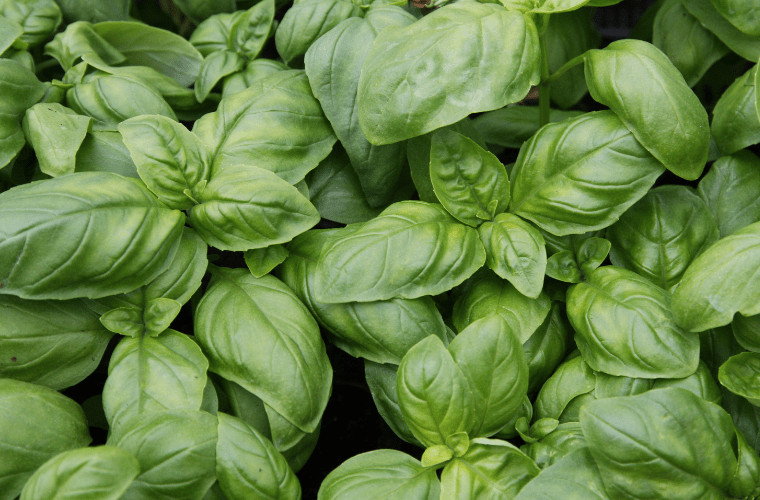
The scent of basil repels several pests including asparagus beetle, carrot fly, and whitefly.
It should initially be grown indoors until frosts subside and then planted in well-drained soil in a sheltered area of your garden.
Basil is also a perfect container and greenhouse plant.
It should initially be grown indoors until frosts subside and then planted in well-drained soil in a sheltered area of your garden.
Basil is also a perfect container and greenhouse plant.
Nepeta (Catmint)
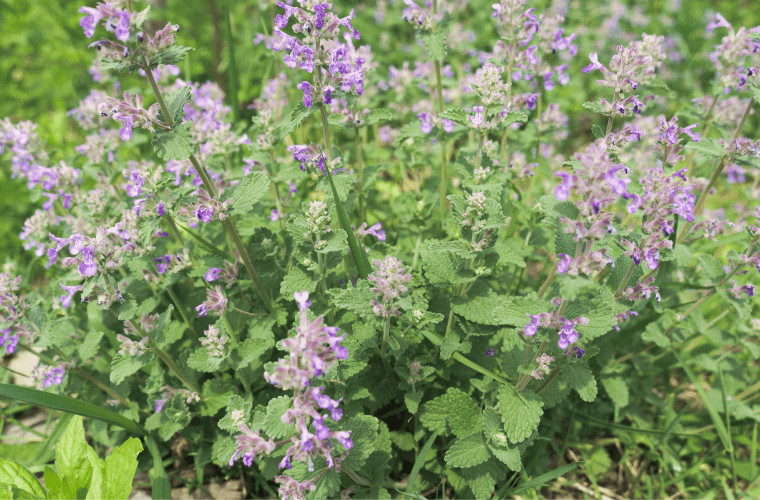
Catmint is a pretty plant that’s brilliant at repelling aphids.
It grows in any soil that can easily drain.
The best part of the garden to plant catmint is somewhere that has full sun on it for long periods.
One word of caution: catmint can take over your garden if you let it because it spreads quickly. Start with a small amount and keep a close watch on it.
It grows in any soil that can easily drain.
The best part of the garden to plant catmint is somewhere that has full sun on it for long periods.
One word of caution: catmint can take over your garden if you let it because it spreads quickly. Start with a small amount and keep a close watch on it.
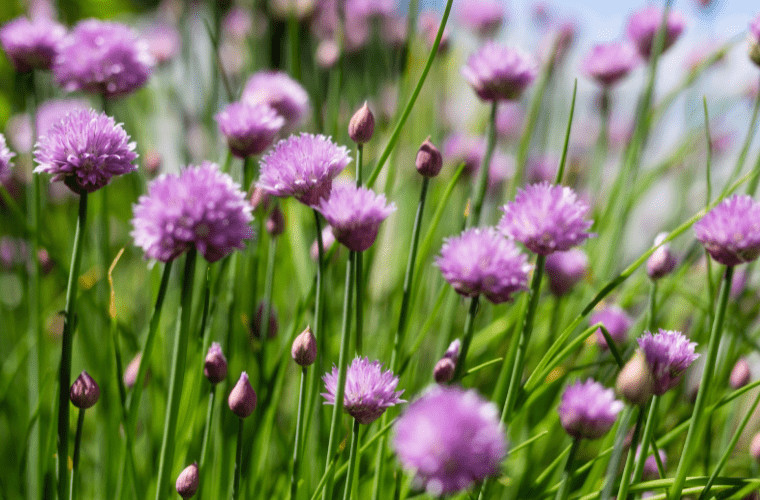
Chives
The onion scent of chives deters aphids from attacking neighbouring plants like chrysanthemums and tomatoes.
These plants are also an attractive addition to your garden with their purple flowers that are edible.
And bees love chives, so you’re supporting vital pollinators when you plant them.
When you’re planting chives, choose a place with well-drained soil in the sun or partial shade.
It’s also important that you keep the plants well-watered, especially during hot weather.
These plants are also an attractive addition to your garden with their purple flowers that are edible.
And bees love chives, so you’re supporting vital pollinators when you plant them.
When you’re planting chives, choose a place with well-drained soil in the sun or partial shade.
It’s also important that you keep the plants well-watered, especially during hot weather.
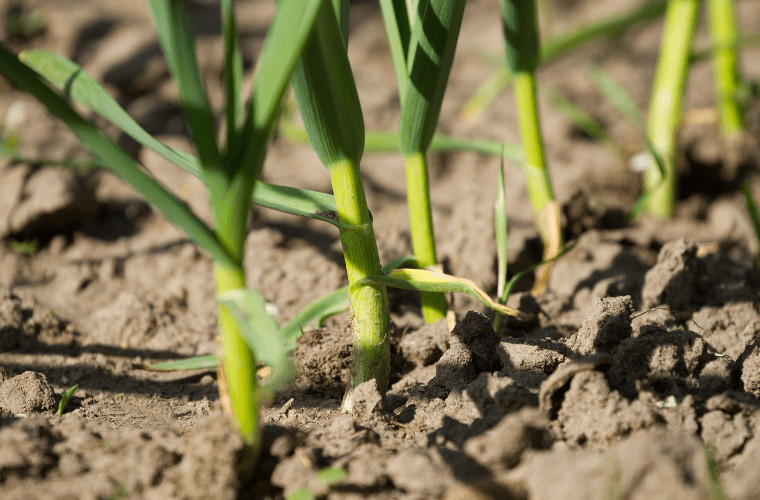
Garlic
Garlic is excellent at repelling aphids, cabbage moths, and bigger pests like rabbits.
Garlic cloves are normally sown in autumn and growing the plants is usually trouble-free.
Choose a part of your garden where the soil drains easily and there is a lot of sunlight.
Once the plants start to grow, cut off the flower stems as they form and make sure the area around the plants is well weeded.
Garlic cloves are normally sown in autumn and growing the plants is usually trouble-free.
Choose a part of your garden where the soil drains easily and there is a lot of sunlight.
Once the plants start to grow, cut off the flower stems as they form and make sure the area around the plants is well weeded.
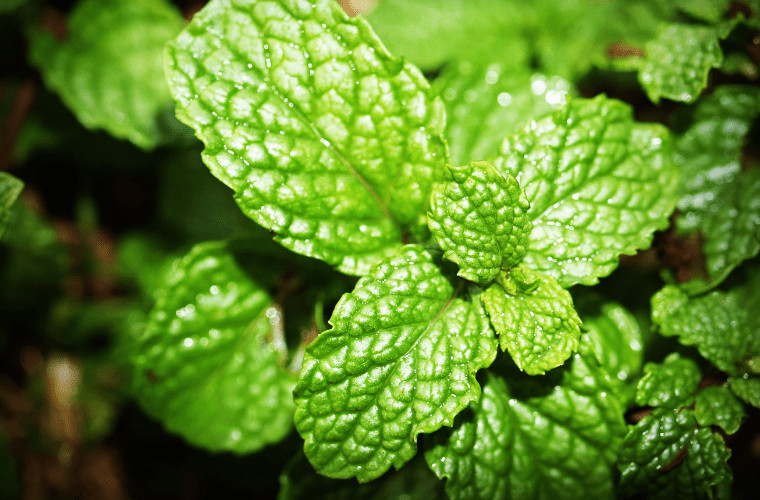
Mint
The distinctive scent of mint repels aphids, cabbage moths, whitefly, and ants.
Mint grows aggressively so you may want to plant it in pots that can then be placed around your garden to protect other plants.
This is especially useful if you have a vegetable patch where you don’t want your produce to be destroyed by pests before you get a chance to eat it.
A couple of extra tips about growing mint: always keep the plants well-watered and don’t grow different varieties together.
Mint grows aggressively so you may want to plant it in pots that can then be placed around your garden to protect other plants.
This is especially useful if you have a vegetable patch where you don’t want your produce to be destroyed by pests before you get a chance to eat it.
A couple of extra tips about growing mint: always keep the plants well-watered and don’t grow different varieties together.
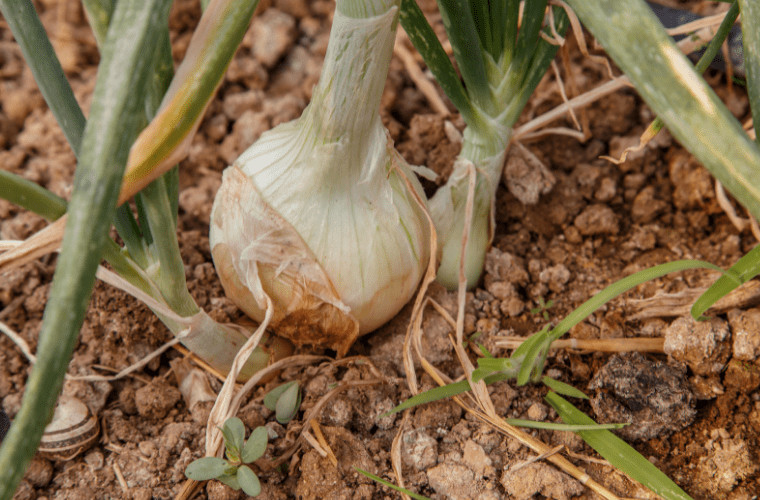
Onions
Onions are an excellent choice for planting in your garden if you want to repel aphids, carrot flies and larger pests like rabbits.
They’re also a tasty addition to your meals after harvesting.
Onions are easy to grow from bulbs and are usually planted in spring for harvesting during the summer and into the autumn.
They’re also a tasty addition to your meals after harvesting.
Onions are easy to grow from bulbs and are usually planted in spring for harvesting during the summer and into the autumn.
Coriander
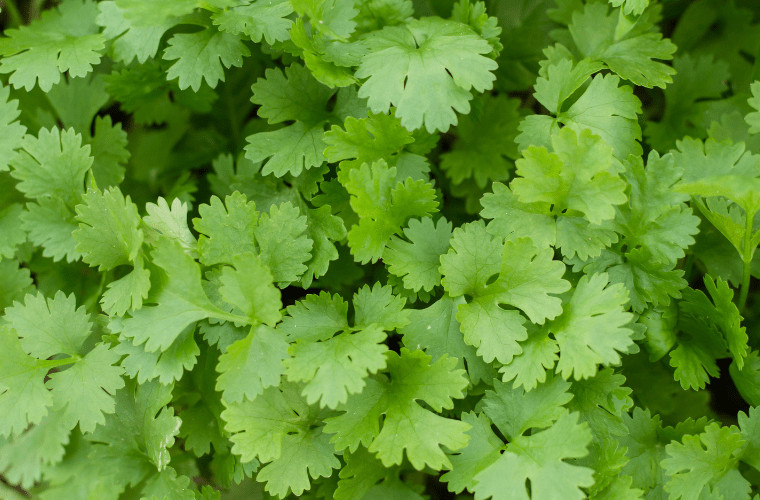
Coriander is grown for its tangy leaves and aromatic seeds.
It’s a relative of parsley that’s often used when creating flavoursome curries and soups.
Coriander also has pest control properties — it helps to repel aphids from your garden and protects other plants as a result.
It’s a relative of parsley that’s often used when creating flavoursome curries and soups.
Coriander also has pest control properties — it helps to repel aphids from your garden and protects other plants as a result.
Tansy
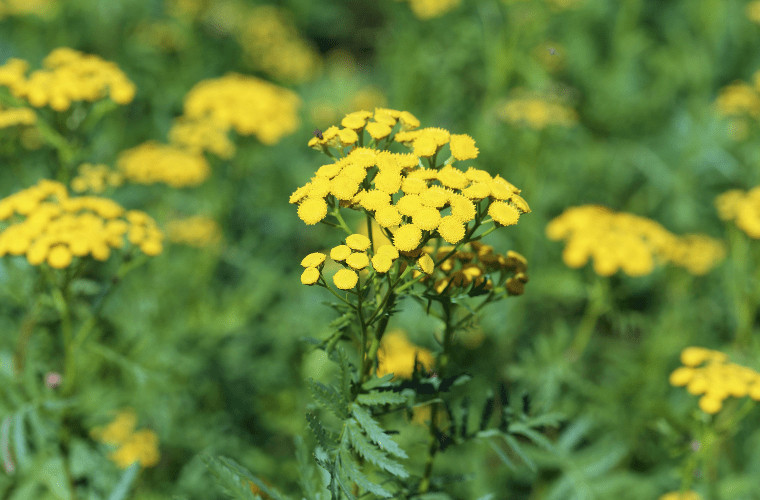
Tansy is a plant that produces bright yellow blooms.
It also has a strong scent that deters ants.
This plant is hardy, frost resistant and easy to grow.
When you’re planting tansy in your garden choose a place where the soil is well-drained and there is plenty of sunlight.
The natural pest control properties of plants extend beyond pest management — they also support sustainability in other ways.
It also has a strong scent that deters ants.
This plant is hardy, frost resistant and easy to grow.
When you’re planting tansy in your garden choose a place where the soil is well-drained and there is plenty of sunlight.
The natural pest control properties of plants extend beyond pest management — they also support sustainability in other ways.
4. Other Sustainable Benefits of Garden Plants
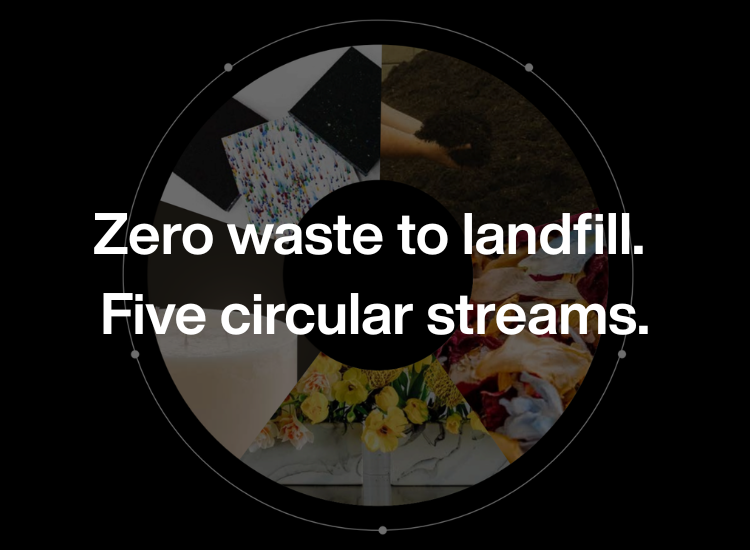
At Blooming Haus, sustainability is at the centre of everything we do.

Picture credit: Blooming Haus Shop
It’s our duty to give back what we take.
This is why we launched our ‘Plant a Tree’ campaign.
Every time we complete a project, we dedicate a tree to be planted in collaboration with the National Forest, Woodland Trust and Carbon Footprint Organisation.
So far, we’ve planted almost 100 trees in the London area and across the UK.
Our other sustainability measures include:
Using green energy to power our studio.
Partnering with bicycle-based delivery company EcoFleet to complete smaller deliveries including purchases from our online store.
Composting all our organic waste.
Avoiding using materials that cannot be composted.
Reusing flower buckets and delivery packaging.
Recycling boxes and packaging.
Sourcing as many flowers as possible from local suppliers, thereby reducing the environmental impact of transportation.
Using suppliers that work with organisations like the Soil Association and the Rainforest Alliance to quality check supplies.
Using probiotic cleaning products whenever possible.
Given our green-centric ethos, we’re interested in all the ways plants can impact sustainability. The focus of this article is using plants as natural pest control — but that’s just the start of the benefits that garden plants can bring.
This is why we launched our ‘Plant a Tree’ campaign.
Every time we complete a project, we dedicate a tree to be planted in collaboration with the National Forest, Woodland Trust and Carbon Footprint Organisation.
So far, we’ve planted almost 100 trees in the London area and across the UK.
Our other sustainability measures include:
Using green energy to power our studio.
Partnering with bicycle-based delivery company EcoFleet to complete smaller deliveries including purchases from our online store.
Composting all our organic waste.
Avoiding using materials that cannot be composted.
Reusing flower buckets and delivery packaging.
Recycling boxes and packaging.
Sourcing as many flowers as possible from local suppliers, thereby reducing the environmental impact of transportation.
Using suppliers that work with organisations like the Soil Association and the Rainforest Alliance to quality check supplies.
Using probiotic cleaning products whenever possible.
Given our green-centric ethos, we’re interested in all the ways plants can impact sustainability. The focus of this article is using plants as natural pest control — but that’s just the start of the benefits that garden plants can bring.
Gardening Cleans the Air & Soil
Plants take in carbon dioxide from the atmosphere around them.
They then produce oxygen as a byproduct of the photosynthesis process. This is a valuable attribute given the problems that carbon dioxide causes to the environment and the immense carbon footprint the planet has.
Through their respiratory and photosynthetic processes plants also absorb chemicals and bacteria from the air.
This helps to clean the atmosphere in which we live.
Our post on plants and air quality explores this further: “NASA Study Reveals Best Air-Cleaning Plants For Your Home“
They then produce oxygen as a byproduct of the photosynthesis process. This is a valuable attribute given the problems that carbon dioxide causes to the environment and the immense carbon footprint the planet has.
Through their respiratory and photosynthetic processes plants also absorb chemicals and bacteria from the air.
This helps to clean the atmosphere in which we live.
Our post on plants and air quality explores this further: “NASA Study Reveals Best Air-Cleaning Plants For Your Home“

Gardening Replenishes & Protects the Soil
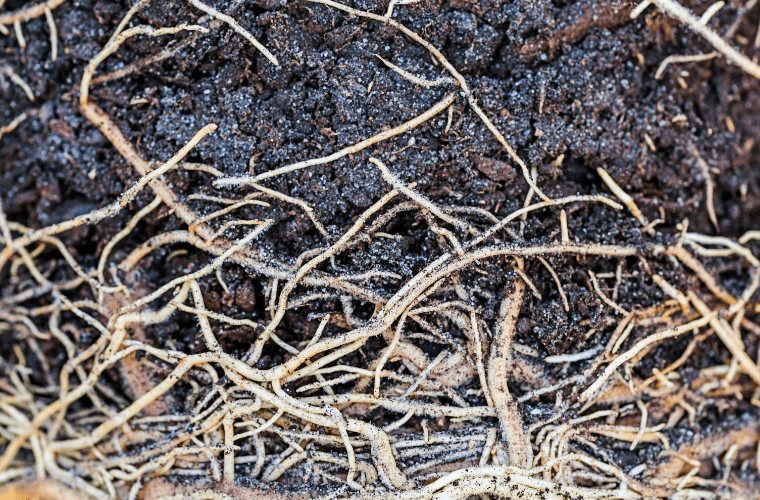
The roots of garden plants provide more protection to the environment than you might think.
They bind the soil together so it’s less likely that it will wash away in heavy rains.
So, having several root systems in place in your garden reduces the movement of topsoil.
They bind the soil together so it’s less likely that it will wash away in heavy rains.
So, having several root systems in place in your garden reduces the movement of topsoil.
Annual Plants Provide Nutrients For The Following Year
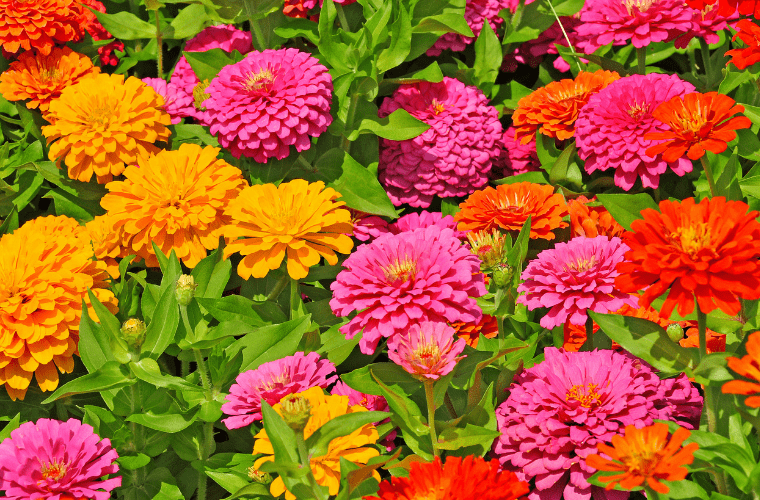
When you grow annual plants in your garden, you know they’re only going to live for one growing season.
But, they can be valuable even after they die.
They decompose and add nutrients to the soil preparing it for more planting.
This is a greener process than using chemicals to promote future plant growth.
But, they can be valuable even after they die.
They decompose and add nutrients to the soil preparing it for more planting.
This is a greener process than using chemicals to promote future plant growth.
Gardening Protects Pollinators
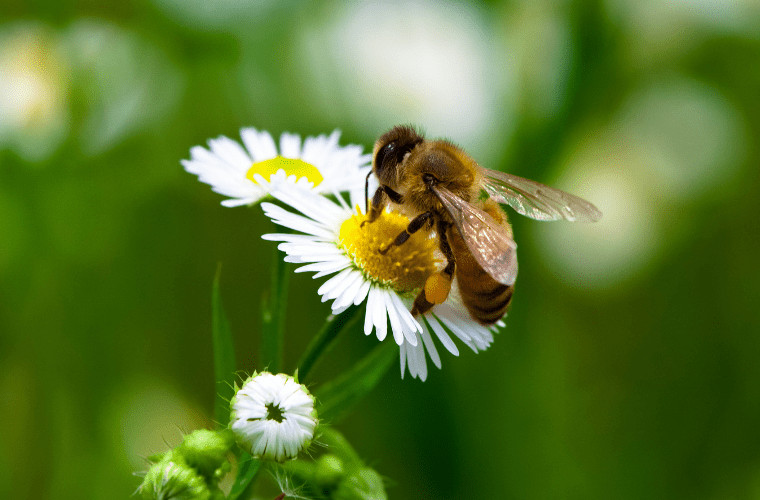
Pollinators like bees may only be tiny but they’re hugely important.
They allow plants to fruit, seed, and breed.
So, the performance of our ecosystem is directly dependent on the survival of our diminutive pollinator friends.
Plants protect the health of pollinators and aid their survival.
If you want to make your garden pollinator-friendly, here are some tips:
Bees see purple more clearly than any other colour making plants like lavender, alliums, and buddleja a good choice.
Tubular shaped blooms like foxgloves, honeysuckle, and snapdragons are good for long-tongued bees.
Most pollinators are active from March to September but some can be active for most of the year so maintaining a pollinator-friendly landscape for each season is important.
And, of course, using natural pest control helps to protect pollinators like bees and butterflies.
Using the right plants protects your garden from pests without the need for damaging chemical pesticides.
They allow plants to fruit, seed, and breed.
So, the performance of our ecosystem is directly dependent on the survival of our diminutive pollinator friends.
Plants protect the health of pollinators and aid their survival.
If you want to make your garden pollinator-friendly, here are some tips:
Bees see purple more clearly than any other colour making plants like lavender, alliums, and buddleja a good choice.
Tubular shaped blooms like foxgloves, honeysuckle, and snapdragons are good for long-tongued bees.
Most pollinators are active from March to September but some can be active for most of the year so maintaining a pollinator-friendly landscape for each season is important.
And, of course, using natural pest control helps to protect pollinators like bees and butterflies.
Using the right plants protects your garden from pests without the need for damaging chemical pesticides.
5. Other Resources You May Find Useful
If you have questions or comments about this post, leave a note in the comments below.
1. Your Ultimate Guide to Biophilic Design in London
2. The Best UK Royal Garden to Explore
3. Your Ultimate Guide to Flower Arrangements for Events
1. Your Ultimate Guide to Biophilic Design in London
2. The Best UK Royal Garden to Explore
3. Your Ultimate Guide to Flower Arrangements for Events